
Przetłumacz PDF na ormiański
Konwertuj PDF-y na armeński z poprawnie renderowanym pełnym 39-literowym alfabetem Masztoca. Obsługiwane są rejestry dialektów wschodniego i zachodniego. Oryginalny układ i formatowanie są zachowane. Pliki do 1 GB.
Prześlij lub upuść dokument do tłumaczenia
Maks. rozmiar pliku 1 GB
- OCR dla skanów i zdjęć
- 108 języków
- Oryginalny układ zachowany
Co się dzieje po przetłumaczeniu PDF na armeński
Język ormiański jest zapisywany alfabetem stworzonym w 405 r. n.e. przez mnicha i lingwistę Mesropa Masztoca. Alfabet składa się z 39 liter i nie jest powiązany z żadnym innym systemem pisma na świecie. Został zaprojektowany specjalnie dla dźwięków ormiańskich i pozostał w dużej mierze niezmieniony przez ponad 1600 lat. Kiedy PDF jest tłumaczony na ormiański, każdy znak z tego 39-literowego zestawu musi być poprawnie zakodowany w Unicode i osadzony w pliku wyjściowym. PDF-y, które pierwotnie zostały zaprojektowane dla czcionek łacińskich lub cyrylicy, często nie mają poprawnego osadzania czcionek, aby wyświetlić pismo ormiańskie, co powoduje, że litery pojawiają się jako puste prostokąty lub znaki zapytania. DocTranslator generuje przetłumaczony tekst ormiański z pełną zgodnością Unicode i poprawnym osadzaniem czcionek, dzięki czemu wynik wyświetla się na każdym nowoczesnym urządzeniu bez dodatkowej instalacji czcionek.
Gramatyka ormiańska stanowi wyzwania strukturalne, które wykraczają daleko poza sam skrypt. Język ormiański jest językiem izolowanym w rodzinie indoeuropejskiej, co oznacza, że należy do własnej gałęzi bez bliskich krewnych. Stosuje szyk podmiot-dopełnienie-orzeczenie, który jest odwrotnością szyku podmiot-orzeczenie-dopełnienie w języku angielskim, więc przetłumaczone zdania muszą być całkowicie przebudowane, a nie zastępowane słowami. Język ormiański ma siedem przypadków gramatycznych, brak rodzaju gramatycznego i dodaje rodzajnik określony jako sufiks do rzeczownika, zamiast używać oddzielnego słowa poprzedzającego. Połączenie szyku SOV, sufiksów rodzajnika i siedmiu przypadków deklinacji oznacza, że zdanie takie jak „inżynier podpisał umowę” wymaga innych końcówek słów, innego szyku i innego punktu przyłączenia znacznika określonego niż jakiekolwiek podejście tłumaczeniowe zbliżone do angielskiego.
Język ormiański ma dwa główne dialekty z odrębnymi standardami pisowni. Wschodni ormiański jest używany w Republice Armenii i przez około 3 miliony mówiących tam, i jest oficjalnym standardem używanym w rządzie, edukacji i mediach w Armenii. Zachodni ormiański jest dialektem diaspory, z ponad 5 milionami mówiących skoncentrowanych w społecznościach w Stanach Zjednoczonych (około 500 000 w samej Kalifornii), Francji, Libanie i Argentynie. Dwa dialekty różnią się fonologią, niektórym słownictwem i pewnymi wzorcami koniugacji czasowników, a dokumenty wyprodukowane w jednym środowisku dialektalnym mogą wymagać przetłumaczenia na inny dla zamierzonej publiczności.
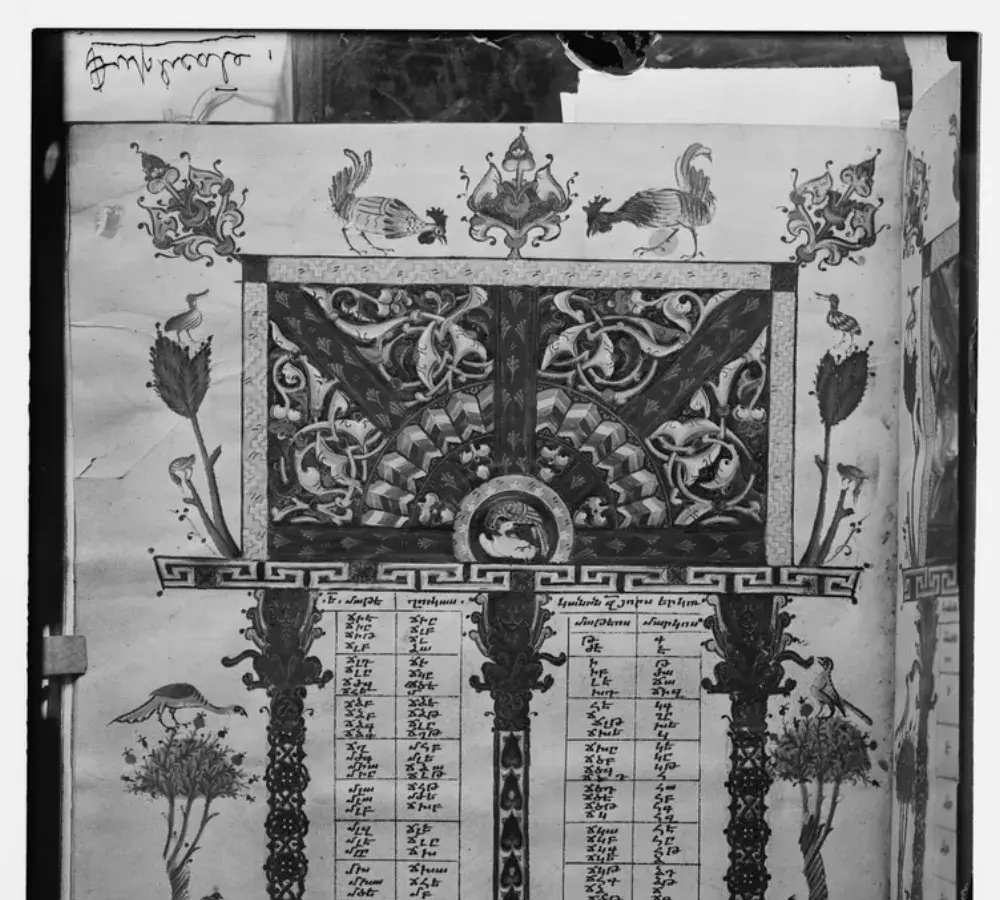
Alfabet Masztoca: 1600 lat nieprzerwanej tradycji pisma
Alfabet ormiański został stworzony w 405 r. n.e. przez Mesropa Masztoca, uczonego, który zaprojektował go po przestudiowaniu istniejących alfabetów regionu i doszedł do wniosku, że żaden z nich nie mógł dokładnie oddać ormiańskich dźwięków. Stworzył 36 oryginalnych liter, a trzy kolejne dodano w XII wieku, aby reprezentować dźwięki zapożyczone, co daje łącznie 39. Alfabet nie ma związku z greckim, syryjskim, aramejskim ani żadnym innym pismem, pomimo pewnych powierzchownych podobieństw wizualnych w niektórych formach liter. Ponieważ został stworzony specjalnie dla języka ormiańskiego, reprezentuje dźwięki języka z precyzją, której rzadko osiągają adaptowane skrypty.
Ludobójstwo Ormian w 1915 roku spowodowało przesiedlenie setek tysięcy ocalałych do społeczności diaspory w całym Bliskim Wschodzie, Francji, obu Amerykach i gdzie indziej. Społeczności te przechowywały dokumenty z epoki osmańskiej, arabskie akta administracyjne i dokumenty z okresu kolonialnego francuskiego, które późniejsze pokolenia potrzebują przetłumaczyć do celów dziedzictwa, prawnych i imigracyjnych. Diaspora zachodnioormiańska w Libanie w szczególności wydała pokolenia Ormian, których dokumenty urzędowe zostały wydane w języku arabskim przez libańskie władze, tworząc stałe zapotrzebowanie na tłumaczenie dokumentów ormiańsko-arabskich w obu kierunkach. Społeczność ormiańska w Los Angeles (największa poza Armenią) regularnie pracuje z dokumentami z Armenii, Libanu i Górskiego Karabachu wymagającymi tłumaczenia na angielski do celów prawnych i urzędowych w USA.
Dokumenty, które ludzie tłumaczą między angielskim a ormiańskim
Ormiańska diaspora w Stanach Zjednoczonych, Francji i Libanie, w połączeniu z ciągłą migracją z Republiki Armenii, tworzy zapotrzebowanie na tłumaczenie dokumentów w obu kierunkach. Najczęstsze typy dokumentów obejmują:
- Ormiańskie paszporty i krajowe dokumenty tożsamości składane do wniosków wizowych i imigracyjnych w USA, gdzie wymagane jest tłumaczenie uwierzytelnione zgodne z wymogami USCIS
- Akty urodzenia, akty małżeństwa i wyroki rozwodowe z Republiki Armenii, często potrzebne do wniosków imigracyjnych o połączenie małżeńskie lub rodzinne
- Dokumenty diaspory wydane w Libanie, Francji lub Argentynie, które same w sobie mogą być w języku arabskim lub francuskim i odnosić się do ormiańskich nazwisk, wymagające tłumaczenia z ormiańskiego na angielski lub z francuskiego na angielski z obsługą ormiańskich nazwisk
- Dokumenty własności i akty z Górskiego Karabachu z okresu przesiedleń, potrzebne do postępowań prawnych i humanitarnych
- Transkrypcje akademickie i dyplomy z Państwowego Uniwersytetu w Erywaniu i innych ormiańskich instytucji, składane do oceny kwalifikacji przez uniwersytety i pracodawców w USA
- Raporty medyczne i karty wypisów ze szpitali z ormiańskich szpitali, potrzebne, gdy pacjenci kontynuują leczenie za granicą lub składają wnioski do zagranicznych systemów opieki zdrowotnej
Tłumaczenie AI nadaje się do celów czytania, przeglądu i tworzenia wersji roboczych. Do oficjalnych dokumentów składanych do urzędów imigracyjnych w USA, sądów lub agencji rządowych wymagane jest uwierzytelnione tłumaczenie przez człowieka. Dokumenty przetłumaczone przez AI nie są akceptowane do składania wniosków do USCIS bez oświadczenia o certyfikacji od wykwalifikowanego tłumacza.
Cennik tłumaczenia PDF na ormiański
Zarejestruj się bezpłatnie, płać za dokument i ulepszaj w miarę rozwoju potrzeb w zakresie tłumaczeń.
Free
Nie jest wymagana karta do rejestracji
- Tłumaczenie AI za 0,005 $/słowo
- 1 USD za stronę dla skanów i plików PDF w formacie obrazu
- 108 języków
- Pliki do 20 MB i 20 stron
- DOCX, PDF, XLSX, PPTX, IDML, TXT, JPG, PNG i CSV
- Tylko 24-godzinne przechowywanie plików
- Edytor PDF i konwerter PDF do DOCX
Podstawowy
Najczęściej wybieranyFakturowanie co tydzień · anuluj w dowolnym momencie
Fakturowanie miesięczne
Fakturowanie raz w roku · oszczędność 33%
- miesięcznie w ramach tłumaczeń AI
- Następnie 0,005 $/słowo tłumaczenia AI
- Pliki do 100 MB i 300 stron
- DOCX, PDF, XLSX, PPTX, IDML, TXT, JPG, PNG i CSV
- OCR dla zeskanowanych dokumentów
- Przechowywanie dokumentów
- Priorytetowe wsparcie
- 7-dniowy bezpłatny okres próbny w planie miesięcznym
- Anuluj w dowolnym momencie
Pro
Fakturowanie miesięczne
Fakturowanie raz w roku · oszczędność 34%
- miesięcznie w ramach tłumaczeń AI
- Następnie 0,004 $/słowo tłumaczenia AI
- Pliki do 1 GB i 5000 stron
- DOCX, PDF, XLSX, PPTX, IDML, TXT, JPG, PNG i CSV
- Glosariusz
- Kolejka priorytetowa
- 5 miejsc w zespole
- Żądania API · 1000 stron miesięcznie
- Dostęp MCP do asystentów AI
- Anuluj w dowolnym momencie
Biznesowy
Fakturowanie miesięczne
Fakturowanie raz w roku · oszczędność 33%
- miesięcznie w ramach tłumaczeń AI
- Następnie 0,003 $/słowo tłumaczenia AI
- Pliki do 1 GB i 5000 stron
- DOCX, PDF, XLSX, PPTX, IDML, TXT, JPG, PNG i CSV
- Glosariusz
- Kolejka priorytetowa
- 15 miejsc w zespole
- Żądania API · 5000 stron miesięcznie
- Dostęp MCP do asystentów AI
- Anuluj w dowolnym momencie
Enterprise
Potrzebujesz większego wolumenu, faktury lub niestandardowej umowy? Porozmawiaj z nami o planie Enterprise.
Jak przetłumaczyć PDF na ormiański
Utwórz darmowe konto
Zarejestruj się za pomocą swojego adresu e-mail, aby uzyskać dostęp do panelu tłumaczeń online.
Prześlij swój plik PDF
Przeciągnij i upuść plik lub przeglądaj, aby go wybrać. Pliki do 1 GB są obsługiwane w planach Pro i Biznesowy.
Wybierz ormiański jako język docelowy
Wybierz oryginalny język swojego PDF i ustaw ormiański jako język docelowy. Wynik będzie zawierał pełny 39-literowy alfabet Masztoca poprawnie renderowany z odpowiednim kodowaniem Unicode.
Tłumacz i pobieraj
Kliknij „Przetłumacz” i poczekaj chwilę. Twój przetłumaczony PDF będzie gotowy do pobrania w języku ormiańskim z zachowaniem oryginalnego układu.
Najczęściej zadawane pytania dotyczące tłumaczenia PDF na ormiański
Czy ormiański alfabet będzie poprawnie renderowany w przetłumaczonym pliku PDF?
Tak. Ormiański alfabet składa się z 39 liter stworzonych przez Mesropa Masztoca w 405 r. n.e. Nie jest powiązany z żadnym innym systemem pisma. DocTranslator generuje wszystkie 39 liter przy użyciu poprawnych punktów kodowych Unicode i osadza niezbędne dane czcionki w pliku PDF, dzięki czemu pismo ormiańskie wyświetla się na każdym nowoczesnym urządzeniu bez konieczności instalowania dodatkowych czcionek. Oryginalne pliki PDF zaprojektowane dla czcionek łacińskich lub cyrylicy czasami nie mają osadzania czcionek potrzebnego dla języka ormiańskiego, co jest poprawiane w wyniku.
Jak ormiańska gramatyka wpływa na jakość tłumaczenia?
Ormiański jest językiem izolowanym w rodzinie indoeuropejskiej i stosuje szyk zdania podmiot-dopełnienie-orzeczenie, który jest odwrotnością angielskiego. Posiada siedem przypadków gramatycznych, brak rodzaju gramatycznego i dodaje rodzajnik określony jako sufiks do rzeczownika, zamiast używać osobnego słowa poprzedzającego. Te cechy oznaczają, że frazy rzeczownikowe, pozycje czasowników i umiejscowienie rodzajników muszą zostać przekształcone, a nie zastąpione słowo po słowie. Modele AI trenowane na tekstach ormiańskich poprawnie obsługują te wzorce dla większości typów dokumentów, generując wyniki, które brzmią naturalnie dla ormiańskich użytkowników.
Którego dialektu ormiańskiego używa DocTranslator - wschodniego czy zachodniego?
DocTranslator generuje głównie wschodnioormiański, który jest oficjalnym standardem Republiki Armenii i jest używany w dokumentach rządowych, instytucjach edukacyjnych i formalnej komunikacji pisemnej w Armenii. Zachodnioormiański, używany przez społeczności diaspory w Libanie, Francji, Stanach Zjednoczonych i Argentynie, różni się fonologią i niektórym słownictwem. Jeśli Twój dokument jest przeznaczony dla konkretnej społeczności diaspory i wymaga rejestru zachodnioormiańskiego, powinno to zostać przejrzane przez tłumacza ludzkiego zaznajomionego z dialektem zachodnim po wstępnym tłumaczeniu AI.
Jakie ormiańskie dokumenty są powszechnie tłumaczone na potrzeby imigracji do USA?
Najczęściej tłumaczone dokumenty to ormiańskie paszporty, akty urodzenia, akty małżeństwa i dyplomy akademickie z Państwowego Uniwersytetu w Erywaniu i innych ormiańskich instytucji. Wnioski imigracyjne do USA przez USCIS wymagają tłumaczenia uwierzytelnionego z podpisanym oświadczeniem o dokładności od wykwalifikowanego tłumacza. Tłumaczenie AI jest przydatne do zrozumienia treści dokumentu i przygotowania wersji roboczych, ale samo w sobie nie jest akceptowane jako tłumaczenie uwierzytelnione do składania wniosków do USCIS.
Jak duży plik PDF w języku ormiańskim mogę przetłumaczyć?
Do 1 GB lub 5000 stron w planach Pro i Business, 100 MB i 300 stron w Basic, oraz 20 MB i 20 stron w Free. Tłumaczenie krótkiej próbki na początek kosztuje od 0,99 USD i wystarcza do sprawdzenia, jak ormiański alfabet i formatowanie dokumentu są obsługiwane przed zatwierdzeniem tłumaczenia dłuższego pliku.
Czy mogę tłumaczyć z ormiańskiego na angielski, jak i z angielskiego na ormiański?
Tak. Para ormiańsko-angielska działa w obu kierunkach. Tłumaczenie pliku PDF z ormiańskiego na angielski jest powszechne wśród członków diaspory dzielących się dokumentami z amerykańskimi pracodawcami lub agencjami rządowymi, a także dla osób pracujących z ormiańskimi aktami własności, dokumentami sądowymi lub papierami dotyczącymi przesiedleń z Górskiego Karabachu, które muszą być zrozumiane przez anglojęzycznych profesjonalistów prawnych lub humanitarnych.
Jak obsługiwane są ormiańskie dokumenty diaspory, które pochodzą z języka arabskiego lub francuskiego?
Znaczna część ormiańskich dokumentów diaspory, zwłaszcza tych pochodzących od ormiańskich mieszkańców Libanu i społeczności przesiedlonych podczas i po ludobójstwie w 1915 r., została wydana przez administracje arabsko- lub francuskojęzyczne. Dokumenty te mogą zawierać ormiańskie nazwiska transliterowane na arabski lub francuski, z podstawowymi aktami stanu cywilnego w języku innym niż ormiański. DocTranslator może tłumaczyć takie dokumenty z arabskiego lub francuskiego na angielski lub ormiański. W przypadku dokumentów z mieszanymi skryptami lub gdzie ormiańskie nazwiska wymagają starannej retransliteracji, zaleca się przegląd przez tłumacza ludzkiego przed użyciem tłumaczenia do celów prawnych lub urzędowych.
Przetłumacz swój PDF na ormiański już dziś
DocTranslator konwertuje pliki PDF do języka ormiańskiego online, poprawnie renderując wszystkie 39 liter alfabetu Masztoca, zachowując układ dokumentu i obsługując pliki do 1 GB.
Narzędzia powiązane
Tłumacz PDF według języka
Typy dokumentów
Nasi partnerzy