Përkthe PDF në Amharik
Konvertoni PDF në Amharik me alfabetin e plotë Etiopik Fidel të paraqitur siç duhet. Secili nga 33 karakteret bazë ka 7 forma të renditjes së zanoreve, duke prodhuar 231 rrokje bazë plus karaktere shtesë që arrijnë në 345 ose më shumë. Paraqitja dhe formatimi ruhen. Skedarë deri në 1 GB.
Ngarkoni ose hidhni dokumentin për të përkthyer
Madhësia maksimale e skedarit 1 GB
- OCR për skanime dhe fotografi
- 108 gjuhë
- Paraqitja origjinale ruhet
Çfarë ndodh kur përktheni një PDF në Amharik
Amharikja shkruhet me shkrimin Etiopik, i quajtur gjithashtu Ge'ez ose Fidel. Ndryshe nga një alfabet, ku çdo karakter përfaqëson një bashkëtingëllore ose zanore të vetme, Fidel është një abugida: çdo karakter përfaqëson një rrokje bashkëtingëllore-zanore. Ekzistojnë 33 forma bazë bashkëtingëllore, dhe secila prej tyre ka 7 variacione të renditjes së zanoreve të quajtura "vende", duke prodhuar 231 karaktere rrokje bazë. Përtej atyre, Amharikja përdor gjithashtu forma bashkëtingëllore të labializuara, numra, shenja pikësimi dhe karaktere shtesë për tingujt e huazuar, duke sjellë totalin në 345 ose më shumë glife të dallueshme. Për çdo sistem përkthimi PDF, kjo do të thotë se fonti i zgjedhur për rezultatin Amharik duhet të mbulojë të gjitha pikat e kodit Unicode të kërkuara në bllokun Etiopik (U+1200 në U+137F dhe zgjerime), dhe motori i paraqitjes duhet t'i vendosë këto karaktere siç duhet pa zëvendësuar glifet e munguar me kuti ose shenja pyetjeje. DocTranslator trajton përfshirjen e fontit Etiopik në PDF-në e rezultuar në mënyrë që çdo karakter rrokje të shfaqet siç duhet në çdo pajisje.
Amharikja i përket familjes së gjuhëve Semitike, duke e vendosur atë në të njëjtin grup gjuhësor të gjerë si arabishtja dhe hebraishtja. Megjithatë, një nga dallimet më të rëndësishme praktike për paraqitjen e PDF-së është se Amharikja shkruhet nga e majta në të djathtë. Arabishtja dhe hebraishtja shkruhen nga e djathta në të majtë, dhe kërkesat e tyre për tekst dypalësh imponojnë një grup specifik sfidash formatimi. Amharikja i shmanget këtyre sfidave sepse shkrimi Etiopik rrjedh në të njëjtin drejtim si teksti latin. Kjo do të thotë se një PDF Amharik i përkthyer nuk kërkon pasqyrim të kolonave, kthim të rendit të tabelave, ose përfshirje teksti dypalësh. Struktura e kolonave, vendosja e titullit dhe drejtimi i leximit të PDF-së origjinale angleze mund të ruhen në rezultatin Amharik pa rishkrim. Fjalët Amharike kanë tendencë të jenë më të gjata se ekuivalentët anglezë për shkak të morfologjisë së foljes, kështu që ndarjet e rreshtave dhe gjerësitë e kuti-tekstit mund të zgjerohen në versionin e përkthyer, por vetë drejtimi nuk është një faktor komplikues.
Amharic ka rreth 35 milionë folës amtare dhe mbi 90 milionë folës gjithsej kur përfshihen përdoruesit e gjuhës së dytë. Është gjuha zyrtare e punës e Republikës së Unionit Etiopian, vendi i dytë më i populluar në Afrikë. Gjuha përdoret në qeverinë federale, gjykatat, mediat kombëtare dhe arsimin. Etiopia nuk ka një gjuhë tjetër zyrtare federale, gjë që e bën Amharishten standardin administrativ dhe dokumentar de facto në një vend me mbi 120 milionë njerëz. Komunitetet e mëdha të diasporës etiopiane në Uashington DC, Minneapolis, Seattle dhe qytete të tjera të Amerikës së Veriut, si dhe në Izrael, Suedi dhe shtetet e Gjirit, gjenerojnë kërkesë të vazhdueshme për përkthimin e dokumenteve zyrtare etiopiane në anglisht dhe për përkthimin e formularëve të emigracionit dhe qeveritarësh në Amharisht për anëtarët e familjes që ende ndodhen në Etiopi.
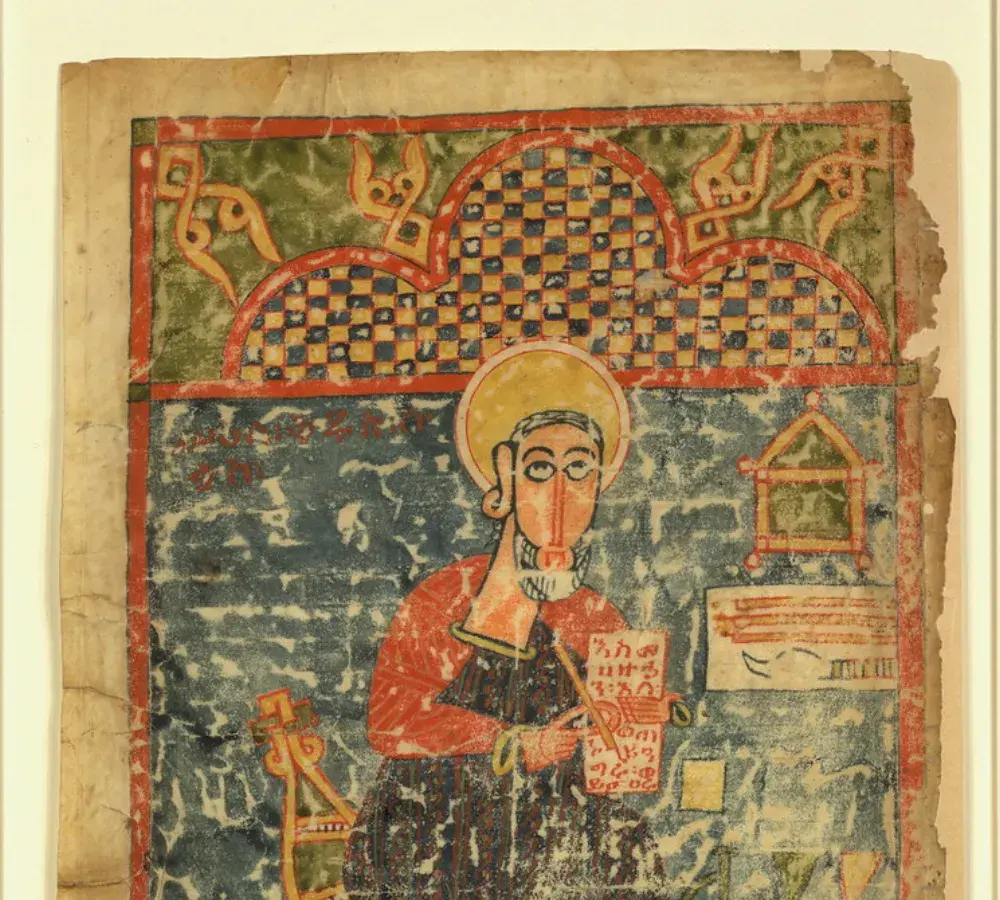
Shkrimi Ge'ez dhe pse është ndër më kompleksët në përkthimin e PDF-ve
Shkrimi Ge'ez i përdorur për Amharishten është një nga sistemet më të vjetra të shkrimit në botë që përdoret vazhdimisht. Është përdorur dokumentarisht për mbi 2,000 vjet, fillimisht për gjuhën liturgjike Ge'ez të Kishës Ortodokse Etiopiane dhe më vonë për Amharishten, Tigrinya dhe gjuhët e tjera etiopike. Kanoni i Kishës Ortodokse Etiopiane përfshin libra që nuk gjenden në Biblat Katolike, Protestante ose Ortodokse Lindore, dhe këto tekste u ruajtën në dorëshkrimet Ge'ez. Tradita e vazhdueshme letrare do të thotë se ortografia moderne Amharike është stabile dhe e standardizuar, gjë që ndihmon modelet e përkthimit të prodhojnë rezultate konsistente.
Nga një këndvështrim teknik, blloku Etiopik në Unicode është i madh dhe i përcaktuar mirë, por shumë shkronja të sistemit dhe shikuesit PDF përfshijnë vetëm mbulim të pjesshëm të tij. Një PDF i gjeneruar pa ngulitje të qëllimshme të shkronjave Etiopike do të shfaqet siç duhet në një sistem që ka instaluar Noto Sans Ethiopic ose një shkronjë të ngjashme, por do të tregojë kuti bosh në sistemet pa atë shkronjë. Kur DocTranslator prodhon një PDF të përkthyer në Amharisht, ai ngulit karakteret Etiopike të kërkuara në mënyrë që rezultati të jetë i vetë-përmbajtur dhe portativ. Natyra rrokëse e shkrimit gjithashtu do të thotë se numri i karaktereve në një PDF Amharik është dukshëm më i ulët se versioni ekuivalent Anglisht, edhe pse dendësia e informacionit është e ngjashme. Kjo mund të mashtrojë mjetet e numërimit të fjalëve që nuk janë kalibruar për shkronja rrokëse.
Dokumentet që njerëzit përkthejnë midis Anglishtes dhe Amharishtes
Diaspora Etiopiane në Amerikën e Veriut dhe Evropë, së bashku me rrjedhën e vazhdueshme të refugjatëve të përpunuar nga UNHCR dhe aplikantëve për emigracion nga Etiopia, krijon kërkesë të lartë dhe të qëndrueshme për përkthimin e dokumenteve Amharike në të dy drejtimet. Llojet më të zakonshme të dokumenteve përfshijnë:
- Dokumentet kombëtare të identitetit Etiopian (Kebele ID) dhe pasaportat për aplikime emigracioni, azili dhe vizash në Shtetet e Bashkuara, Kanada dhe vendet e BE-së
- Dokumentet e regjistrimit të refugjatëve të UNHCR dhe letrat e vendosjes për refugjatët Etiopianë që aplikojnë për hyrje përmes Programit të Amërikës së Veriut për Pranimin e Refugjatëve
- Certifikatat e lindjes dhe dokumentet e statusit familjar të lëshuara nga autoritetet etiopiane të regjistrimit civil për përdorim në procedurat e emigracionit në SHBA, duke përfshirë peticionet familjare të paraqitura pranë USCIS
- Transkriptet akademike dhe diplomat nga Universiteti i Addis Ababa dhe institucionet e tjera Etiopiane për vlerësimin e kualifikimeve nga agjencitë anëtare të NACES në SHBA dhe ENIC-NARIC në Evropë
- Dokumentet e gjykatave Etiopiane, duke përfshirë urdhrat e kujdestarisë dhe vendimet e trashëgimisë, të nevojshme nga anëtarët e diasporës që menaxhojnë çështje ligjore ndërkufitare
- Regjistrimet mjekësore nga spitalet Etiopiane për pacientët që janë vendosur në SHBA ose Evropë dhe po regjistrohen pranë ofruesve të rinj të kujdesit shëndetësor
- Formularët dhe njoftimet e qeverisë së SHBA-së të përkthyera në Amharisht për anëtarët e komunitetit të diasporës në Uashington DC, Minneapolis dhe Seattle, të cilët kanë aftësi të kufizuara në anglisht
Përkthimi me AI përshtatet mirë për të kuptuar përmbajtjen e një dokumenti Amharik, përgatitur një draft pune, ose përkthyer materiale informative në Amharisht për komunikim me komunitetin. Paraqitjet zyrtare pranë USCIS, gjykatave të emigracionit, ose agjencive federale kërkojnë një përkthim të çertifikuar që plotëson kërkesat e vërtetimit të plotësisë dhe saktësisë të vendosura nga rregulloret federale të emigracionit. Një përkthyes i çertifikuar i njohur me kërkesat e Amharishtes dhe shkrimit Etiopik duhet të nënshkruajë vërtetimin. Për më shumë rreth asaj që kërkon USCIS, shihni faqen shërbimet e përkthimit të USCIS.
Çmimet e përkthimit të PDF-ve nga Anglishtja në Amharisht
Regjistrohuni falas, paguani për dokument, dhe përmirësoni sipas nevojave tuaja të përkthimit.
Free
Nuk nevojitet kartë për t'u regjistruar
- 0.005 dollarë/fjalë përkthim AI
- 1 dollar për faqe për skanime dhe PDF imazhi
- 108 gjuhë
- Skedarë deri në 20 MB dhe 20 faqe
- DOCX, PDF, XLSX, PPTX, IDML, TXT, JPG, PNG dhe CSV
- Vetëm ruajtje skedari 24-orëshe
- Redaktues PDF dhe konvertues PDF në DOCX
Bazik
Më popullorFaturuar çdo javë · anulloni në çdo kohë
Faturuar mujore
Faturuar një herë në vit · kurseni 33%
- përkthim AI përfshirë çdo muaj
- Pastaj 0.005 $/fjalë përkthim AI
- Dosje deri në 100 MB dhe 300 faqe
- DOCX, PDF, XLSX, PPTX, IDML, TXT, JPG, PNG dhe CSV
- OCR për dokumente të skanuara
- Ruajtje dokumentesh
- Mbështetje prioritare
- 7 ditë provë falas në planin mujor
- Anuloni në çdo kohë
Pro
Faturuar mujore
Faturuar një herë në vit · kurseni 34%
- përkthim AI përfshirë çdo muaj
- Pastaj 0.004 $/fjalë përkthim AI
- Dosje deri në 1 GB dhe 5,000 faqe
- DOCX, PDF, XLSX, PPTX, IDML, TXT, JPG, PNG dhe CSV
- Fjalor
- Cuesorë prioritarë
- 5 vende ekipore
- Kërkesa API · 1,000 faqe në muaj
- Qasje MCP për asistentë AI
- Anuloni në çdo kohë
Biznes
Faturuar mujore
Faturuar një herë në vit · kurseni 33%
- përkthim AI përfshirë çdo muaj
- Pastaj 0.003 $/fjalë përkthim AI
- Dosje deri në 1 GB dhe 5,000 faqe
- DOCX, PDF, XLSX, PPTX, IDML, TXT, JPG, PNG dhe CSV
- Fjalor
- Cuesorë prioritarë
- 15 vende ekipore
- Kërkesa API · 5,000 faqe në muaj
- Qasje MCP për asistentë AI
- Anuloni në çdo kohë
Ndërmarrje
Nevojitet më shumë volum, faturim ose një marrëveshje me porosi? Folni me ne për një plan Enterprise.
Si ta përktheni PDF-në tuaj në Amharisht
Krijo një llogari falas
Regjistrohuni me emailin tuaj për të hyrë në panelin e përkthimit në internet.
Ngarkoni skedarin tuaj PDF
Zvarritni dhe lëshoni skedarin tuaj ose shfletoni për ta zgjedhur atë. Skedarët deri në 1 GB mbështeten në planet Pro dhe Business.
Zgjidhni Amharishten si gjuhë target
Zgjidhni gjuhën burimore të PDF-së tuaj dhe vendoseni Amharishten si target. Rezultati do të përdorë rrokësinë Etiopike Fidel me të gjitha format e urdhërit të vokalit të kërkuar të ngulitura në shkronjën e PDF-së.
Përkthe dhe shkarko
Klikoni "Përkthe" dhe prisni disa momente. PDF-ja juaj e përkthyer do të jetë gati për shkarkim në Amharisht me pamjen origjinale të ruajtur dhe karakteret Etiopike të dhëna saktë.
Eksploro më shumë shërbime përkthimi dokumentesh
Pyetjet e shpeshta rreth përkthimit të PDF-ve nga Anglishtja në Amharisht
A do të paraqiten siç duhet karakteret Ethiopic Fidel në PDF-në e përkthyer?
Po. Alfabeti Etiopik i përdorur për amharik ka 33 forma bazë bashkëtingëllore, secila me 7 rende zanore, duke prodhuar 231 karaktere rrokëse kryesore, plus forma shtesë labializuara dhe të zgjeruara që arrijnë në 345 ose më shumë glife të dallueshme. DocTranslator përfshin karakteret e nevojshme Unicode Etiopike drejtpërdrejt në PDF-në e daljes në mënyrë që ato të shfaqen siç duhet në çdo pajisje, pavarësisht nëse marrësi ka instaluar një font Etiopik në sistemin e tij.
A shkruhet amharikja nga e djathta në të majtë si arabishtja dhe hebraishtja?
Jo. Edhe pse amharikja i përket familjes së gjuhëve semitike së bashku me arabishten dhe hebraishten, alfabeti Etiopik lexohet nga e majta në të djathtë. Kjo do të thotë se PDF-të e përkthyera në amharik nuk kërkojnë pasqyrim të kolonave, përfshirje teksti dykahësh, ose kthim të qelizave të tabelave. Drejtimi i leximit nga e majta në të djathtë ruhet nga paraqitja origjinale angleze, gjë që e thjeshton ndjeshëm formatimin e dokumentit të përkthyer krahasuar me përkthimet në arabisht ose hebraisht.
Si ndikon morfologjia e foljeve amhare në gjatësinë e një PDF-je të përkthyer?
Foljet amhare mbartin një sasi të madhe informacioni gramatikor, duke përfshirë marrëveshjen e subjektit, kohën, aspektin, mohimin dhe ndonjëherë shënimin e objektit, të gjitha të koduara brenda një forme të vetme fjale. Kjo dendësi morfologjike do të thotë se një folje e vetme amhare mund të korrespondojë me disa fjalë angleze. PDF-ja e përkthyer do të ketë më shumë tekst për fjali në disa pasazhe. Kutitë e tekstit në paraqitjen origjinale mund të kenë nevojë të zgjerohen lehtësisht për të akomoduar daljen amhare, veçanërisht në tabela dhe fusha formularësh.
Cilët dokumente etiopianë përkthehen më shpesh për qëllime imigrimi në SHBA?
Dokumentet më të përkthyera për emigrantët dhe refugjatët Etiopianë janë karta e identitetit Kebele, pasaporta Etiopiane, certifikata e lindjes, certifikata e martesës dhe letra e regjistrimit ose vendosjes së refugjatëve të UNHCR. Këto përdoren në aplikime pranë USCIS për peticione familjare, kërkesa azili dhe pranim refugjatësh. Për të gjitha paraqitjet zyrtare pranë USCIS ose gjykatave të emigracionit, kërkohet një përkthim i çertifikuar me një vërtetim të nënshkruar të plotësisë dhe saktësisë, jo një draft i gjeneruar nga AI.
A mund ta përkthej tekstin amharik që është skanuar nga një dokument i shtypur?
PDF-të amharike të skanuara kërkojnë njohjen optike të karaktereve (OCR) të kalibruar për shkrimin etiopik para se të mund të ndodhë përkthimi. Makineritë standarde OCR të optimizuara për shkrimet latine, cirilike ose CJK mund të mos i njohin në mënyrë të besueshme karaktere rrokorë etiopikë. DocTranslator përpunon dokumentet e skanuara përmes OCR para përkthimit. Saktësia e rezultateve të OCR varet nga cilësia dhe rezolucioni i skanimit origjinal. Teksti amharik i shtypur qartë në 300 DPI ose më lartë jep rezultatet më të mira.
Cili është ndryshimi midis amharishtes dhe Ge'ez, dhe a ndikon kjo në përkthim?
Ge'ez është gjuha e lashtë semite e Kishës Ortodokse Etiopiane dhe paraardhësi i gjuhëve moderne etiopike, duke përfshirë amharishten dhe tigrinishten. Tani është një gjuhë liturgjike, jo e folur, e krahasueshme me latinishten në traditën katolike. Ge'ez përdor të njëjtin shkrim etiopik si amharishtja, por ka fjalor, gramatikë dhe morfologji të ndryshme. Nëse një PDF përmban tekst liturgjik Ge'ez në vend të prozës moderne amhare, modelet standarde të përkthimit amharik nuk do të japin rezultate të sakta. DocTranslator është projektuar për amharishten moderne të shkruar.
Sa i madh mund të jetë një PDF amharik që mund ta përkthej?
Deri në 1 GB ose 5,000 faqe në Pro dhe Business, 100 MB dhe 300 faqe në Basic, dhe 20 MB dhe 20 faqe në Free. Përkthimi fillimisht i një prove të shkurtër kushton nga 0.99 dollarë dhe është i mjaftueshëm për të verifikuar se karakteret Etiopike Fidel paraqiten siç duhet dhe se dizajni i llojit tuaj specifik të dokumentit ruhet përpara se të angazhoheni për një punë më të madhe përkthimi.
Përktheni PDF-në tuaj në Amharisht sot
DocTranslator konverton PDF-të në Amharisht online, duke dhënë saktë të gjitha 345+ karakteret rrokëse Etiopike Fidel, duke ruajtur pamjen e dokumentit tuaj dhe duke mbështetur skedarë deri në 1 GB.
Vegla të Lidhur
Përkthe PDF sipas Gjuhës
Llojet e dokumenteve
Partnerët Tanë