
ترجمة PDF إلى الأمهرية
حوّل ملفات PDF إلى الأمهرية مع عرض الأبجدية الإثيوبية الكاملة بشكل صحيح. كل حرف من الأحرف الأساسية الـ 33 له 7 أشكال مرتبة حسب الحروف المتحركة، مما ينتج عنه 231 مقطعًا أساسيًا بالإضافة إلى أحرف إضافية يصل مجموعها إلى 345 أو أكثر. يتم الحفاظ على التخطيط والتنسيق. ملفات تصل إلى 1 جيجابايت.
قم بتحميل أو إسقاط المستند للترجمة
الحد الأقصى لحجم الملف 1 GB
- التعرف الضوئي على الحروف للمسح الضوئي والصور
- 108 لغة
- الحفاظ على التخطيط الأصلي
ماذا يحدث عند ترجمة ملف PDF إلى الأمهرية
تُكتب اللغة الأمهرية بالأبجدية الإثيوبية، وتسمى أيضًا Ge'ez أو Fidel. على عكس الأبجدية، حيث يمثل كل حرف حرفًا ساكنًا أو متحركًا واحدًا، فإن Fidel هو أبوجيدا: يمثل كل حرف مقطعًا ساكنًا-متحركًا. هناك 33 شكلًا ساكنًا أساسيًا، ولكل منها 7 اختلافات في ترتيب الحروف المتحركة تسمى "الترتيبات"، مما ينتج عنه 231 حرفًا مقطعيًا أساسيًا. بالإضافة إلى ذلك، تستخدم الأمهرية أيضًا أشكالًا ساكنة شفوية، وأرقامًا، وعلامات ترقيم، وأحرفًا إضافية لأصوات الكلمات المستعارة، مما يجعل العدد الإجمالي 345 رمزًا مميزًا أو أكثر. بالنسبة لأي نظام ترجمة PDF، هذا يعني أن الخط المحدد للإخراج الأمهرية يجب أن يغطي جميع نقاط رمز Unicode المطلوبة في كتلة الإثيوبية (U+1200 إلى U+137F والإضافات)، ويجب أن يقوم محرك العرض بوضع هذه الأحرف بشكل صحيح دون استبدال الأحرف المفقودة بصناديق أو علامات استفهام. يتعامل DocTranslator مع تضمين الخط الإثيوبي في ملف PDF الناتج بحيث يتم عرض كل حرف مقطعي كما هو مقصود على أي جهاز.
تنتمي اللغة الأمهرية إلى عائلة اللغات السامية، مما يضعها في نفس المجموعة اللغوية الواسعة مثل العربية والعبرية. ومع ذلك، فإن أحد أهم الاختلافات العملية لتخطيط PDF هو أن الأمهرية تُكتب من اليسار إلى اليمين. العربية والعبرية تُكتبان من اليمين إلى اليسار، ومتطلبات النص ثنائي الاتجاه تفرض مجموعة محددة من تحديات التنسيق. تتجنب الأمهرية هذه التحديات لأن الأبجدية الإثيوبية تسير في نفس اتجاه النص اللاتيني. هذا يعني أن ملف PDF الأمهرية المترجم لا يتطلب عكس الأعمدة، أو عكس ترتيب خلايا الجدول، أو تضمين النص ثنائي الاتجاه. يمكن الحفاظ على بنية العمود، وموضع الرأس، واتجاه قراءة ملف PDF الإنجليزي الأصلي في الإخراج الأمهرية دون إعادة تدفق. تميل الكلمات الأمهرية إلى أن تكون أطول من نظيراتها الإنجليزية بسبب صرف الأفعال، لذلك قد تتوسع فواصل الأسطر وعروض مربعات النص في النسخة المترجمة، ولكن الاتجاه بحد ذاته ليس عاملاً معقدًا.
يحتوي لغة الأمهرية على حوالي 35 مليون متحدث أصلي وأكثر من 90 مليون متحدث إجمالي عند تضمين مستخدمي اللغة الثانية. إنها لغة العمل الرسمية لجمهورية إثيوبيا الفيدرالية الديمقراطية، ثاني أكبر دولة في إفريقيا من حيث عدد السكان. تُستخدم اللغة في الحكومة الفيدرالية والمحاكم ووسائل الإعلام الوطنية والتعليم. لا توجد في إثيوبيا لغة فيدرالية رسمية واحدة أخرى، مما يجعل اللغة الأمهرية المعيار الإداري والوثائقي الفعلي عبر بلد يضم أكثر من 120 مليون نسمة. تولد مجتمعات الشتات الإثيوبي الكبيرة في واشنطن العاصمة ومينيابوليس وسياتل ومدن أخرى في أمريكا الشمالية، وكذلك في إسرائيل والسويد ودول الخليج، طلبًا مستمرًا على ترجمة الوثائق الإثيوبية الرسمية إلى اللغة الإنجليزية وترجمة نماذج الهجرة والحكومة مرة أخرى إلى اللغة الأمهرية لأفراد العائلة الذين ما زالوا في إثيوبيا.
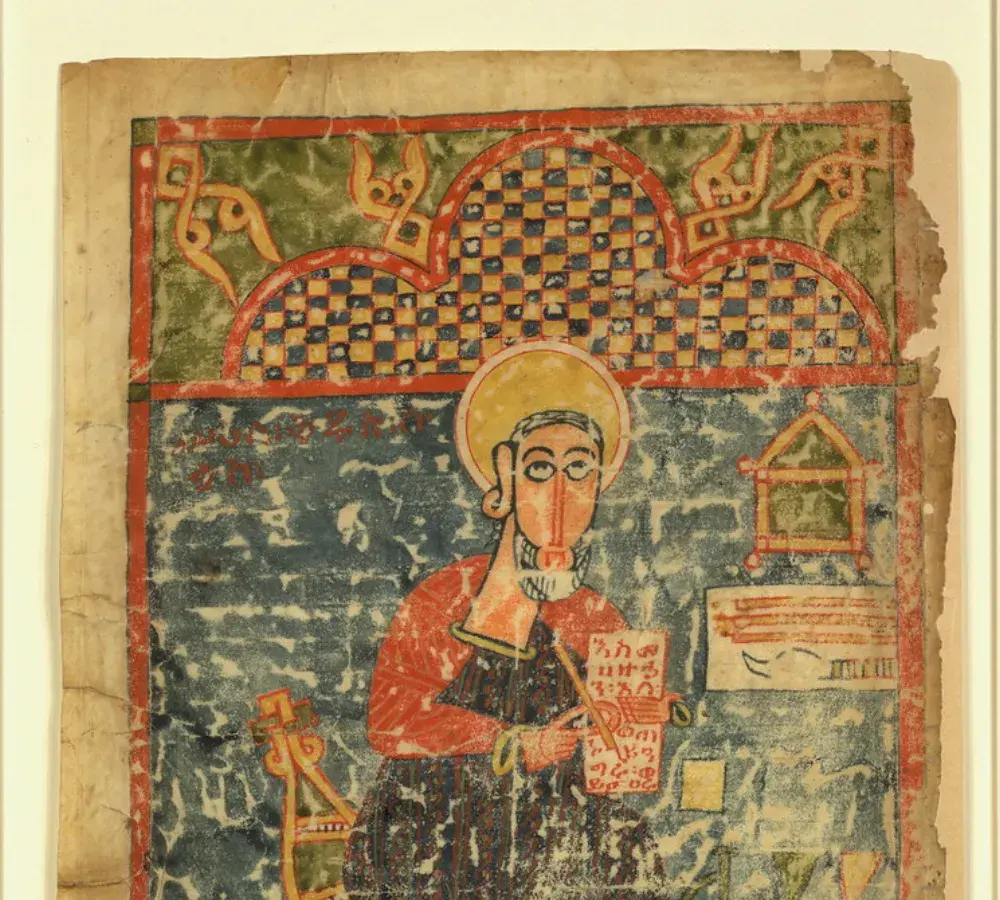
الخط الإثيوبي وسبب كونه من أعقد الخطوط في ترجمة PDF
الخط الجعزي المستخدم للغة الأمهرية هو أحد أقدم أنظمة الكتابة المستخدمة باستمرار في العالم. لقد تم استخدامه بشكل موثق لأكثر من 2000 عام، أولاً للغة الجعزية الليتورجية للكنيسة الأرثوذكسية الإثيوبية ولاحقًا للغة الأمهرية والتغرينية ولغات إثيوبية أخرى. يتضمن قانون الكنيسة الأرثوذكسية الإثيوبية كتبًا غير موجودة في الأناجيل الكاثوليكية أو البروتستانتية أو الأرثوذكسية الشرقية، وتم الحفاظ على هذه النصوص في مخطوطات الجعزية. يعني التقليد الأدبي المستمر أن الهجاء الأمهرية الحديث مستقر وموحد، مما يساعد نماذج الترجمة على إنتاج مخرجات متسقة.
من الناحية الفنية، فإن كتلة الإثيوبية في يونيكود كبيرة ومحددة جيدًا، ولكن العديد من الخطوط الافتراضية للنظام وعارضات PDF تتضمن تغطية جزئية لها فقط. سيتم عرض ملف PDF تم إنشاؤه بدون تضمين خط إثيوبي متعمد بشكل صحيح على نظام يحتوي على خط Noto Sans Ethiopic أو خط مشابه مثبت، ولكنه سيظهر مربعات فارغة على الأنظمة التي لا تحتوي على هذا الخط. عندما ينتج DocTranslator ملف PDF مترجم باللغة الأمهرية، فإنه يضمن تضمين الأحرف الإثيوبية المطلوبة بحيث يكون الإخراج مكتفٍ ذاتيًا وقابلًا للنقل. تعني الطبيعة المقطعية للخط أيضًا أن عدد الأحرف في ملف PDF باللغة الأمهرية أقل بكثير من النسخة الإنجليزية المكافئة، على الرغم من أن كثافة المعلومات متشابهة. هذا يمكن أن يضلل أدوات عد الكلمات التي لم يتم معايرتها للخطوط المقطعية.
الوثائق التي يترجمها الأشخاص بين الإنجليزية والأمهرية
يخلق الشتات الإثيوبي في أمريكا الشمالية وأوروبا، جنبًا إلى جنب مع التدفق المستمر للاجئين ومعالجي المفوضية السامية للأمم المتحدة لشؤون اللاجئين ومقدمي طلبات الهجرة من إثيوبيا، طلبًا مرتفعًا ومستمرًا على ترجمة الوثائق الأمهرية في كلا الاتجاهين. تشمل أنواع المستندات الأكثر شيوعًا:
- وثائق الهوية الوطنية الإثيوبية (بطاقة كيبل) وجوازات السفر لطلبات الهجرة واللجوء والتأشيرات في الولايات المتحدة وكندا ودول الاتحاد الأوروبي
- وثائق تسجيل اللاجئين وخطابات إعادة التوطين الصادرة عن المفوضية السامية للأمم المتحدة لشؤون اللاجئين للاجئين الإثيوبيين الذين يتقدمون للحصول على دخول عبر برنامج قبول اللاجئين الأمريكي
- شهادات الميلاد ووثائق الحالة العائلية الصادرة عن سلطات تسجيل السكان الإثيوبية للاستخدام في إجراءات الهجرة الأمريكية، بما في ذلك الالتماسات العائلية المقدمة إلى USCIS
- السجلات الأكاديمية والشهادات من جامعة أديس أبابا والمؤسسات الإثيوبية الأخرى لتقييم المؤهلات من قبل الوكالات الأعضاء في NACES في الولايات المتحدة و ENIC-NARIC في أوروبا
- وثائق المحاكم الإثيوبية، بما في ذلك أوامر الحضانة وأحكام الميراث، المطلوبة من أعضاء الشتات الذين يديرون شؤونًا قانونية عبر الحدود
- السجلات الطبية من المستشفيات الإثيوبية للمرضى الذين أعيد توطينهم في الولايات المتحدة أو أوروبا ويقومون بالتسجيل لدى مقدمي الرعاية الصحية الجدد
- نماذج وإشعارات الحكومة الأمريكية مترجمة إلى اللغة الأمهرية لأعضاء مجتمع الشتات في واشنطن العاصمة ومينيابوليس وسياتل الذين لديهم إتقان محدود للغة الإنجليزية
تعتبر الترجمة بالذكاء الاصطناعي مناسبة جدًا لفهم محتوى وثيقة باللغة الأمهرية، أو إعداد مسودة عمل، أو ترجمة مواد إعلامية إلى اللغة الأمهرية للتواصل المجتمعي. تتطلب التقديمات الرسمية إلى USCIS أو محاكم الهجرة أو الوكالات الفيدرالية ترجمة معتمدة تلبي متطلبات إقرار الاكتمال والدقة التي تحددها لوائح الهجرة الفيدرالية. يجب على مترجم معتمد على دراية بالمتطلبات الأمهرية والإثيوبية للخط توقيع الإقرار. لمزيد من المعلومات حول ما تتطلبه USCIS، راجع صفحة خدمات الترجمة من USCIS.
أسعار ترجمة PDF من الإنجليزية إلى الأمهرية
اشترك مجانًا، وادفع لكل مستند، وقم بالترقية مع نمو احتياجات الترجمة الخاصة بك.
Free
لا حاجة لبطاقة للتسجيل
- ترجمة آلية بسعر 0.005 دولار/كلمة
- دولار واحد لكل صفحة للملفات الممسوحة ضوئيًا وملفات PDF المصورة
- 108 لغة
- ملفات تصل إلى 20 ميجابايت و 20 صفحة
- DOCX، PDF، XLSX، PPTX، IDML، TXT، JPG، PNG و CSV
- تخزين الملفات لمدة 24 ساعة فقط
- محرر PDF ومحول PDF إلى DOCX
أساسي
الأكثر شيوعًايتم الدفع أسبوعيًا · إلغاء في أي وقت
يتم الدفع شهريًا
يتم الدفع مرة واحدة سنويًا · وفر 33%
- ترجمة آلية مضمنة كل شهر
- ثم 0.005 دولار أمريكي/كلمة ترجمة آلية
- ملفات تصل إلى 100 ميجابايت و 300 صفحة
- DOCX، PDF، XLSX، PPTX، IDML، TXT، JPG، PNG و CSV
- التعرف الضوئي على الحروف للمستندات الممسوحة ضوئيًا
- تخزين المستندات
- دعم ذو أولوية
- فترة تجريبية مجانية لمدة 7 أيام للخطة الشهرية
- الإلغاء في أي وقت
Pro
يتم الدفع شهريًا
يتم الدفع مرة واحدة سنويًا · وفر 34%
- ترجمة آلية مضمنة كل شهر
- ثم 0.004 دولار أمريكي/كلمة ترجمة آلية
- ملفات تصل إلى 1 جيجابايت و 5000 صفحة
- DOCX، PDF، XLSX، PPTX، IDML، TXT، JPG، PNG و CSV
- مسرد المصطلحات
- طابور الأولوية
- 5 مقاعد للفريق
- طلبات API · 1000 صفحة شهريًا
- وصول MCP للمساعدين الآليين
- الإلغاء في أي وقت
أعمال
يتم الدفع شهريًا
يتم الدفع مرة واحدة سنويًا · وفر 33%
- ترجمة آلية مضمنة كل شهر
- ثم 0.003 دولار أمريكي/كلمة ترجمة آلية
- ملفات تصل إلى 1 جيجابايت و 5000 صفحة
- DOCX، PDF، XLSX، PPTX، IDML، TXT، JPG، PNG و CSV
- مسرد المصطلحات
- طابور الأولوية
- 15 مقعدًا للفريق
- طلبات API · 5000 صفحة شهريًا
- وصول MCP للمساعدين الآليين
- الإلغاء في أي وقت
المؤسسات
هل تحتاج إلى حجم أكبر أو فوترة أو اتفاقية مخصصة؟ تحدث معنا بشأن خطة Enterprise.
كيفية ترجمة ملف PDF الخاص بك إلى الأمهرية
إنشاء حساب مجاني
سجل ببريدك الإلكتروني للوصول إلى لوحة تحكم الترجمة عبر الإنترنت.
تحميل ملف PDF الخاص بك
اسحب وأفلت ملفك أو تصفح لاختياره. الخطط Pro و Business تدعم الملفات التي تصل إلى 1 جيجابايت.
اختر الأمهرية كلغة مستهدفة
حدد اللغة المصدر لملف PDF الخاص بك واضبط الأمهرية كلغة مستهدفة. سيستخدم الإخراج الأبجدية الإثيوبية فيدل مع تضمين جميع أشكال ترتيب الحروف المتحركة المطلوبة في خط PDF.
ترجمة وتنزيل
انقر فوق "ترجمة" وانتظر بضع لحظات. سيكون ملف PDF المترجم الخاص بك جاهزًا للتنزيل باللغة الأمهرية مع الحفاظ على التخطيط الأصلي وعرض الأحرف الإثيوبية بشكل صحيح.
الأسئلة الشائعة حول ترجمة PDF من الإنجليزية إلى الأمهرية
هل ستظهر أحرف فيدل الإثيوبية بشكل صحيح في ملف PDF المترجم؟
نعم. يحتوي نص فيدل المستخدم للأمهرية على 33 شكلًا أساسيًا للحروف الساكنة مع 7 ترتيبات للحروف المتحركة، مما ينتج عنه 231 حرفًا مقطعيًا أساسيًا، بالإضافة إلى أشكال شفوية وموسعة إضافية يصل مجموعها إلى 345 رمزًا أو أكثر. يقوم DocTranslator بتضمين أحرف Unicode الإثيوبية المطلوبة مباشرة في ملف PDF الناتج حتى تظهر بشكل صحيح على أي جهاز، بغض النظر عما إذا كان المستلم لديه خط إثيوبي مثبت على نظامه.
هل تُكتب اللغة الأمهرية من اليمين إلى اليسار مثل العربية والعبرية؟
لا. على الرغم من أن الأمهرية تنتمي إلى عائلة اللغات السامية جنبًا إلى جنب مع العربية والعبرية، إلا أن نص فيدل يمتد من اليسار إلى اليمين. هذا يعني أن ملفات PDF المترجمة بالأمهرية لا تتطلب عكس الأعمدة، أو تضمين النص ثنائي الاتجاه، أو عكس خلايا الجدول. يتم الحفاظ على اتجاه القراءة من اليسار إلى اليمين من تخطيط اللغة الإنجليزية الأصلي، مما يبسط تنسيق المستند المترجم بشكل كبير مقارنة بالترجمات العربية أو العبرية.
كيف يؤثر تصريف الأفعال الأمهرية على طول ملف PDF المترجم؟
تحمل الأفعال الأمهرية كمية كبيرة من المعلومات النحوية، بما في ذلك اتفاق الفاعل، والزمن، والجانب، والنفي، وأحيانًا علامة المفعول به، وكلها مشفرة داخل شكل كلمة واحد. هذه الكثافة الصرفية تعني أن فعلًا أمهرًا واحدًا يمكن أن يقابل عدة كلمات إنجليزية. سيكون لملف PDF المترجم نص أكثر لكل جملة في بعض المقاطع. قد تحتاج مربعات النص في التخطيط الأصلي إلى التوسع قليلاً لاستيعاب المخرجات الأمهرية، خاصة في الجداول وحقول النماذج.
ما هي الوثائق الإثيوبية الأكثر شيوعًا في الترجمة لأغراض الهجرة الأمريكية؟
أكثر الوثائق التي يتم ترجمتها بشكل متكرر للمهاجرين واللاجئين الإثيوبيين هي بطاقة هوية كيبل، وجواز السفر الإثيوبي، وشهادة الميلاد، وشهادة الزواج، ووثيقة تسجيل اللاجئين أو خطاب إعادة التوطين من المفوضية السامية للأمم المتحدة لشؤون اللاجئين. تُستخدم هذه في طلبات USCIS للالتماسات العائلية، ودعاوى اللجوء، وقبول اللاجئين. لجميع التقديمات الرسمية إلى USCIS أو محاكم الهجرة، يلزم ترجمة معتمدة مع إقرار اكتمال ودقة موقع، وليس مسودة تم إنشاؤها بواسطة الذكاء الاصطناعي.
هل يمكنني ترجمة نص باللغة الأمهرية تم مسحه ضوئيًا من مستند مطبوع؟
تتطلب ملفات PDF الأمهرية الممسوحة ضوئيًا التعرف الضوئي على الحروف (OCR) المعايرة للنص الإثيوبي قبل أن تتمكن الترجمة من الحدوث. قد لا تتعرف محركات التعرف الضوئي على الحروف القياسية المحسّنة للنصوص اللاتينية أو السيريلية أو الصينية واليابانية والكورية بشكل موثوق على الأحرف المقطعية الإثيوبية. تعالج DocTranslator المستندات الممسوحة ضوئيًا من خلال التعرف الضوئي على الحروف قبل الترجمة. تعتمد دقة مخرجات التعرف الضوئي على الحروف على جودة ودقة المسح الضوئي الأصلي. ينتج النص الأمهرى المطبوع بوضوح بدقة 300 نقطة في البوصة أو أعلى أفضل النتائج.
ما الفرق بين اللغة الأمهرية واللغة الجعزية، وهل يؤثر ذلك على الترجمة؟
اللغة الجعزية هي اللغة السامية القديمة للكنيسة الأرثوذكسية الإثيوبية والسلف للغات الإثيوبية الحديثة بما في ذلك الأمهرية والتغرينية. إنها الآن لغة طقسية، وليست لغة منطوقة، تماثل اللغة اللاتينية في التقليد الكاثوليكي. تستخدم اللغة الجعزية نفس الأبجدية الإثيوبية مثل اللغة الأمهرية ولكن لديها مفردات وقواعد ونحو مختلف. إذا كان ملف PDF يحتوي على نص طقسي جعزي بدلاً من نثر أمهرى حديث، فلن تنتج نماذج الترجمة الأمهرية القياسية مخرجات دقيقة. تم تصميم DocTranslator للأمهرية المكتوبة الحديثة.
ما هو حجم ملف PDF باللغة الأمهرية الذي يمكنني ترجمته؟
حتى 1 جيجابايت أو 5000 صفحة في خطتي Pro و Business، و 100 ميجابايت و 300 صفحة في Basic، و 20 ميجابايت و 20 صفحة في Free. تكلفة ترجمة عينة قصيرة أولاً تبدأ من 0.99 دولار وهي كافية للتحقق من عرض أحرف Fidel الإثيوبية بشكل صحيح وأن تخطيط نوع المستند الخاص بك محفوظ قبل الالتزام بمهمة ترجمة أكبر.
ترجم ملف PDF الخاص بك إلى الأمهرية اليوم
يقوم DocTranslator بتحويل ملفات PDF إلى الأمهرية عبر الإنترنت، مع عرض جميع الأحرف المقطعية الإثيوبية فيدل البالغ عددها 345+ بشكل صحيح، والحفاظ على تخطيط المستند الخاص بك، ودعم الملفات التي تصل إلى 1 جيجابايت.
أدوات ذات صلة
ترجمة PDF حسب اللغة
أنواع المستندات
شركاؤنا