
ترجمة PDF من الإنجليزية إلى اليابانية
حوّل ملفات PDF الإنجليزية إلى لغة يابانية طبيعية ومنسقة بشكل صحيح مع الحفاظ على الكانجي والكانا والتخطيط، أو ترجم العكس، من اليابانية إلى الإنجليزية. ملفات تصل إلى 1 جيجابايت.
قم بتحميل أو إسقاط المستند للترجمة
الحد الأقصى لحجم الملف 1 GB
- التعرف الضوئي على الحروف للمسح الضوئي والصور
- 108 لغة
- الحفاظ على التخطيط الأصلي
ما يتطلبه الأمر لترجمة ملف PDF إلى اليابانية
تعد اللغة اليابانية من أصعب اللغات التي يمكن التعامل معها داخل ملف PDF. فهي تمزج بين ثلاثة أنظمة كتابة (كانجي، هيراغانا، وكاتاكانا)، ولا تستخدم مسافات بين الكلمات، وتضع أحرفًا كاملة وعرضًا نصفًا في نفس السطر. الأداة التي تستبدل الكلمات فقط تميل إلى كسر التفاف الأسطر ودفع النص خارج الجداول، وتترك مربعات فارغة (توفو، □) كلما كان الخط مفقودًا. DocTranslator يترجم النص ويعيد تنسيقه أيضًا، بحيث يتناسب الإصدار الياباني مع الصفحة التي جاء منها.
عادةً ما تكون اللغة اليابانية أقصر بنسبة 20 إلى 60٪ من اللغة الإنجليزية نفسها بمجرد حساب الأحرف، ولكن كل حرف أوسع بصريًا، لذا فإن إعادة تدفق التخطيط لا تقل أهمية عن الصياغة. نفس المحرك يعمل بالعكس، من اليابانية إلى الإنجليزية. هناك تنقلب المشكلة: تتوسع اللغة اليابانية القصيرة والكثيفة إلى لغة إنجليزية أطول يجب بعد ذلك إعادة ملاءمتها حتى لا تفيض من الصفحة.
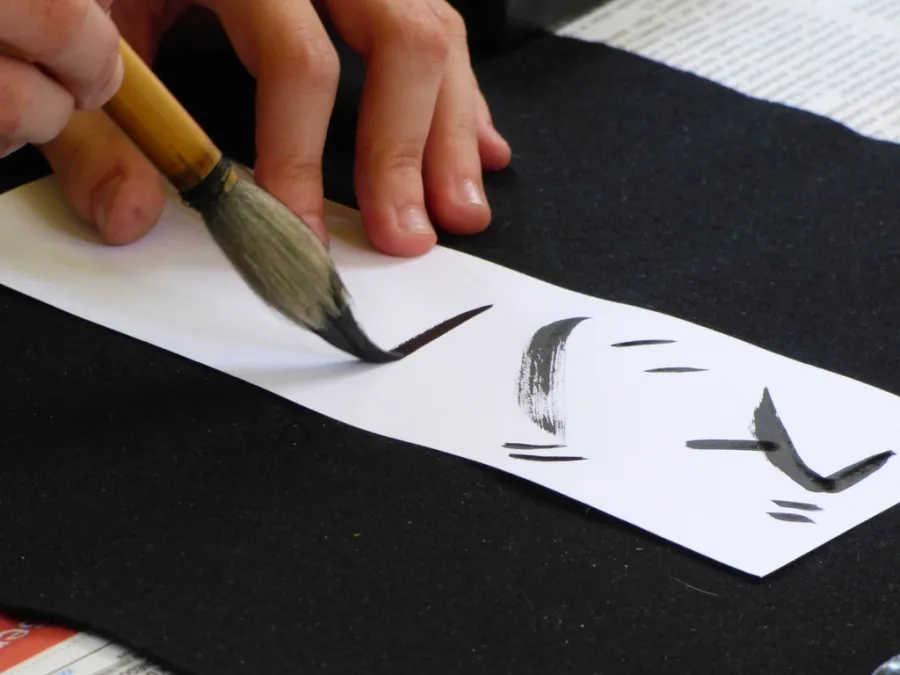
ما الذي يجعل ملفات PDF اليابانية صعبة، وكيف نتعامل معها
ثلاثة نصوص، لا توجد مسافات بين الكلمات
تحمل الكانجي المعاني، وتتعامل الهيراغانا مع القواعد النحوية، وتحدد الكاتاكانا الكلمات المستعارة والأسماء. نظرًا لعدم وجود علامة تحدد نهاية كلمة وبداية الكلمة التالية، فإن كسر الأسطر يتبع قواعد اللغة اليابانية (كينسوكو) حتى لا ينكسر السطر في المكان الخطأ أو تترك علامات الترقيم في بداية السطر.
خطوط تحتوي بالفعل على الأحرف
لا يمكن لخط لاتيني فقط عرض 漢字. نقوم بتضمين خطوط قادرة على التعامل مع CJK بحيث تظهر كل حرف بدلاً من الرجوع إلى مربعات فارغة. هذا مهم بشكل خاص للعقود الممسوحة ضوئيًا والأدلة، حيث اختفى الخط الأصلي.
نص عمودي وأفقي
تُكتب اللغة اليابانية بكلتا الطريقتين: من اليسار إلى اليمين في النص الأفقي ومن الأعلى إلى الأسفل في النص العمودي (تاتيغاكي). تظل الجداول والنماذج والأختام المطبوعة (هانكو) في مكانها، بحيث تُقرأ الصفحة المترجمة كما كانت الأصلية.
الكياسة والسياق
تبني اللغة اليابانية مستويات من الرسمية (كيغو) تميل اللغة الإنجليزية إلى تسطيحها. يقرأ الذكاء الاصطناعي السياق المحيط لاختيار تسجيل مناسب، بحيث تأتي رسائل العمل أكثر رسمية من المواد العادية بدلاً من ترجمتها كلمة بكلمة.
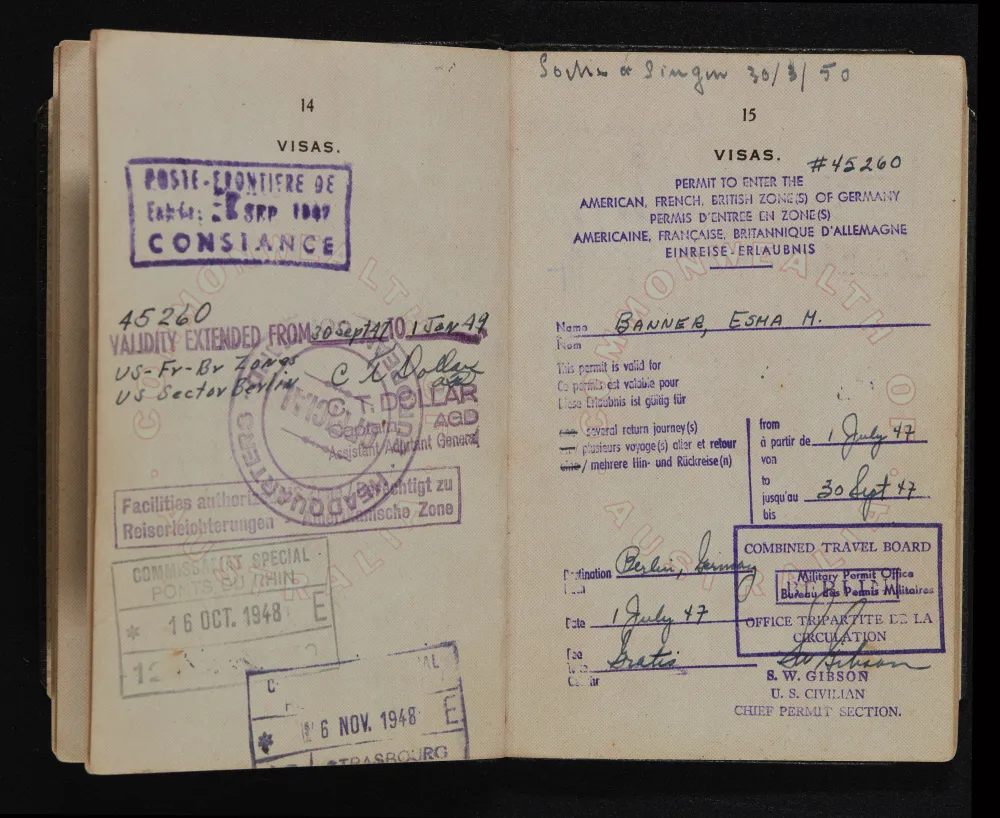
مستندات يترجمها الناس بين الإنجليزية واليابانية
تعد اليابان واحدة من أكبر الاقتصادات في العالم وهي مركز تصنيع ونشر رئيسي، لذا فإن معظم ملفات PDF بهذه اللغة هي تجارية أو تقنية:
- عقود عمل، اتفاقيات عدم إفشاء، ومستندات مقترحات داخلية (رينغي)
- أدلة التصنيع والمعدات، وأوراق المواصفات، وصحائف بيانات السلامة
- تقارير علاقات المستثمرين والتقارير المالية (有価証券報告書) لتقديمها عبر الحدود
- أوراق بحثية، براءات اختراع، وأبحاث مقدمة إلى مجلات يابانية
- مستخرجات سجل الأسرة (كوسيكي) وأوراق الهجرة للتأشيرات
- تغليف المنتجات، تعليمات الاستخدام، ونصوص ترجمة التطبيقات أو الألعاب
أي شيء تقدمه إلى مكتب حكومي أو محكمة، مثل طلب تأشيرة أو هجرة أو مستند قانوني، يتطلب عادةً ترجمة معتمدة ومراجعة بشرية. الترجمة الآلية هي الخيار السريع ومنخفض التكلفة عندما تحتاج بشكل أساسي إلى فهم مستند أو إنتاج مسودة أولية. انظر الترجمة المعتمدة إذا كنت بحاجة إلى ختم رسمي.
أسعار ترجمة PDF من الإنجليزية إلى اليابانية
ابدأ مجانًا وقم بالترقية مع نمو احتياجات الترجمة الخاصة بك.
Free
لا حاجة لبطاقة للتسجيل
- ترجمة آلية بسعر 0.005 دولار/كلمة
- دولار واحد لكل صفحة للملفات الممسوحة ضوئيًا وملفات PDF المصورة
- 108 لغة
- ملفات تصل إلى 20 ميجابايت و 20 صفحة
- DOCX، PDF، XLSX، PPTX، IDML، TXT، JPG، PNG و CSV
- تخزين الملفات لمدة 24 ساعة فقط
- محرر PDF ومحول PDF إلى DOCX
أساسي
الأكثر شيوعًايتم الدفع أسبوعيًا · إلغاء في أي وقت
يتم الدفع شهريًا
يتم الدفع مرة واحدة سنويًا · وفر 33%
- ترجمة آلية مضمنة كل شهر
- ثم 0.005 دولار أمريكي/كلمة ترجمة آلية
- ملفات تصل إلى 100 ميجابايت و 300 صفحة
- DOCX، PDF، XLSX، PPTX، IDML، TXT، JPG، PNG و CSV
- التعرف الضوئي على الحروف للمستندات الممسوحة ضوئيًا
- تخزين المستندات
- دعم ذو أولوية
- فترة تجريبية مجانية لمدة 7 أيام للخطة الشهرية
- الإلغاء في أي وقت
Pro
يتم الدفع شهريًا
يتم الدفع مرة واحدة سنويًا · وفر 34%
- ترجمة آلية مضمنة كل شهر
- ثم 0.004 دولار أمريكي/كلمة ترجمة آلية
- ملفات تصل إلى 1 جيجابايت و 5000 صفحة
- DOCX، PDF، XLSX، PPTX، IDML، TXT، JPG، PNG و CSV
- مسرد المصطلحات
- طابور الأولوية
- 5 مقاعد للفريق
- طلبات API · 1000 صفحة شهريًا
- وصول MCP للمساعدين الآليين
- الإلغاء في أي وقت
أعمال
يتم الدفع شهريًا
يتم الدفع مرة واحدة سنويًا · وفر 33%
- ترجمة آلية مضمنة كل شهر
- ثم 0.003 دولار أمريكي/كلمة ترجمة آلية
- ملفات تصل إلى 1 جيجابايت و 5000 صفحة
- DOCX، PDF، XLSX، PPTX، IDML، TXT، JPG، PNG و CSV
- مسرد المصطلحات
- طابور الأولوية
- 15 مقعدًا للفريق
- طلبات API · 5000 صفحة شهريًا
- وصول MCP للمساعدين الآليين
- الإلغاء في أي وقت
المؤسسات
هل تحتاج إلى حجم أكبر أو فوترة أو اتفاقية مخصصة؟ تحدث معنا بشأن خطة Enterprise.
كيفية ترجمة ملف PDF الخاص بك إلى اليابانية؟
إنشاء حساب مجاني
سجل ببريدك الإلكتروني للوصول إلى لوحة تحكم الترجمة عبر الإنترنت.
تحميل ملف PDF الخاص بك
اسحب وأفلت ملفك أو تصفح لاختياره. الخطط Pro و Business تدعم الملفات التي تصل إلى 1 جيجابايت.
اختر اليابانية كلغة مستهدفة
حدد اللغة الأصلية لملف PDF الخاص بك واضبط اليابانية كلغة مستهدفة.
ترجمة وتنزيل
انقر فوق "ترجمة" وانتظر بضع لحظات. سيكون ملف PDF المترجم الخاص بك جاهزًا للتنزيل باللغة اليابانية، مع الحفاظ على التنسيق.
أسئلة شائعة حول ترجمة PDF من الإنجليزية إلى اليابانية
هل ستظهر الكانجي والهيراغانا والكاتاكانا بشكل صحيح في ملف PDF المترجم؟
نعم. يقوم DocTranslator بتضمين خطوط قادرة على التعامل مع CJK في المخرجات، لذا يتم عرض كل حرف ياباني بشكل صحيح بدلاً من ظهور مربعات فارغة (تو فو). هذا مهم جدًا لملفات PDF الممسوحة ضوئيًا والملفات القديمة التي لم يعد خطها الياباني الأصلي متاحًا.
هل يحافظ على النص الياباني العمودي والجداول في مكانها؟
يتم الحفاظ على التخطيط، بما في ذلك النص المكتوب عموديًا (tategaki)، والصفحات متعددة الأعمدة، والجداول، وموضع الأختام والأشكال. تعكس الصفحة المترجمة بنية الأصل بدلاً من تفريغها في عمود نصي واحد.
هل يمكن لـ DocTranslator التعامل مع مستويات الأدب اليابانية (keigo)؟
يقرأ الذكاء الاصطناعي السياق المحيط لاختيار مستوى مناسب، لذا تخرج المستندات التجارية والرسمية باللغة اليابانية المناسبة بدلاً من تقديم حرفي ومباشر. بالنسبة للصياغة القانونية عالية المخاطر، اطلب من مراجع أصلي التحقق من النص النهائي.
ما الذي يتغير عندما أذهب في الاتجاه الآخر، من اليابانية إلى الإنجليزية؟
تعمل الأزواج في كلا الاتجاهين على نفس المحرك، لكن المخرجات تتصرف بشكل مختلف. عادةً ما تكون اللغة الإنجليزية المحددة من اليابانية أطول من المصدر، لأن اليابانية تجمع الكثير في عدد قليل من الأحرف، لذا قد تحتاج الأسطر التي تناسب عمودًا ضيقًا إلى مساحة أكبر. هناك تفصيلان يستحقان التحقق منهما بالعين بعد ذلك: الأسماء الشخصية، التي تظهر اسم العائلة أولاً في اليابانية وغالبًا ما يتم عكسها في الإنجليزية، والتواريخ المكتوبة بسنوات العصر، حيث لا تعني Reiwa 6 و Heisei 31 شيئًا للقارئ الذي يتوقع 2024 و 2019.
هل يمكنني تقديم هذا للحصول على تأشيرة أو لتقديمها للمحكمة؟
ليس بمفرده. مستخرج Koseki هو العقبة المعتادة: سجل الأسرة هو سجل منظم للأسرة بدلاً من شهادة واحدة، والمكتب المستلم يحتاج إلى مترجم بشري لتوقيع بيان بأن الترجمة دقيقة وكاملة. تطلب ملفات الهجرة والمحاكم هذه الشهادة بغض النظر عن مدى جودة الترجمة. خيارنا للترجمة المعتمدة يغطي هذا المسار.
لماذا ملف PDF الياباني الخاص بي أكبر بكثير من ملف PDF باللغة الإنجليزية؟
بسبب الخطوط. يحمل الخط اللاتيني بضع مئات من الحروف بينما يحمل الخط الياباني الآلاف، لذا فإن تضمينه يضخم الملف بما يتجاوز ما تشير إليه عدد الصفحات. يمكن أن يزن مستند ياباني مكون من عشرين صفحة أكثر من مستند إنجليزي مكون من مائة صفحة. حد 1 جيجابايت في خطتي Pro و Business سخي بما يكفي لدرجة أن هذا نادرًا ما يهم، ولكنه يفسر سبب كون حجم الملف تخمينًا ضعيفًا لمقدار النص الذي ترسله.
كيف يتم حساب التكلفة عندما لا تحتوي اللغة اليابانية على مسافات بين الكلمات؟
في خطة Free، تبلغ تكلفة الترجمة الآلية 0.005 دولار لكل كلمة، ولا توفر لك صفحة يابانية طريقة موثوقة لعدها بالنظر إليها، حيث أن الكتابة مستمرة بدون مسافات. الجواب العملي هو القياس بدلاً من التقدير: قم بترجمة مستند قصير واحد أولاً، والذي يكلف من 0.99 دولار ويظهر ما يكلفه مستند حقيقي خاص بك بالفعل. في الاشتراك، يقل عدد الكلمات أهمية، حيث يتم تضمين الصفحات كل 30 يومًا (حتى 5000 في Pro) ويتم تطبيق سعر الكلمة فقط بمجرد نفاد هذه الحصة. انظر التسعير للحصول على التفاصيل الكاملة.
ملف PDF الياباني الخاص بي عبارة عن مسح ضوئي. ما الذي سيعيقه؟
يتم دعم ملفات الصور (JPG، JPEG، PNG) وملفات PDF المصورة، ويقرأ المسح الضوئي النظيف عالي الدقة للنص المطبوع بشكل جيد. ثلاثة أشياء تجعل المسح الضوئي الياباني أصعب من معظم الأشياء. Furigana، وهي أدوات القراءة الصغيرة المطبوعة فوق أو بجانب الكانجي، تكون قريبة بما يكفي من السطر الرئيسي ليتم التقاطها كجزء منه. يجب قراءة الصفحات الموضوعة عموديًا بالاتجاه الصحيح قبل أن يحدث أي شيء آخر. والكتابة اليدوية مشكلة مختلفة تمامًا، لأن الكانجي المكتوب بخط اليد لا يشبه شكله المطبوع. عندما يكون لديك الملف الرقمي الأصلي، فسيكون دائمًا أفضل من صورة للصفحة.
ترجم ملف PDF الخاص بك إلى اليابانية اليوم
هل تحتاج إلى محول PDF إلى ياباني سريع وموثوق؟ مع DocTranslator، يمكنك ترجمة ملفات PDF عبر الإنترنت في دقائق مع الحفاظ على التنسيق الأصلي والصور والتخطيط سليمة. قم بتحميل ملفات تصل إلى 1 جيجابايت واحصل على نتائج دقيقة على الفور.
أدوات ذات صلة
ترجمة PDF حسب اللغة
أنواع المستندات
شركاؤنا