
Prevedi PDF angleščina v japonščino
Pretvorite angleške PDF-je v naravno, pravilno oblikovano japonščino z ohranjeno postavitvijo kanjijev, kano in postavitvijo, ali prevedite obratno, iz japonščine nazaj v angleščino. Datoteke do 1 GB.
Naložite ali povlecite dokument za prevod
Največja velikost datoteke 1 GB
- OCR za skenirane dokumente in fotografije
- 108 jezikov
- Izvirna postavitev ohranjena
Kaj je potrebno za prevod PDF-ja v japonščino
Japonščina je eden težjih jezikov za pravilno obravnavo znotraj PDF-ja. Meša tri pisne sisteme (kanji, hiragana in katakana), ne uporablja presledkov med besedami in postavlja polnoširinske ter polovične znake na isto vrstico. Orodje, ki le zamenjuje besede, običajno pokvari prelamljanje vrstic in potisne besedilo iz tabel, ter pusti prazne kvadrate (tofu, □) povsod, kjer manjka pisava. DocTranslator prevede besedilo in ga tudi ponovno oblikuje, tako da japonska različica še vedno ustreza strani, s katere je prišla.
Japonščina je običajno za 20 do 60 % krajša od enake angleščine, ko preštejete znake, vendar je vsak znak vizualno širši, zato preoblikovanje postavitve pomeni toliko kot besedilo. Enako orodje deluje tudi v obratni smeri, iz japonščine v angleščino. Tam se problem obrne: kratka, gosta japonščina se razširi v daljšo angleščino, ki jo je nato treba ponovno prilagoditi, da ne preplavi strani.
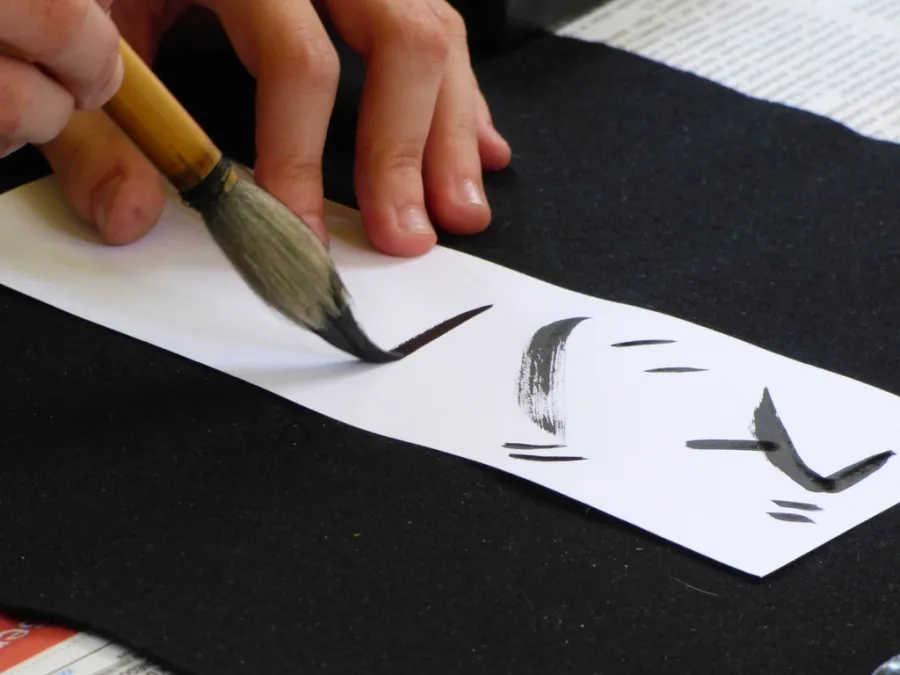
Kaj naredi japonske PDF-je zapletene in kako jih obravnavamo
Tri pisave, brez presledkov med besedami
Kanji nosijo pomen, hiragana skrbi za slovnico, kana pa označuje tuje besede in imena. Ker nič ne označuje, kje se ena beseda konča in druga začne, se prelamljanje vrstic ravna po japonskih pravilih (kinsoku), tako da se stavek ne prelomi na napačnem mestu ali ne pusti ločila na začetku vrstice.
Pisave, ki dejansko vsebujejo glife
Pisava samo z latinskimi znaki ne more prikazati 漢字. Vstavimo pisave, ki podpirajo CJK, tako da se prikaže vsak znak namesto praznih kvadratov. To je najbolj pomembno za skenirane pogodbe in priročnike, kjer originalna pisava ni več na voljo.
Navpično in vodoravno besedilo
Japonščina poteka v obeh smereh: od leve proti desni v vodoravnem besedilu in od zgoraj navzdol v navpičnem besedilu (tategaki). Tabele, obrazci in žigi (hanko) ostanejo na mestu, tako da prevedena stran ostane takšna, kot je bila originalna.
Vljudnost in kontekst
Japonščina vključuje ravni formalnosti (keigo), ki jih angleščina običajno zravna. AI prebere okoliški kontekst, da izbere ustrezen register, tako da poslovna pisma izpadejo bolj formalna kot priložnostno gradivo, namesto da bi bila prevedena beseda za besedo.
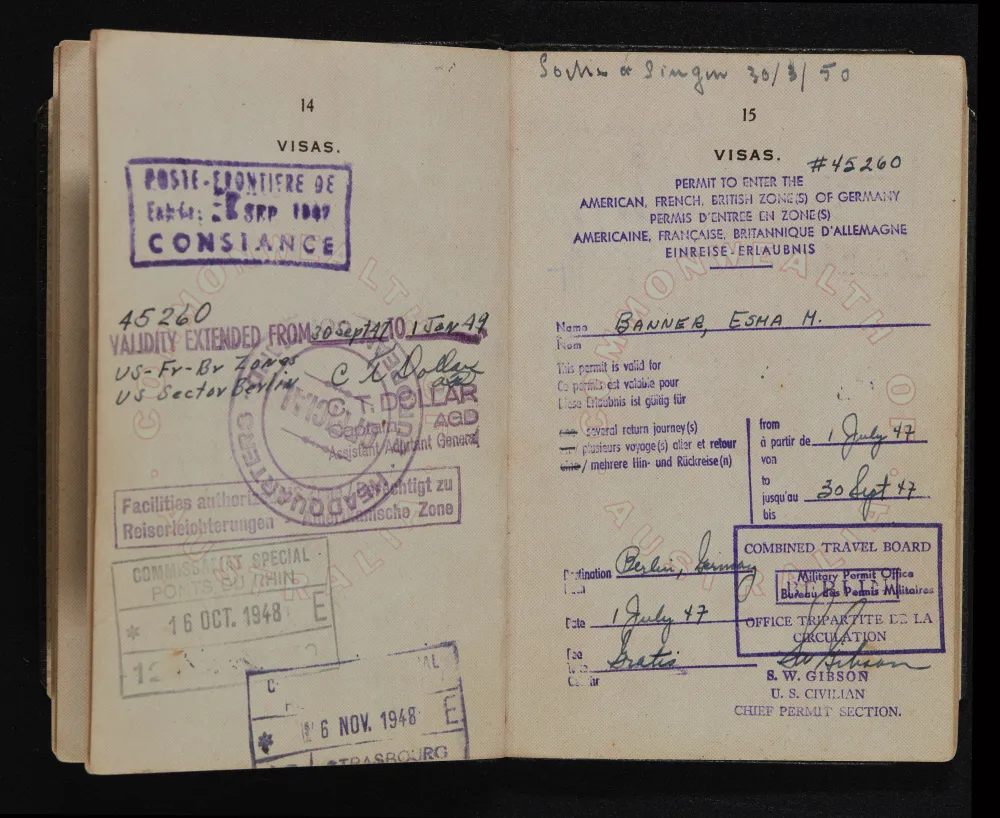
Dokumenti, ki jih ljudje prevajajo med angleščino in japonščino
Japonska ima eno največjih svetovnih gospodarstev in je glavno proizvodno in založniško središče, zato je večina PDF-jev v tem jezikovnem paru komercialnih ali tehničnih:
- Poslovne pogodbe, NDA in notranji predlogi (ringi) dokumenti
- Priročniki za proizvodnjo in opremo, specifikacije in varnostni listi
- Poročila o odnosih z vlagatelji in finančna poročila (有価証券報告書) za čezmejne prijave
- Akademski članki, patenti in raziskave, predložene japonskim revijam
- Izvlečki iz družinskega registra (koseki) in imigracijski dokumenti za vizume
- Embalaža izdelkov, navodila za uporabo in skripti za lokalizacijo aplikacij ali iger
Vse, kar predložite vladni pisarni ali sodišču, kot je vloga za vizum, imigracijo ali pravna vloga, običajno potrebuje overjen, s strani človeka pregledan prevod. AI prevajanje je hitra, poceni možnost, ko morate predvsem razumeti dokument ali ustvariti osnutek. Glejte overjen prevod, če potrebujete uradni pečat.
Cene prevajanja PDF-jev iz angleščine v japonščino
Začnite brezplačno in nadgradite, ko vaše potrebe po prevajanju rastejo.
Free
Za prijavo ni potrebna kartica
- 0,005 $/besedo prevajanje z umetno inteligenco
- 1 $ na stran za skenirane dokumente in PDF-je s slikami
- 108 jezikov
- Datoteke do 20 MB in 20 strani
- DOCX, PDF, XLSX, PPTX, IDML, TXT, JPG, PNG in CSV
- Samo 24-urno shranjevanje datotek
- Urejevalnik PDF in pretvornik PDF v DOCX
Osnovni
Najbolj priljubljenObračunano vsak teden · prekličete lahko kadar koli
Obračunano mesečno
Obračunano enkrat letno · prihranite 33 %
- AI prevodov vključenih vsak mesec
- Nato 0,005 $/besedo AI prevod
- Datoteke do 100 MB in 300 strani
- DOCX, PDF, XLSX, PPTX, IDML, TXT, JPG, PNG in CSV
- OCR za skenirane dokumente
- Shranjevanje dokumentov
- Prednostna podpora
- 7-dnevna brezplačna preizkusna različica pri mesečnem načrtu
- Prekličite kadar koli
Pro
Obračunano mesečno
Obračunano enkrat letno · prihranite 34 %
- AI prevodov vključenih vsak mesec
- Nato 0,004 $/besedo AI prevod
- Datoteke do 1 GB in 5.000 strani
- DOCX, PDF, XLSX, PPTX, IDML, TXT, JPG, PNG in CSV
- Slovarček
- Prednostna čakalna vrsta
- 5 sedežev za ekipo
- API zahteve · 1.000 strani na mesec
- Dostop MCP za pomočnike AI
- Prekličite kadar koli
Poslovni
Obračunano mesečno
Obračunano enkrat letno · prihranite 33 %
- AI prevodov vključenih vsak mesec
- Nato 0,003 $/besedo AI prevod
- Datoteke do 1 GB in 5.000 strani
- DOCX, PDF, XLSX, PPTX, IDML, TXT, JPG, PNG in CSV
- Slovarček
- Prednostna čakalna vrsta
- 15 sedežev za ekipo
- API zahteve · 5.000 strani na mesec
- Dostop MCP za pomočnike AI
- Prekličite kadar koli
Podjetja
Potrebujete večjo količino, fakturiranje ali dogovor po meri? Pogovorite se z nami o načrtu Enterprise.
Kako prevesti svoj PDF v japonščino?
Ustvari brezplačen račun
Prijavite se s svojim e-poštnim naslovom za dostop do spletne nadzorne plošče za prevajanje.
Naloži svojo PDF datoteko
Povlecite in spustite svojo datoteko ali brskajte, da jo izberete. Datoteke do 1 GB so podprte v načrtih Pro in Business.
Izberite japonščino kot ciljni jezik
Izberite izvirni jezik svojega PDF-ja in nastavite japonščino kot ciljni jezik.
Prevedi in prenesi
Kliknite "Prevedi" in počakajte nekaj trenutkov. Vaš prevedeni PDF bo pripravljen za prenos v japonščini, z ohranjeno obliko.
Pogosta vprašanja o prevajanju PDF-jev iz angleščine v japonščino
Se bodo kanji, hiragana in katakana pravilno prikazali v prevedenem PDF-ju?
Da. DocTranslator v izhodno datoteko vgradi pisave, ki podpirajo CJK, zato se vsak japonski znak pravilno prikaže namesto praznih polj (tofu). To je najpomembnejše za skenirane PDF-je in starejše datoteke, katerih izvirna japonščina pisava ni več na voljo.
Ali se pokončno japonsko besedilo in tabele ohranijo na mestu?
Postavitev je ohranjena, vključno s pokončno postavljenim besedilom (tategaki), več stolpci, tabelami ter položajem pečatov in slik. Prevedena stran odraža strukturo izvirnika, namesto da bi bila stlačena v en sam besedilni stolpec.
Ali lahko DocTranslator obravnava japonske ravni vljudnosti (keigo)?
Umetna inteligenca prebere okoliški kontekst, da izbere ustrezen register, zato so poslovni in formalni dokumenti prevedeni v primerno vljudno japonščino, namesto v raven, dobeseden prevod. Za visoko tvegane pravne izraze naj končno besedilo pregleda domači recenzent.
Kaj se spremeni, ko grem v drugo smer, iz japonščine v angleščino?
Par deluje v obeh smereh na istem motorju, vendar se izhod obnaša drugače. Angleščina, nastavljena iz japonščine, običajno traja dlje kot izvirnik, ker japonščina veliko stvari spakira v nekaj znakov, zato vrstice, ki so se prilegale ozkemu stolpcu, morda potrebujejo več prostora. Dve podrobnosti je vredno naknadno preveriti s prostim očesom: osebna imena, ki se v japonščini pojavijo najprej priimek in pogosto obratno v angleščini, ter datumi, napisani v letih ere, kjer Reiwa 6 in Heisei 31 ne pomenijo nič bralcu, ki pričakuje 2024 in 2019.
Ali lahko to oddam za vizum ali sodno vložitev?
Ne samostojno. Izpisek iz Kosekija je običajna ovira: družinski register je strukturiran zapis gospodinjstva in ne enega potrdila, prejemni urad pa potrebuje človeškega prevajalca, ki podpiše izjavo, da je prevod točen in popoln. Imigracijske vloge in sodišča zahtevajo to potrdilo ne glede na to, kako dober je prevod. Naša možnost certificiranega prevoda pokriva to pot.
Zakaj je moj japonski PDF veliko večji od angleškega?
Zaradi pisav. Latinska pisava vsebuje nekaj sto glifov, medtem ko jih japonska mora vsebovati na tisoče, zato njeno vključevanje napihne datoteko daleč preko števila strani. Dvajset strani dolg japonski dokument je lahko težji od angleškega dokumenta s sto stranmi. Omejitev 1 GB pri načrtih Pro in Business je dovolj velikodušna, da to redko predstavlja težavo, vendar pojasnjuje, zakaj je velikost datoteke slab pokazatelj, koliko besedila pošiljate.
Kako se izračuna strošek, ko japonščina nima presledkov med besedami?
V načrtu Free je AI prevajanje 0,005 $ na besedo, stran japonščine pa vam ne daje zanesljivega načina, da bi jih prešteli s pogledom, saj pisanje poteka neprekinjeno brez presledkov. Praktičen odgovor je merjenje namesto ocenjevanja: najprej prevedite en kratek dokument, ki stane od 0,99 $ in pokaže, koliko dejansko stane vaš pravi dokument. Z naročnino število manj vpliva, saj so strani vključene vsakih 30 dni (do 5.000 na Pro), stopnja na besedo pa velja šele, ko ta dodatek poteče. Glejte cenik za celotne podrobnosti.
Moj japonski PDF je skeniran. Kaj ga bo oviralo?
Podprte so slikovne datoteke (JPG, JPEG, PNG) in slikovni PDF-ji, čist sken natisnjenega besedila visoke ločljivosti pa se dobro bere. Tri stvari naredijo japonske skene težje kot večino drugih. Furigana, majhna pomagala za branje, natisnjena nad ali ob kanjijih, sedi dovolj blizu glavne vrstice, da jo zazna kot del nje. Vertikalno postavljene strani je treba najprej prebrati v pravilni smeri, preden se zgodi karkoli drugega. In rokopis je povsem drugačen problem, saj kurzivni kanji malo spominjajo na svojo natisnjeno obliko. Če imate izvirno digitalno datoteko, bo ta vedno boljša od fotografije strani.
Prevedite svoj PDF v japonščino še danes
Potrebujete hitro in zanesljivo pretvornik PDF v japonščino? Z DocTranslator lahko prevedete PDF-je v spletu v nekaj minutah, pri čemer ohranite izvirno obliko, slike in postavitev. Naložite datoteke do 1 GB in takoj prejmite natančne rezultate.
Sorodna orodja
Prevedi PDF po jeziku
Vrste dokumentov
Naši partnerji