
Terjemahake PDF Basa Inggris menyang Basa Jepang
Owah-owahan PDF Basa Inggris menyang Basa Jepang sing alami, ditata kanthi bener nganggo aksara kanji, kana, lan tata letak sing utuh, utawa terjemahake kosok baline, saka Basa Jepang menyang Basa Inggris. File nganti 1 GB.
Unggah utawa selehake dokumen kanggo diterjemahake
Ukuran file maksimal 1 GB
- OCR kanggo pindaian lan foto
- 108 basa
- Tata letak asli tetep
Apa sing dibutuhake kanggo nerjemahake PDF menyang Basa Jepang
Basa Jepang minangka salah sawijining basa sing paling angel ditindakake ing PDF. Nggabungake telung sistem tulisan (kanji, hiragana, lan katakana), ora ana spasi antarane tembung, lan nggunakake karakter lebar-penuh lan setengah-lebar ing baris sing padha. Alat sing mung ngganti tembung cenderung ngrusak baris lan ngusir teks saka tabel, lan ninggalake kothak kosong (tofu, □) ing ngendi font ilang. DocTranslator nerjemahake teks lan uga ngetik ulang, supaya versi Basa Jepang isih pas karo kaca asale.
Basa Jepang biasane luwih cendhak 20 nganti 60% tinimbang Basa Inggris sing padha nalika ngitung karakter, nanging saben karakter luwih amba, mula ngatur ulang tata letak luwih penting tinimbang tembung-tembung kasebut. Mesin sing padha bisa digunakake kanthi mbalikke, saka Basa Jepang menyang Basa Inggris. Ing kono masalah kasebut malik: Basa Jepang sing cendhak lan padhet malih dadi Basa Inggris sing luwih dawa sing banjur kudu diatur ulang supaya ora ngluwihi kaca.
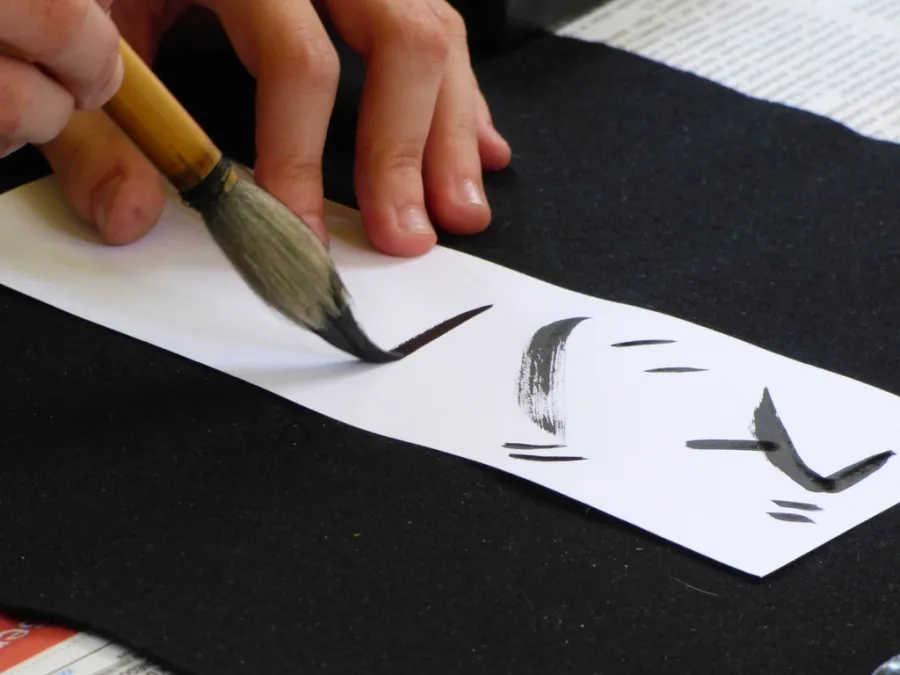
Apa sing nggawe PDF Basa Jepang angel, lan kepiye carane ngatasi
Telung aksara, ora ana spasi tembung
Kanji nggawa makna, hiragana ngatur tata basa, lan katakana menehi tandha tembung silihan lan jeneng. Amarga ora ana sing menehi tandha ing ngendi siji tembung rampung lan sabanjure diwiwiti, pemisahan baris manut aturan Basa Jepang (kinsoku) supaya ukara ora pedhot ing panggonan sing salah utawa ninggalake tandha wacan ing wiwitan baris.
Font sing pancen ngemot glif
Font mung aksara Latin ora bisa nampilake 漢字. Kita nggunakake font sing bisa nampilake aksara CJK supaya saben karakter katon tinimbang malih dadi kothak kosong. Iki sing paling penting kanggo kontrak sing dipindai lan manual, ing ngendi font asli wis ilang.
Teks vertikal lan horisontal
Basa Jepang mlaku loro-lorone: kiwa-tengen ing teks horisontal lan ndhuwur-ngisor ing teks vertikal (tategaki). Tabel, formulir, lan segel cap (hanko) tetep ing panggonane, supaya kaca sing diterjemahake diwaca kaya asline.
Kesopanan lan konteks
Basa Jepang nggawe tingkat formalitas (keigo) sing cenderung rata ing Basa Inggris. AI maca konteks sekitar kanggo milih register sing cocog, supaya layang bisnis luwih formal tinimbang materi santai tinimbang diterjemahake tembung saben tembung.
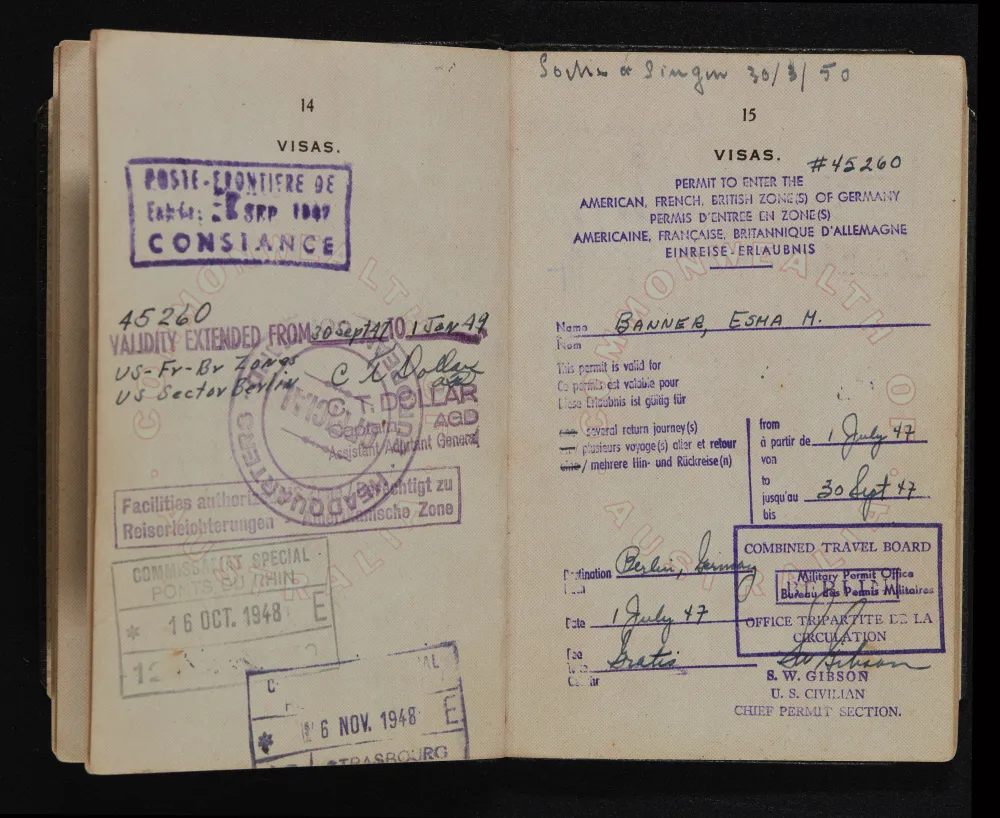
Dokumen sing ditrapake wong kanggo nerjemahake antarane Basa Inggris lan Basa Jepang
Jepang minangka salah sawijining ekonomi paling gedhe ing donya lan pusat manufaktur lan penerbitan utama, mula umume PDF ing pasangan basa iki komersial utawa teknis:
- Kontrak bisnis, NDA lan dokumen proposal internal (ringi)
- Manual manufaktur lan peralatan, lembar spesifikasi lan lembar data keamanan
- Hubungan investor lan laporan keuangan (有価証券報告書) kanggo pengajuan lintas batas
- Makalah akademik, paten lan riset sing diajukake menyang jurnal Jepang
- Ekstrak registri kulawarga (koseki) lan dokumen imigrasi kanggo visa
- Kemasan produk, instruksi panggunaan, lan skrip lokalisasi aplikasi utawa game
Apa wae sing sampeyan kirimake menyang kantor pamrentah utawa pengadilan, kayata visa, imigrasi, utawa pengajuan hukum, biasane mbutuhake terjemahan sing disertifikasi lan ditinjau manungsa. Terjemahan AI minangka pilihan sing cepet lan murah nalika sampeyan utamane kudu ngerti dokumen utawa ngasilake draf pertama. Delengen terjemahan disertifikasi yen sampeyan butuh stempel resmi.
Rega Terjemahan PDF Basa Inggris menyang Basa Jepang
Miwiti gratis lan upgrade nalika kabutuhan jarwane tuwuh.
Free
Ora perlu kertu kanggo ndhaptar
- $0.005/tembung terjemahan AI
- $1 saben kaca kanggo pindaian lan PDF gambar
- 108 basa
- File nganti 20 MB lan 20 kaca
- DOCX, PDF, XLSX, PPTX, IDML, TXT, JPG, PNG lan CSV
- Panyimpenan file 24 jam wae
- Editor PDF lan konverter PDF menyang DOCX
Dhasar
Paling populerDitagih saben minggu · batalake kapan wae
Ditagih saben wulan
Ditagih setaun sepisan · ngirit 33%
- Terjemahan AI kalebu saben wulan
- Banjur $0.005/tembung terjemahan AI
- File nganti 100 MB lan 300 kaca
- DOCX, PDF, XLSX, PPTX, IDML, TXT, JPG, PNG lan CSV
- OCR kanggo dokumen sing dipindai
- Panyimpenan dokumen
- Dhukungan prioritas
- Coba gratis 7 dina ing paket bulanan
- Batalake kapan wae
Pro
Ditagih saben wulan
Ditagih setaun sepisan · ngirit 34%
- Terjemahan AI kalebu saben wulan
- Banjur $0.004/tembung terjemahan AI
- File nganti 1 GB lan 5.000 kaca
- DOCX, PDF, XLSX, PPTX, IDML, TXT, JPG, PNG lan CSV
- Glosarium
- Antrean prioritas
- 5 kursi tim
- Panjaluk API · 1.000 kaca saben wulan
- Akses MCP kanggo asisten AI
- Batalake kapan wae
Bisnis
Ditagih saben wulan
Ditagih setaun sepisan · ngirit 33%
- Terjemahan AI kalebu saben wulan
- Banjur $0.003/tembung terjemahan AI
- File nganti 1 GB lan 5.000 kaca
- DOCX, PDF, XLSX, PPTX, IDML, TXT, JPG, PNG lan CSV
- Glosarium
- Antrean prioritas
- 15 kursi tim
- Panjaluk API · 5.000 kaca saben wulan
- Akses MCP kanggo asisten AI
- Batalake kapan wae
Enterprise
Perlu luwih akeh volume, tagihan utawa perjanjian khusus? Rembugan karo kita babagan paket Enterprise.
Carane nerjemahake PDF menyang Basa Jepang?
Gawe Akun Gratis
Ndhaptar nganggo email sampeyan kanggo ngakses dasbor terjemahan online.
Unggah File PDF-mu
Seret lan selehake file utawa telusuri kanggo milih. File nganti 1 GB didhukung ing paket Pro lan Bisnis.
Pilih Basa Jepang minangka Basa Target
Pilih basa asli PDF sampeyan lan atur Basa Jepang minangka basa target.
Jarwane lan Undhuh
Klik "Terjemahake" lan ngenteni sawetara menit. PDF sing diterjemahake bakal siap diundhuh ing Basa Jepang, kanthi format sing dilestantunake.
FAQ Terjemahan PDF Basa Inggris menyang Basa Jepang
Apa aksara kanji, hiragana, lan katakana bakal katon bener ing PDF sing diterjemahake?
Ya. DocTranslator nggunakake font sing ndhukung CJK ing output, mula saben aksara Jepang katon bener tinimbang katon kotak kosong (tofu). Iki paling penting kanggo PDF sing dipindai lan file lawas sing font Jepang asline wis ora ana.
Apa tetep njaga teks vertikal Jepang lan tabel ing panggonane?
Tata letak tetep dijaga, kalebu teks sing disetel vertikal (tategaki), kaca multi-kolom, tabel, lan posisi segel lan gambar. Kaca sing diterjemahake bakal niru struktur asline tinimbang dilebokake ing siji kolom teks.
Apa DocTranslator bisa nangani tingkat kesopanan basa Jepang (keigo)?
AI bakal maca konteks sakitare kanggo milih registrasi sing cocog, mula dokumen bisnis lan formal bakal katon nganggo basa Jepang sing sopan tinimbang terjemahan harfiah sing datar. Kanggo tembung-tembung legal sing penting, njaluk peninjau asli mriksa teks pungkasan.
Apa sing owah nalika aku pindhah ing arah liya, Basa Jepang menyang Basa Inggris?
Pasangan iki mlaku ing loro arah ing mesin sing padha, nanging asilé béda. Basa Inggris sing disetel saka Basa Jepang biasane luwih dawa tinimbang sumberé, amarga Basa Jepang ngemas akèh dadi sawetara karakter, mula baris sing pas karo kolom sing sempit bisa mbutuhaké luwih akeh ruang. Rong rinci sing pantes dicenthang kanthi mripat sawisé: jeneng pribadi, sing katon jeneng kulawarga dhisik ing Basa Jepang lan asring dibalik ing Basa Inggris, lan tanggal sing ditulis ing taun-taun era, ing ngendi Reiwa 6 lan Heisei 31 ora ana tegesé kanggo wong sing maca ngarep-arep 2024 lan 2019.
Apa aku bisa ngirim iki kanggo visa utawa pengajuan pengadilan?
Ora dhewekan. Ekstrak koseki minangka alangan sing umum: pendaptaran kulawarga minangka cathetan terstruktur saka rumah tangga tinimbang siji sertifikat, lan kantor panampa mbutuhake penerjemah manungsa kanggo nandatangani pratelan yen rendering akurat lan lengkap. Pengajuan imigrasi lan pengadilan njaluk sertifikasi kasebut ora preduli saka apike terjemahan kasebut. Pilihan terjemahan bersertifikat kita nutupi rute kasebut.
Yagéné PDF Basa Jepangku luwih gedhé tinimbang sing Basa Inggris?
Amarga fonté. Font Latin nggawa sawetara atus glif nalika font Jepang kudu nggawa ewonan, mula nyemataké ngembangaké file ngluwihi apa sing ditampilake dening jumlah kaca. Dokumèn Jepang rong puluh kaca bisa bobote luwih saka dokumèn Inggris satus kaca. Watesan 1 GB ing rencana Pro lan Business cukup akeh saengga iki arang banget, nanging nerangake kenapa ukuran file minangka tebakan sing ala babagan jumlah teks sing dikirim.
Piye carané ngitung biaya nalika Basa Jepang ora ana spasi antarane tembung?
Ing Free plan terjemahan AI regane $0.005 saben tembung, lan kaca basa Jepang ora menehi cara sing bisa dipercaya kanggo ngitung kasebut kanthi ndeleng, amarga tulisane terus-terusan tanpa spasi. Jawaban praktis yaiku ngukur tinimbang ngira-ngira: nerjemahake siji dokumen cendhak dhisik, sing regane wiwit $0.99 lan nuduhake apa sing ditindakake dokumen nyata sampeyan. Ing langganan, jumlah kasebut kurang penting, amarga kaca kalebu saben 30 dina (nganti 5.000 ing Pro) lan tarif saben tembung mung ditrapake yen jatah kasebut entek. Delengen rega kanggo rincian lengkap.
PDF Basa Jepangku minangka pindaian. Apa sing bakal ngganggu?
File gambar (JPG, JPEG, PNG) lan PDF gambar didhukung, lan pindaian teks cetak resolusi dhuwur sing resik maca kanthi apik. Telung bab sing nggawe pindaian Jepang luwih angel tinimbang biasane. Furigana, alat wacan cilik sing dicithak ing ndhuwur utawa ing jejere kanji, lungguh cedhak banget karo garis utama kanggo dijupuk minangka bagéan saka iku. Kaca sing disetel vertikal kudu diwaca ing arah sing bener sadurunge liyane bisa kelakon. Lan tulisan tangan minangka masalah sing beda, amarga kanji kursif meh ora mirip karo bentuk cetak. Ing ngendi sampeyan duwe file digital asli, iku bakal tansah ngalahake foto kaca.
Terjemahake PDF menyang Basa Jepang dina iki
Perlu konverter PDF menyang Basa Jepang sing cepet lan dipercaya? Kanthi DocTranslator, sampeyan bisa nerjemahake PDF online sajrone menit nalika njaga format asli, gambar, lan tata letak sing utuh. Unggah file nganti 1 GB lan entuk asil sing akurat kanthi cepet.
Piranti sing Gegandhengan
Terjemahake PDF miturut Basa
Jinis Dokumen
Kanca-kanca Kita