ترجمه PDF انگلیسی به ژاپنی
فایلهای PDF انگلیسی را با حفظ کانجی، کانا و چیدمان به زبان ژاپنی طبیعی و با تایپوگرافی صحیح تبدیل کنید، یا برعکس، از ژاپنی به انگلیسی ترجمه کنید. فایلها تا 1 گیگابایت.
بارگذاری یا رها کردن سند برای ترجمه
حداکثر حجم فایل 1 GB
- تشخیص نوری کاراکتر برای اسکنها و عکسها
- ۱۰۸ زبان
- طرحبندی اصلی حفظ میشود
آنچه برای ترجمه یک PDF به زبان ژاپنی لازم است
ژاپنی یکی از زبانهای دشوار برای ترجمه صحیح در یک PDF است. این زبان سه سیستم نوشتاری (کانجی، هیراگانا و کاتاکانا) را ترکیب میکند، بین کلمات فاصلهای ندارد و از کاراکترهای تمام عرض و نیم عرض در یک خط استفاده میکند. ابزاری که فقط کلمات را جایگزین میکند، معمولاً باعث شکستن خطوط و خارج شدن متن از جداول میشود و هر جا که فونت گم شده باشد، کادرهای خالی (توfu، □) باقی میگذارد. DocTranslator متن را ترجمه کرده و همچنین آن را دوباره تایپ میکند، بنابراین نسخه ژاپنی همچنان در صفحه اصلی جا میگیرد.
ژاپنی معمولاً حدود 20 تا 60 درصد کوتاهتر از انگلیسی معادل خود است، اما هر کاراکتر از نظر بصری عریضتر است، بنابراین بازسازی چیدمان به اندازه انتخاب کلمات اهمیت دارد. همین موتور در جهت معکوس، از ژاپنی به انگلیسی نیز کار میکند. در آنجا مشکل برعکس میشود: ژاپنی کوتاه و فشرده به انگلیسی طولانیتر تبدیل میشود که سپس باید دوباره تنظیم شود تا از صفحه بیرون نزند.
چه چیزی فایلهای PDF ژاپنی را دشوار میکند و ما چگونه با آن برخورد میکنیم
سه اسکریپت، بدون فاصله کلمه
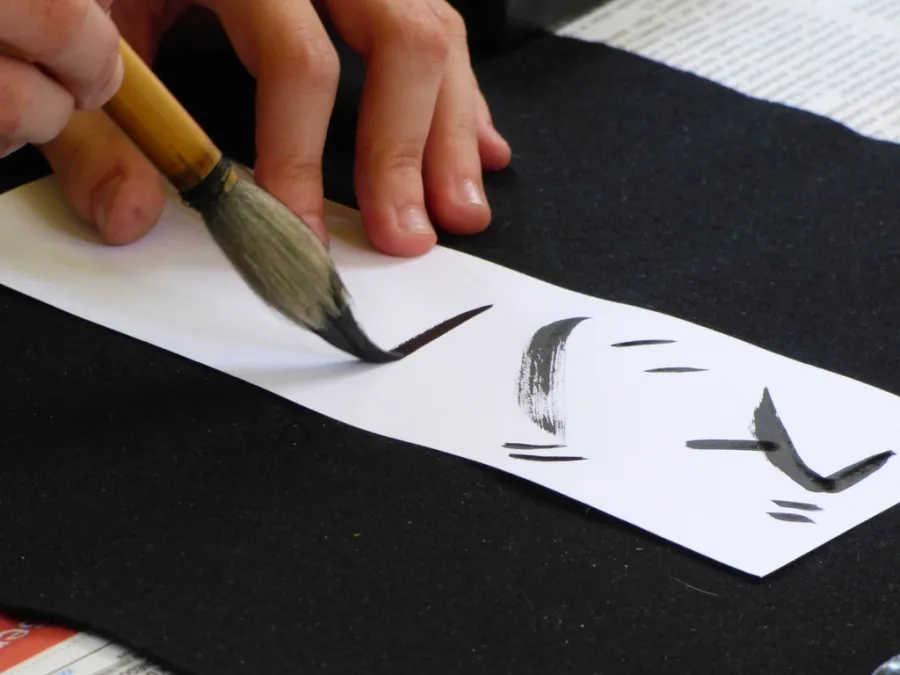
کانجی معنا را حمل میکند، هیراگانا دستور زبان را اداره میکند و کاتاکانا کلمات وام گرفته شده و نامها را مشخص میکند. از آنجایی که هیچ چیزی نشان نمیدهد که یک کلمه کجا تمام میشود و کلمه بعدی شروع میشود، شکست خط بر اساس قوانین ژاپنی (kinsoku) انجام میشود تا یک جمله در جای اشتباه شکسته نشود یا علائم نگارشی در ابتدای خط باقی نماند.
فونتهایی که واقعاً شامل گلیفها هستند
یک فونت فقط لاتین نمیتواند 漢字 را رندر کند. ما فونتهای سازگار با CJK را جاسازی میکنیم تا هر کاراکتر به جای افتادن به کادرهای خالی، نمایش داده شود. این امر برای قراردادهای اسکن شده و راهنماها که فونت اصلی از بین رفته است، بیشترین اهمیت را دارد.
متن عمودی و افقی
ژاپنی در هر دو جهت اجرا میشود: از چپ به راست در متن افقی و از بالا به پایین در متن عمودی (tategaki). جداول، فرمها و مهرهای مهر شده (hanko) در جای خود باقی میمانند، بنابراین صفحه ترجمه شده همانطور که اصل آن بود خوانده میشود.
ادب و زمینه
ژاپنی سطوح رسمیت (keigo) را در خود جای داده است که انگلیسی تمایل به صاف کردن آن دارد. هوش مصنوعی زمینه اطراف را میخواند تا یک سطح مناسب انتخاب کند، بنابراین نامههای تجاری رسمیتر از مطالب غیررسمی به نظر میرسند به جای اینکه کلمه به کلمه ترجمه شوند.
اسنادی که مردم بین انگلیسی و ژاپنی ترجمه میکنند
ژاپن یکی از بزرگترین اقتصادهای جهان را دارد و یک مرکز تولید و نشر مهم است، بنابراین بیشتر فایلهای PDF در این جفت زبان تجاری یا فنی هستند:
- قراردادهای تجاری، NDAها و اسناد داخلی پیشنهادی (ringi)
- راهنماهای تولید و تجهیزات، برگههای مشخصات و برگههای داده ایمنی
- روابط سرمایهگذار و گزارشهای مالی (有価証券報告書) برای پروندههای بینالمللی
- مقالات دانشگاهی، پتنتها و تحقیقات ارائه شده به مجلات ژاپنی
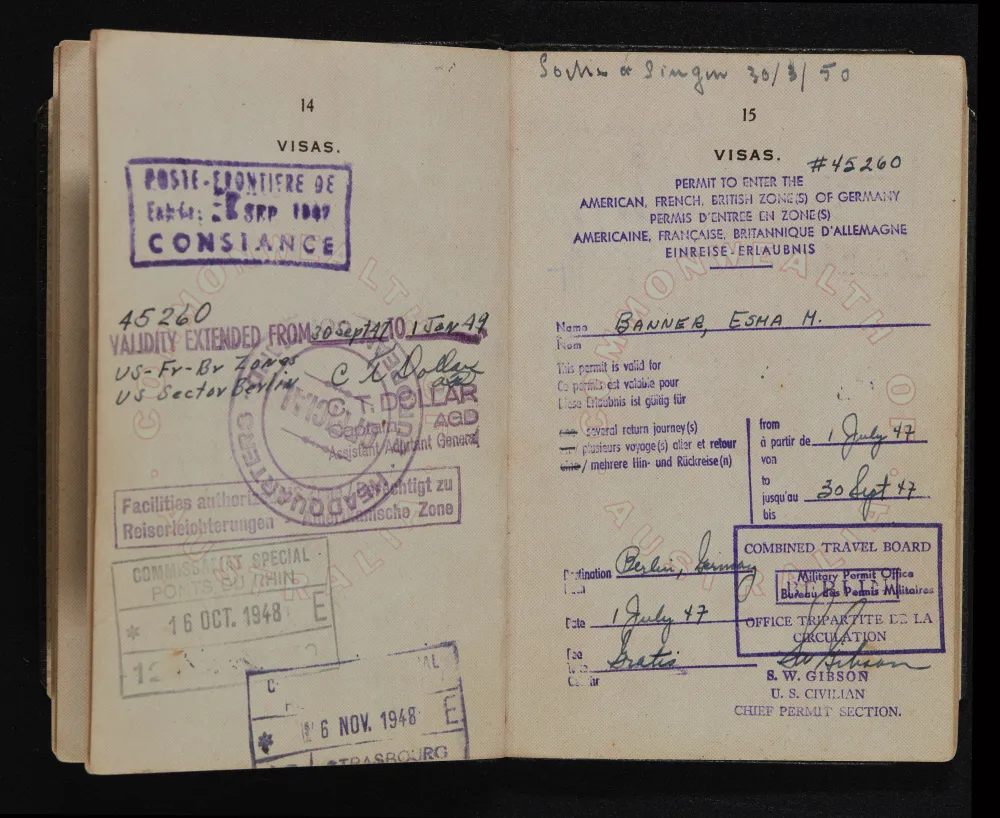
- استخراج ثبت خانواده (koseki) و مدارک مهاجرت برای ویزا
- بستهبندی محصول، دستورالعملهای استفاده، و اسکریپتهای بومیسازی برنامه یا بازی
هر چیزی که به یک اداره دولتی یا دادگاه ارائه میدهید، مانند پرونده ویزا، مهاجرت یا حقوقی، معمولاً به ترجمه تایید شده و بررسی شده توسط انسان نیاز دارد. ترجمه هوش مصنوعی گزینه سریع و کمهزینه است زمانی که عمدتاً نیاز به درک یک سند یا تولید پیشنویس اولیه دارید. در صورت نیاز به مهر رسمی، به ترجمه تایید شده مراجعه کنید.
قیمت ترجمه PDF از انگلیسی به ژاپنی
با رایگان شروع کنید و با رشد نیازهای ترجمه خود، ارتقا دهید.
Free
برای ثبتنام نیازی به کارت اعتباری نیست
- ترجمه ماشینی با هزینه ۰.۰۰۵ دلار در هر کلمه
- ۱ دلار برای هر صفحه برای اسکنها و PDFهای تصویری
- ۱۰۸ زبان
- فایلهای تا ۲۰ مگابایت و ۲۰ صفحه
- DOCX، PDF، XLSX، PPTX، IDML، TXT، JPG، PNG و CSV
- فقط ذخیرهسازی فایل ۲۴ ساعته
- ویرایشگر PDF و مبدل PDF به DOCX
پایه
محبوبترینپرداخت هفتگی · هر زمان لغو کنید
پرداخت ماهانه
پرداخت یک بار در سال · 33% صرفهجویی کنید
- ترجمه هوش مصنوعی گنجانده شده هر ماه
- سپس 0.005 دلار در هر کلمه ترجمه هوش مصنوعی
- فایلها تا 100 مگابایت و 300 صفحه
- DOCX، PDF، XLSX، PPTX، IDML، TXT، JPG، PNG و CSV
- OCR برای اسناد اسکن شده
- ذخیرهسازی اسناد
- پشتیبانی اولویتدار
- 7 روز دوره آزمایشی رایگان در طرح ماهانه
- لغو در هر زمان
Pro
پرداخت ماهانه
پرداخت یک بار در سال · 34% صرفهجویی کنید
- ترجمه هوش مصنوعی گنجانده شده هر ماه
- سپس 0.004 دلار در هر کلمه ترجمه هوش مصنوعی
- فایلها تا 1 گیگابایت و 5000 صفحه
- DOCX، PDF، XLSX، PPTX، IDML، TXT، JPG، PNG و CSV
- واژهنامه
- صف اولویتدار
- 5 صندلی تیمی
- درخواستهای API · 1000 صفحه در ماه
- دسترسی MCP برای دستیاران هوش مصنوعی
- لغو در هر زمان
کسب و کار
پرداخت ماهانه
پرداخت یک بار در سال · 33% صرفهجویی کنید
- ترجمه هوش مصنوعی گنجانده شده هر ماه
- سپس 0.003 دلار در هر کلمه ترجمه هوش مصنوعی
- فایلها تا 1 گیگابایت و 5000 صفحه
- DOCX، PDF، XLSX، PPTX، IDML، TXT، JPG، PNG و CSV
- واژهنامه
- صف اولویتدار
- 15 صندلی تیمی
- درخواستهای API · 5000 صفحه در ماه
- دسترسی MCP برای دستیاران هوش مصنوعی
- لغو در هر زمان
سازمانی
به حجم بیشتری، صورتحساب یا توافق سفارشی نیاز دارید؟ برای طرح Enterprise با ما صحبت کنید.
چگونه PDF خود را به ژاپنی ترجمه کنیم؟
ایجاد حساب رایگان
ثبت نام با ایمیل خود برای دسترسی به داشبورد ترجمه آنلاین.
فایل PDF خود را آپلود کنید
فایل خود را بکشید و رها کنید یا برای انتخاب آن مرور کنید. فایلهای تا 1 گیگابایت در طرحهای Pro و Business پشتیبانی میشوند.
ژاپنی را به عنوان زبان مقصد انتخاب کنید
زبان اصلی فایل PDF خود را انتخاب کرده و ژاپنی را به عنوان زبان مقصد تنظیم کنید.
ترجمه و دانلود کنید
روی «ترجمه» کلیک کنید و چند لحظه صبر کنید. فایل PDF ترجمه شده شما به زبان ژاپنی، با حفظ قالببندی، آماده دانلود خواهد بود.
سوالات متداول ترجمه PDF از انگلیسی به ژاپنی
آیا کانجی، هیراگانا و کاتاکانا به درستی در PDF ترجمه شده نمایش داده میشوند؟
بله. DocTranslator فونتهای سازگار با CJK را در خروجی جاسازی میکند، بنابراین هر حرف ژاپنی به جای نمایش جعبههای خالی (توfu)، به درستی رندر میشود. این امر برای PDFهای اسکن شده و فایلهای قدیمیتر که فونت اصلی ژاپنی آنها دیگر در دسترس نیست، اهمیت بیشتری دارد.
آیا متن عمودی ژاپنی و جداول را در جای خود نگه میدارد؟
طرحبندی حفظ میشود، از جمله متن عمودی (tategaki)، صفحات چند ستونی، جداول، و موقعیت مُهرها و اشکال. صفحه ترجمه شده به جای ریخته شدن در یک ستون متنی واحد، ساختار اصلی را منعکس میکند.
آیا DocTranslator میتواند سطوح ادب ژاپنی (keigo) را مدیریت کند؟
هوش مصنوعی زمینه اطراف را میخواند تا یک سطح مناسب انتخاب کند، بنابراین اسناد تجاری و رسمی به جای یک ارائه تخت و تحتاللفظی، به زبان ژاپنی مناسب ارائه میشوند. برای واژگان حقوقی با ریسک بالا، یک بازبین بومی متن نهایی را بررسی کند.
وقتی برعکس عمل می کنم، یعنی ژاپنی به انگلیسی، چه تغییری می کند؟
این جفت در هر دو جهت روی یک موتور کار می کند، اما خروجی رفتار متفاوتی دارد. انگلیسی که از ژاپنی تنظیم شده است معمولاً طولانی تر از منبع اجرا می شود، زیرا ژاپنی مقدار زیادی را در چند کاراکتر بسته بندی می کند، بنابراین خطوطی که یک ستون باریک را جا می دادند ممکن است به فضای بیشتری نیاز داشته باشند. دو جزئیات ارزش بررسی چشمی پس از آن را دارند: نام های شخصی، که در ژاپنی ابتدا نام خانوادگی ظاهر می شوند و اغلب در انگلیسی معکوس می شوند، و تاریخ های نوشته شده در سال های دوره، که Reiwa 6 و Heisei 31 برای خواننده ای که انتظار 2024 و 2019 را دارد، معنایی ندارد.
آیا می توانم این را برای ویزا یا پرونده دادگاه ارسال کنم؟
به تنهایی نه. استخراج کوسِکی مانع معمول است: ثبت احوال یک رکورد ساختاریافته از یک خانوار است تا یک گواهی واحد، و دفتر گیرنده نیاز به یک مترجم انسانی دارد تا بیانیهای مبنی بر دقیق و کامل بودن ترجمه را امضا کند. پروندههای مهاجرت و دادگاهها صرف نظر از خوب بودن ترجمه، این گواهی را میخواهند. گزینه ترجمه گواهی شده ما این مسیر را پوشش میدهد.
چرا PDF ژاپنی من بسیار بزرگتر از PDF انگلیسی است؟
به دلیل فونتها. یک فونت لاتین چند صد گلیف دارد در حالی که یک فونت ژاپنی باید هزاران را در خود جای دهد، بنابراین جاسازی آن فایل را بسیار فراتر از آنچه تعداد صفحات نشان میدهد، افزایش میدهد. یک سند ژاپنی بیست صفحهای میتواند بیشتر از یک سند انگلیسی صد صفحهای وزن داشته باشد. محدودیت ۱ گیگابایتی در طرحهای Pro و Business به اندازهای سخاوتمندانه است که این موضوع به ندرت اهمیت پیدا میکند، اما توضیح میدهد که چرا اندازه فایل حدس ضعیفی برای میزان متنی است که ارسال میکنید.
هزینه چگونه محاسبه می شود وقتی ژاپنی بین کلمات فاصله ندارد؟
در طرح Free، ترجمه هوش مصنوعی ۰.۰۰۵ دلار به ازای هر کلمه است، و یک صفحه ژاپنی راه قابل اعتمادی برای شمارش آنها با نگاه کردن به آن به شما نمیدهد، زیرا نوشتار به طور مداوم و بدون فاصله ادامه دارد. پاسخ عملی این است که به جای تخمین زدن، اندازهگیری کنید: ابتدا یک سند کوتاه را ترجمه کنید، که از ۰.۹۹ دلار هزینه دارد و نشان میدهد که یک سند واقعی شما چقدر هزینه دارد. در اشتراک، تعداد کمتر اهمیت دارد، زیرا صفحات هر ۳۰ روز گنجانده میشوند (تا ۵۰۰۰ صفحه در Pro) و نرخ به ازای هر کلمه فقط پس از اتمام آن سهمیه اعمال میشود. برای جزئیات کامل به قیمتگذاری مراجعه کنید.
PDF ژاپنی من یک اسکن است. چه چیزی آن را مختل می کند؟
فایل های تصویری (JPG، JPEG، PNG) و PDF های تصویری پشتیبانی می شوند، و یک اسکن تمیز با وضوح بالا از متن چاپ شده به خوبی خوانده می شود. سه چیز اسکن های ژاپنی را سخت تر از اکثر موارد می کند. Furigana، ابزارهای خواندن کوچک چاپ شده در بالا یا کنار کانجی، به اندازه کافی نزدیک به خط اصلی قرار دارند تا به عنوان بخشی از آن در نظر گرفته شوند. صفحات با چیدمان عمودی باید قبل از هر چیز دیگری در جهت درست خوانده شوند. و دست خط یک مشکل کاملاً متفاوت است، زیرا کانجی دست نویس شباهت کمی به شکل چاپی خود دارد. جایی که فایل اصلی دیجیتال را دارید، همیشه بهتر از عکس صفحه خواهد بود.
امروز PDF خود را به ژاپنی ترجمه کنید
به یک مبدل سریع و قابل اعتماد PDF به ژاپنی نیاز دارید؟ با DocTranslator، میتوانید فایلهای PDF را در عرض چند دقیقه به صورت آنلاین ترجمه کنید و در عین حال قالببندی، تصاویر و چیدمان اصلی را حفظ کنید. فایلهایی تا حجم 1 گیگابایت آپلود کنید و فوراً نتایج دقیقی دریافت کنید.
ابزارهای مرتبط
ترجمه PDF بر اساس زبان
انواع اسناد
شرکای ما