ترجمه PDF به لهستانی
فایلهای PDF انگلیسی را به لهستانی یا اسناد لهستانی را به انگلیسی تبدیل کنید. لهستانی دارای هفت حالت دستوری است که پایانههای کلمات را در سراسر متن تغییر میدهد؛ هوش مصنوعی حالت صحیح را برای هر زمینه اعمال میکند تا خروجی به طور طبیعی خوانده شود. علائم لهستانی (ą، ć، ę، ł، ń، ó، ś، ź، ż) در فونت خروجی تعبیه شدهاند. فایلها تا حجم ۱ گیگابایت.
بارگذاری یا رها کردن سند برای ترجمه
حداکثر حجم فایل 1 GB
- تشخیص نوری کاراکتر برای اسکنها و عکسها
- ۱۰۸ زبان
- طرحبندی اصلی حفظ میشود
هنگام ترجمه PDF به یا از لهستانی چه اتفاقی میافتد
لهستانی از الفبای لاتین استفاده میکند، بنابراین جهت اسکریپت و چیدمان کلی صفحه مانند انگلیسی است. لایه اضافی پیچیدگی از نه حرف اضافی که دارای علائم هستند ناشی میشود: ą، ć، ę، ł، ń، ó، ś، ź و ż. اینها حروف متمایزی هستند، نه تزئینات روی حروف لاتین پایه، و معنای کلمه را تغییر میدهند. اگر فونت خروجی PDF شامل آنها نباشد، هر کدام به صورت مربع خالی یا گلیف نادرست ظاهر میشوند. فونت خروجی مورد استفاده در اینجا مجموعه کامل کاراکترهای لهستانی را پوشش میدهد، بنابراین هر علامت به درستی در سند ترجمه شده نمایش داده میشود.
گرامر لهستانی به شدت صرف میشود، با هفت حالت دستوری که نحوه تغییر پایانههای اسمها، ضمایر و صفتها را در سراسر متن کنترل میکند. همان اسم میتواند بسته به اینکه فاعل، مفعول، مالک، گیرنده یا نقش دستوری دیگر در جمله باشد، شکل متفاوتی بگیرد. هوش مصنوعی پایان صحیح را برای هر زمینه اعمال میکند به جای استفاده از یک فرم ثابت. لهستانی همچنین فاقد حروف تعریف معین یا نامعین است: هیچ معادل "the" یا "a" در لهستانی وجود ندارد، بنابراین این کلمات در خروجی وجود ندارند و ساختار جمله غیبت آنها را جبران میکند.
افعال لهستانی شخص، تعداد و جنسیت را در پایانههای خود رمزگذاری میکنند، به این معنی که ضمایر فاعل اغلب حذف میشوند زیرا فعل در حال حاضر آن اطلاعات را حمل میکند. از انگلیسی به لهستانی، هوش مصنوعی ضمیر غیرضروری را در جایی که لهستانی به طور طبیعی آن را حذف میکند، حذف میکند. از لهستانی به انگلیسی، یک فاعل صریح را بازیابی میکند تا جمله انگلیسی به صورت دستوری خوانده شود. در هر دو جهت نتیجه یک سند طبیعی است تا یک جایگزینی کلمه به کلمه.
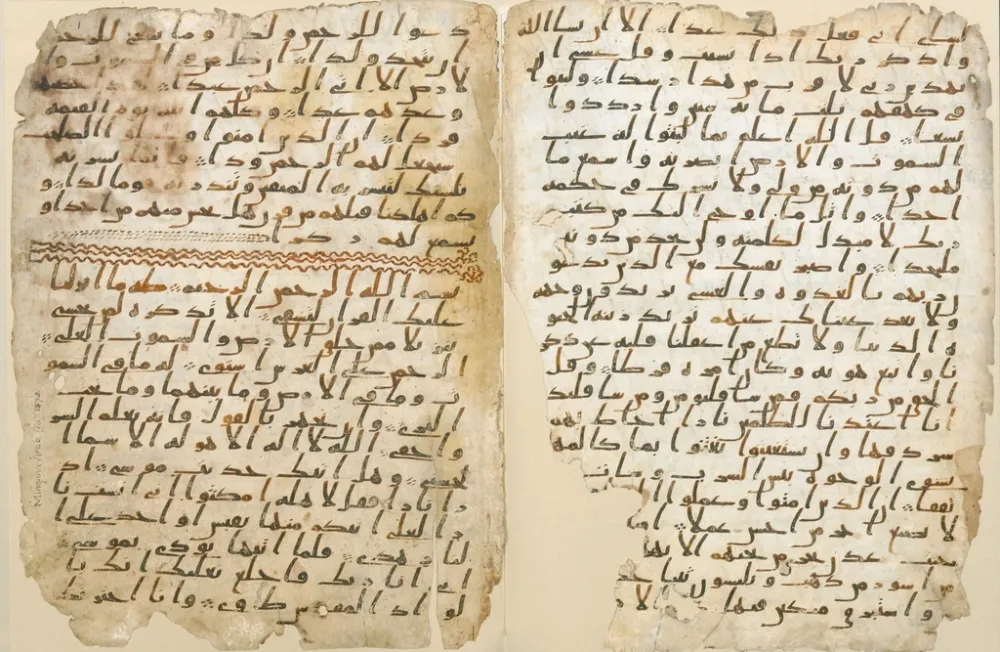
لهستانی و گرامر پیچیده آن
لهستانی یک زبان اسلاوی غربی با حدود ۴۵ میلیون سخنور بومی در لهستان و چندین میلیون نفر دیگر در جوامع پراکنده در سراسر اروپا، ایالات متحده و کانادا است. از الفبای لاتین استفاده میکند که با نه حرف که دارای علائم هستند گسترش یافته است: ą، ć، ę، ł، ń، ó، ś، ź و ż. اگر فونت PDF شامل این کاراکترها نباشد، آنها به صورت مربع خالی یا گلیف نادرست ظاهر میشوند. فونت خروجی مجموعه کامل کاراکترهای لهستانی را پوشش میدهد، بنابراین علائم به درستی در سند ترجمه شده نمایش داده میشوند.
گرامر لهستانی به شدت صرف میشود: اسمها، ضمایر و صفتها پایانههای خود را بر اساس هفت حالت دستوری (فاعلی، اضافه، داتی، مفعولی، ابزاری، مکانی و ندایی) تغییر میدهند. این بر هر عبارت اسمی در سند تأثیر میگذارد. همان کلمه میتواند بسته به نقش دستوری آن در هر جمله، در اشکال مختلفی ظاهر شود. ترجمه ماشینی کل سیستم حالت را مدیریت میکند و لهستانی طبیعی را تولید میکند که در آن پایانهها با عملکرد اسم در هر جمله مطابقت دارند به جای اینکه در یک فرم پیشفرض باقی بمانند.
اسنادی که مردم به و از لهستانی ترجمه میکنند
لهستان یکی از بزرگترین جمعیتهای مهاجر در اروپا را دارد، با جوامع بزرگ لهستانی در بریتانیا، آلمان، ایالات متحده و کانادا. این امر جریان مداومی از اسناد را ایجاد میکند که نیاز به جابجایی بین لهستانی و سایر زبانها دارند:
- اسناد شخصی برای جامعه بزرگ لهستانی در بریتانیا، ایالات متحده و آلمان (گواهی تولد، ازدواج، طلاق)
- اسناد حقوقی و محضری برای معاملات ملکی در لهستان
- درخواستهای مهاجرت برای اتباع لهستانی و اسناد آزادی جابجایی اتحادیه اروپا
- سوابق پزشکی برای لهستانیهایی که به دنبال درمان در خارج از کشور هستند و برای پزشکانی که اسناد لهستان را بررسی میکنند
- قراردادهای تجاری و اسناد شرکت برای نهادهایی که بین لهستان و اتحادیه اروپا فعالیت میکنند
- ریز نمرات تحصیلی برای دانشجویان لهستانی که در دانشگاههای خارجی ثبت نام میکنند
ترجمه ماشینی با هوش مصنوعی انتخاب عملی زمانی است که نیاز دارید یک سند را به سرعت بخوانید، آن را به صورت داخلی به اشتراک بگذارید، یا یک پیشنویس کاری را آماده کنید. اسنادی که به دادگاهها، ادارات دولتی، یا مقامات مهاجرت ارائه میشوند، معمولاً به ترجمه رسمی با اظهارنامه صحت مترجم نیاز دارند.
قیمت ترجمه PDF از انگلیسی به لهستانی
رایگان ثبتنام کنید، به ازای هر سند پرداخت کنید و با رشد نیازهای ترجمه خود، ارتقا دهید.
Free
برای ثبتنام نیازی به کارت اعتباری نیست
- ترجمه ماشینی با هزینه ۰.۰۰۵ دلار در هر کلمه
- ۱ دلار برای هر صفحه برای اسکنها و PDFهای تصویری
- ۱۰۸ زبان
- فایلهای تا ۲۰ مگابایت و ۲۰ صفحه
- DOCX، PDF، XLSX، PPTX، IDML، TXT، JPG، PNG و CSV
- فقط ذخیرهسازی فایل ۲۴ ساعته
- ویرایشگر PDF و مبدل PDF به DOCX
پایه
محبوبترینپرداخت هفتگی · هر زمان لغو کنید
پرداخت ماهانه
پرداخت یک بار در سال · 33% صرفهجویی کنید
- ترجمه هوش مصنوعی گنجانده شده هر ماه
- سپس 0.005 دلار در هر کلمه ترجمه هوش مصنوعی
- فایلها تا 100 مگابایت و 300 صفحه
- DOCX، PDF، XLSX، PPTX، IDML، TXT، JPG، PNG و CSV
- OCR برای اسناد اسکن شده
- ذخیرهسازی اسناد
- پشتیبانی اولویتدار
- 7 روز دوره آزمایشی رایگان در طرح ماهانه
- لغو در هر زمان
Pro
پرداخت ماهانه
پرداخت یک بار در سال · 34% صرفهجویی کنید
- ترجمه هوش مصنوعی گنجانده شده هر ماه
- سپس 0.004 دلار در هر کلمه ترجمه هوش مصنوعی
- فایلها تا 1 گیگابایت و 5000 صفحه
- DOCX، PDF، XLSX، PPTX، IDML، TXT، JPG، PNG و CSV
- واژهنامه
- صف اولویتدار
- 5 صندلی تیمی
- درخواستهای API · 1000 صفحه در ماه
- دسترسی MCP برای دستیاران هوش مصنوعی
- لغو در هر زمان
کسب و کار
پرداخت ماهانه
پرداخت یک بار در سال · 33% صرفهجویی کنید
- ترجمه هوش مصنوعی گنجانده شده هر ماه
- سپس 0.003 دلار در هر کلمه ترجمه هوش مصنوعی
- فایلها تا 1 گیگابایت و 5000 صفحه
- DOCX، PDF، XLSX، PPTX، IDML، TXT، JPG، PNG و CSV
- واژهنامه
- صف اولویتدار
- 15 صندلی تیمی
- درخواستهای API · 5000 صفحه در ماه
- دسترسی MCP برای دستیاران هوش مصنوعی
- لغو در هر زمان
سازمانی
به حجم بیشتری، صورتحساب یا توافق سفارشی نیاز دارید؟ برای طرح Enterprise با ما صحبت کنید.
چگونه PDF خود را به لهستانی ترجمه کنیم
ایجاد حساب رایگان
ثبت نام با ایمیل خود برای دسترسی به داشبورد ترجمه آنلاین.
فایل PDF خود را آپلود کنید
فایل خود را بکشید و رها کنید یا برای انتخاب آن مرور کنید. فایلهای تا 1 گیگابایت در طرحهای Pro و Business پشتیبانی میشوند.
لهستانی را به عنوان زبان مقصد انتخاب کنید
زبان اصلی PDF خود را انتخاب کرده و لهستانی را به عنوان زبان مقصد تنظیم کنید.
ترجمه و دانلود
روی «ترجمه» کلیک کنید و چند لحظه صبر کنید. PDF ترجمه شده شما با حفظ قالببندی، آماده دانلود به زبان لهستانی خواهد بود.
سوالات متداول ترجمه PDF لهستانی
آیا علائم لهستانی (ą, ę, ł, و غیره) در PDF ترجمه شده به درستی نمایش داده میشوند؟
بله. لهستانی دارای نه حرف است که از علائم نگارشی که در الفبای لاتین پایه یافت نمیشوند استفاده میکند. خروجی شامل فونتی است که همه آنها را دارد، بنابراین کاراکترهایی مانند ą، ć، ę، ł، ń، ó، ś، ź و ż به جای مربعهای خالی یا حروف جایگزین به درستی نمایش داده میشوند.
حالت دستوری لهستانی چگونه بر ترجمه تأثیر میگذارد؟
لهستانی دارای هفت حالت دستوری است که پایانههای اسم و صفت را در سراسر جمله تغییر میدهد. هوش مصنوعی پایان صحیح را برای هر زمینه دستوری اعمال میکند، بنابراین خروجی به جای استفاده از یک فرم ثابت برای هر نمونه از کلمه، طبیعی خوانده میشود.
آیا میتوانم از لهستانی به انگلیسی ترجمه کنم؟
بله. این جفت در هر دو جهت کار میکند.
جوامع دیاسپورای لهستانی بیشتر به چه اسنادی نیاز به ترجمه دارند؟
گواهی تولد، ازدواج و فوت برای اقدامات قانونی در انگلستان، ایالات متحده و آلمان؛ گواهی طلاق؛ اسناد مالکیت از لهستان؛ ریز نمرات تحصیلی؛ و سوابق پزشکی.
آیا ترجمه هوش مصنوعی برای اسناد محضری از لهستان مناسب است؟
برای مطالعه و استفاده داخلی، بله. اسناد محضری که به دادگاهها یا مقامات ارائه میشوند، معمولاً به ترجمه رسمی نیاز دارند. برای این موارد به ترجمه رسمی مراجعه کنید.
حجم PDF لهستانی که میتوانم آپلود کنم چقدر است؟
تا ۱ گیگابایت یا ۵۰۰۰ صفحه در طرحهای Pro و Business، ۱۰۰ مگابایت و ۳۰۰ صفحه در طرح Basic، و ۲۰ مگابایت و ۲۰ صفحه در طرح Free.
آیا DocTranslator کاراکتر ł را که شبیه "w" انگلیسی تلفظ میشود، پردازش میکند؟
بله. ł یک حرف مجزا در لهستانی است و در خروجی کاملاً پشتیبانی میشود. ترجمه در هر کجا که متن لهستانی به آن نیاز داشته باشد از ł (نه l ساده) استفاده میکند و فونت خروجی آن را به درستی نمایش میدهد.
امروز PDF خود را به لهستانی ترجمه کنید
DocTranslator علائم لهستانی، هفت حالت دستوری و فایلهای تا ۱ گیگابایت را مدیریت میکند، بنابراین سند ترجمه شده شما به طور طبیعی خوانده شده و به درستی نمایش داده میشود.
ابزارهای مرتبط
ترجمه PDF بر اساس زبان
انواع اسناد
شرکای ما