
ترجمه PDF به پنجابی
PDFها را به پنجابی با اسکریپت Gurmukhi که به درستی برای اسناد هندی رندر شده است و Shahmukhi Nastaliq که از راست به چپ رندر شده است برای اسناد پاکستانی تبدیل کنید. تمایزات لحنی، مورفولوژی پیوندی و توافق دو جنسیتی اسمها همگی مدیریت میشوند. فایلها تا 1 گیگابایت.
بارگذاری یا رها کردن سند برای ترجمه
حداکثر حجم فایل 1 GB
- تشخیص نوری کاراکتر برای اسکنها و عکسها
- ۱۰۸ زبان
- طرحبندی اصلی حفظ میشود
هنگام ترجمه PDF به پنجابی چه اتفاقی میافتد
پنجابی توسط بیش از 125 میلیون نفر صحبت میشود و آن را به پنجمین زبان پرگویش در جهان از نظر گویشوران بومی تبدیل میکند. این زبان رسمی ایالت پنجاب هند و یکی از زبانهای برنامهریزی شده قانون اساسی هند است که در آن با خط Gurmukhi نوشته میشود. در پاکستان، جایی که گویشوران پنجابی بزرگترین گروه زبانی را تشکیل میدهند، این زبان با Shahmukhi، نوعی از سبک خوشنویسی Nastaliq اسکریپت فارسی-عربی، نوشته میشود که از راست به چپ اجرا میشود. هنگامی که یک PDF را به پنجابی ترجمه میکنید، اولین سوال فنی این است که کدام شکل نوشتاری خروجی مورد نیاز است. Gurmukhi یک ابگیدای چپ به راست است که از خانواده برهمیک مشتق شده است. Shahmukhi یک ابجد راست به چپ در سنت اسکریپت عربی است. یک رندر کننده PDF باید منطق جهت متن، پشتههای فونت و محدودههای یونیکد کاملاً متفاوتی را بسته به اینکه کدام نوع نوشتاری مورد نیاز است، اعمال کند. ترکیب این دو در یک سند بدون علامتگذاری دوطرفه صحیح، خروجی درهم ریختهای تولید میکند که در هیچ یک از سنتها قابل خواندن نیست.
پنجابی همچنین یکی از معدود زبانهای با اسکریپت برهمیک است که لحنی است. این زبان دارای سه لحن متضاد است: سطح، صعودی و نزولی. برخلاف زبانهایی که لحنها را با نمادهای دیگرافیک قرار داده شده در بالا یا زیر حرف صدادار مشخص میکنند، پنجابی لحن را از طریق حضور یا عدم حضور برخی حروف بیصدا، به ویژه به اصطلاح حروف بیصدای لحنی h، g و d، بیان میکند که در زبان گفتاری مدرن ارزش بیصدای خود را از دست دادهاند اما هنوز در املا برای نشان دادن لحن هجایی که به آن متصل هستند ظاهر میشوند. یک موتور ترجمه که پنجابی را به عنوان یک زبان غیر لحنی در نظر میگیرد و این حروف بیصدا را حذف یا جابجا میکند، متنی تولید میکند که خواننده بومی آن را با لحن اشتباه میشنود، معنا را تغییر میدهد و اسناد رسمی را نادرست جلوه میدهد. این سیستم لحنی در میان زبانهایی که از اسکریپتهای مشتق شده از برهمیک استفاده میکنند منحصر به فرد است و به جای مدلهای وام گرفته شده از زبانهای همسایه که از نظر گرامری مشابه اما غیر لحنی هستند، به دادههای آموزشی خاص پنجابی نیاز دارد.
در سطح گرامری، پنجابی یک زبان فاعل-مفعول-فعل با مورفولوژی پیوندی، دو جنس دستوری (مذکر و مؤنث) و بدون حروف تعریف معین یا نامعین است. اسمها بر اساس جنس و تعداد صرف میشوند و صفتها با اسمهای سر خود مطابقت دارند. از آنجایی که حروف تعریف وجود ندارد، متن ترجمه شده فشردهتر از منبع انگلیسی خواهد بود اما همچنان به علامتگذاری توافق صحیح نیاز دارد. جوامع دیاسپورا زمینه بیشتری را اضافه میکنند: بیش از 800,000 گویشور پنجابی در بریتانیا (عمدتاً در بیرمنگام، کاونتری و بخشهایی از لندن)، بیش از 500,000 نفر در کانادا (عمدتاً در مناطق بزرگ ونکوور و تورنتو) و حدود 250,000 نفر در ایالات متحده زندگی میکنند. این جوامع تقاضای قابل توجهی برای ترجمه فرمهای مهاجرت، اسناد مدنی و مدارک سازمانهای اجتماعی بین پنجابی و انگلیسی ایجاد میکنند.
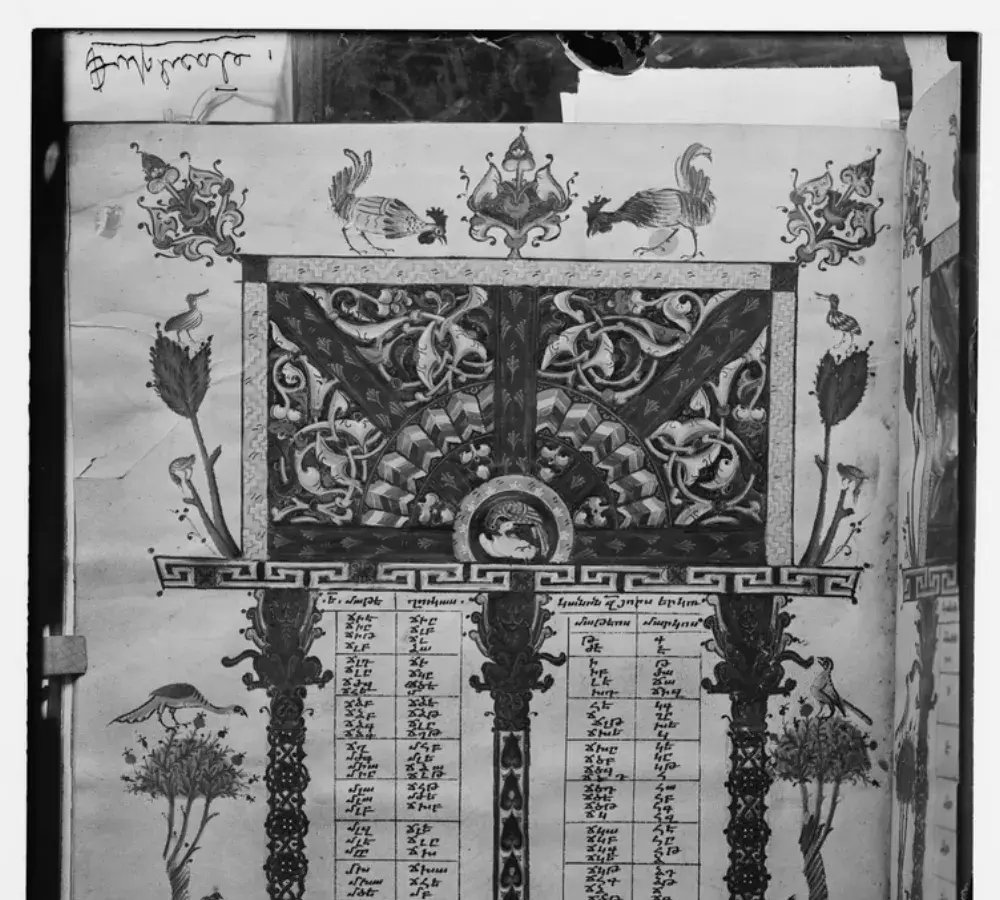
Gurmukhi، Shahmukhi و سنت Gurbani سیک
اسکریپت Gurmukhi در قرن شانزدهم توسط گورو Angad Dev Ji استاندارد شد و اسکریپتی است که در آن Sri Guru Granth Sahib، کتاب مقدس اصلی مذهب سیک، نوشته شده است. نام Gurmukhi به معنی "از دهان گورو" است. از آنجایی که گورو گرانت صاحب منحصراً به زبان Gurmukhi نوشته شده و برای عمل مذهبی سیک در سراسر جهان مرکزی است، حجم زیادی از متن پنجابی به زبان Gurmukhi وجود دارد که اهمیت مذهبی خاصی دارد تا اهمیت اداری یا تجاری. متون Gurbani، سرودها و اسناد تفسیری به صورت PDF توزیع شده به جوامع سیک در سراسر بریتانیا، کانادا، ایالات متحده و استرالیا ظاهر میشوند. ترجمه اینها به انگلیسی یا از تفسیر انگلیسی به پنجابی نیازمند مدیریت ثبت مذهبی زبان است که از نظر واژگان و لحن با پنجابی اداری روزمره متفاوت است.
اسناد پنجابی پاکستانی از Shahmukhi استفاده میکنند که مجموعه حروف خود را از الفبای اردو Nastaliq با چند حرف اضافی برای نمایش صداهای پنجابی که در اردو یا عربی وجود ندارند، میگیرد. از آنجایی که اردو زبان رسمی پاکستان است و پنجابی در پاکستان استاندارد نوشتاری رسمی ندارد، Shahmukhi فاقد درجه نرمالسازی است که Gurmukhi در هند دارد. اسناد دولتی در پنجاب پاکستان اغلب به زبان اردو هستند، حتی اگر پنجابی زبان مادری اکثر جمعیت باشد، به این معنی که PDFهای به زبان پنجابی از پاکستان تمایل به غیررسمی، ادبی یا اداری منطقهای دارند تا اسناد دولتی مرکزی. این بر سطح واژگان و درجه استانداردسازی اسکریپت که یک موتور ترجمه میتواند به آن تکیه کند، تأثیر میگذارد.
اسنادی که مردم بین انگلیسی و پنجابی ترجمه میکنند
دیاسپورای بزرگ پنجابی زبان در بریتانیا، کانادا و ایالات متحده، همراه با مهاجرت مداوم از هر دو طرف هندی و پاکستانی پنجاب، تقاضای مداومی برای ترجمه اسناد در هر دو جهت ایجاد میکند. رایجترین انواع اسناد عبارتند از:
- اسناد مهاجرت پنجابی هند شامل کارتهای Aadhaar، کارتهای جیره و گواهیهای اقامت صادر شده توسط دولت ایالتی پنجاب برای درخواستهای ویزا و مهاجرت
- متون Gurbani سیک و اسناد سازمانهای اجتماعی به زبان Gurmukhi که در بین گوردواراهای دیاسپورا در بریتانیا، کانادا و ایالات متحده توزیع شده است
- گواهیهای تولد، گواهیهای ازدواج و گواهیهای فوت از هر دو پنجاب هند و پنجاب پاکستان برای استفاده در پروندههای حمایت خانواده و مهاجرت
- اسناد دولتی پاکستانی و سوابق زمین به زبان Shahmukhi یا اردو با محتوای پنجابی برای اعضای دیاسپورا که مسائل ارث یا ملک را پردازش میکنند
- مدارک مهاجرت کانادا برای متقاضیان پنجابی زبان که نیاز به ترجمه اسناد پشتیبان از پنجاب هند برای ارسال به IRCC دارند
- ریز نمرات تحصیلی و دیپلم از دانشگاه پنجاب (پاتیالا) و سایر دانشگاههای پنجاب هند برای شناخت مدارک در کانادا، بریتانیا و استرالیا
ترجمه هوش مصنوعی یک پیشنویس کاری قابل اعتماد تولید میکند و برای درک سریع محتوای یک PDF به زبان پنجابی مفید است. برای ارسالهای رسمی به مقامات مهاجرت مانند USCIS، UKVI یا IRCC، به یک ترجمه رسمی که توسط یک مترجم انسانی واجد شرایط بازبینی و امضا شده باشد، نیاز است. اگر در حال آمادهسازی اسناد برای پرونده مهاجرت به ایالات متحده هستید، قبل از تصمیمگیری در مورد اینکه آیا پیشنویس هوش مصنوعی برای هدف شما کافی است، الزامات را در خدمات ترجمه USCIS بررسی کنید.
قیمت ترجمه PDF پنجابی
رایگان ثبتنام کنید، به ازای هر سند پرداخت کنید و با رشد نیازهای ترجمه خود، ارتقا دهید.
Free
برای ثبتنام نیازی به کارت اعتباری نیست
- ترجمه ماشینی با هزینه ۰.۰۰۵ دلار در هر کلمه
- ۱ دلار برای هر صفحه برای اسکنها و PDFهای تصویری
- ۱۰۸ زبان
- فایلهای تا ۲۰ مگابایت و ۲۰ صفحه
- DOCX، PDF، XLSX، PPTX، IDML، TXT، JPG، PNG و CSV
- فقط ذخیرهسازی فایل ۲۴ ساعته
- ویرایشگر PDF و مبدل PDF به DOCX
پایه
محبوبترینپرداخت هفتگی · هر زمان لغو کنید
پرداخت ماهانه
پرداخت یک بار در سال · 33% صرفهجویی کنید
- ترجمه هوش مصنوعی گنجانده شده هر ماه
- سپس 0.005 دلار در هر کلمه ترجمه هوش مصنوعی
- فایلها تا 100 مگابایت و 300 صفحه
- DOCX، PDF، XLSX، PPTX، IDML، TXT، JPG، PNG و CSV
- OCR برای اسناد اسکن شده
- ذخیرهسازی اسناد
- پشتیبانی اولویتدار
- 7 روز دوره آزمایشی رایگان در طرح ماهانه
- لغو در هر زمان
Pro
پرداخت ماهانه
پرداخت یک بار در سال · 34% صرفهجویی کنید
- ترجمه هوش مصنوعی گنجانده شده هر ماه
- سپس 0.004 دلار در هر کلمه ترجمه هوش مصنوعی
- فایلها تا 1 گیگابایت و 5000 صفحه
- DOCX، PDF، XLSX، PPTX، IDML، TXT، JPG، PNG و CSV
- واژهنامه
- صف اولویتدار
- 5 صندلی تیمی
- درخواستهای API · 1000 صفحه در ماه
- دسترسی MCP برای دستیاران هوش مصنوعی
- لغو در هر زمان
کسب و کار
پرداخت ماهانه
پرداخت یک بار در سال · 33% صرفهجویی کنید
- ترجمه هوش مصنوعی گنجانده شده هر ماه
- سپس 0.003 دلار در هر کلمه ترجمه هوش مصنوعی
- فایلها تا 1 گیگابایت و 5000 صفحه
- DOCX، PDF، XLSX، PPTX، IDML، TXT، JPG، PNG و CSV
- واژهنامه
- صف اولویتدار
- 15 صندلی تیمی
- درخواستهای API · 5000 صفحه در ماه
- دسترسی MCP برای دستیاران هوش مصنوعی
- لغو در هر زمان
سازمانی
به حجم بیشتری، صورتحساب یا توافق سفارشی نیاز دارید؟ برای طرح Enterprise با ما صحبت کنید.
چگونه PDF خود را به پنجابی ترجمه کنیم
ایجاد حساب رایگان
ثبت نام با ایمیل خود برای دسترسی به داشبورد ترجمه آنلاین.
فایل PDF خود را آپلود کنید
فایل خود را بکشید و رها کنید یا برای انتخاب آن مرور کنید. فایلهای تا 1 گیگابایت در طرحهای Pro و Business پشتیبانی میشوند.
پنجابی را به عنوان زبان مقصد انتخاب کنید
زبان مبدأ PDF خود را انتخاب کرده و پنجابی را به عنوان زبان مقصد تنظیم کنید. خروجی از اسکریپت Gurmukhi برای پنجابی هند استفاده خواهد کرد، با قرارگیری صحیح حروف بیصدای لحنی و مورفولوژی پیوندی در سراسر متن.
ترجمه و دانلود
روی «ترجمه» کلیک کنید و چند لحظه صبر کنید. PDF ترجمه شده شما با حفظ طرحبندی اصلی آماده دانلود خواهد بود.
سوالات متداول ترجمه PDF پنجابی
PDF ترجمه شده از کدام خط پنجابی استفاده خواهد کرد، گورموکھی یا شاهموکھی؟
DocTranslator پنجابی هندی را با خط گورموکھی خروجی میدهد که شکل نوشتاری استاندارد مورد استفاده در ایالت پنجاب هند و برای متون مذهبی سیک در سراسر جهان است. گورموکھی یک ابگیدای چپ به راست در خانواده براهمی است، با یک بلوک یونیکد تثبیت شده (U+0A00 تا U+0A7F). شاهموکھی، شکل خط فارسی-عربی راست به چپ مورد استفاده در پنجاب پاکستان، به محدوده یونیکد متفاوتی و جهت متن دوطرفه نیاز دارد. اگر به خروجی شاهموکھی نیاز دارید، هنگام انتخاب تنظیمات زبان هدف خود این را مشخص کنید و قبل از توزیع سند، رندر جهت را در نمایشگر PDF خود تأیید کنید.
گرامر پنجابی چگونه بر دقت PDF ترجمه شده تأثیر میگذارد؟
پنجابی یک زبان فاعل-مفعول-فعل با ریختشناسی التصاقی و دو جنس دستوری: مذکر و مؤنث است. اسمها بر اساس جنسیت و تعداد صرف میشوند و صفتها باید با اسمهایی که توصیف میکنند مطابقت داشته باشند. هیچ حرف تعریف معین یا نامعینی وجود ندارد، بنابراین متن ترجمه شده از نظر ساختاری فشردهتر از منبع انگلیسی است اما نیاز به علامتگذاری صحیح تطابق جنسیتی در سراسر متن دارد. مدلهای هوش مصنوعی که بر روی متن قابل توجهی از پنجابی آموزش دیدهاند، این الگوها را برای انواع اسناد استاندارد مانند فرمهای مهاجرت، اسناد هویتی و مکاتبات تجاری به خوبی مدیریت میکنند.
چگونه زبان پنجابی که یک زبان نغمهای است بر ترجمه تأثیر میگذارد؟
پنجابی در میان زبانهای با خط براهمی از نظر لحن منحصر به فرد است. این زبان دارای سه لحن متضاد است: سطح، صعودی و نزولی. این لحنها با نمادهای جداگانه علامتگذاری نمیشوند، بلکه از طریق وجود حروف خاص صامت که صدای صامت خود را در گفتار مدرن از دست دادهاند اما در نوشتار به عنوان نشانههای لحن باقی ماندهاند، در املا رمزگذاری میشوند. یک مدل ترجمه که این را در نظر نگیرد، این حروف را به اشتباه قرار میدهد یا حذف میکند و متنی تولید میکند که خواننده بومی آن را از نظر لحن نادرست میشنود، که میتواند معنا را تغییر دهد و اسناد رسمی را غیرطبیعی جلوه دهد. این یکی از دلایلی است که دادههای آموزشی مخصوص پنجابی بیش از قرض گرفتن مدلها از زبانهای همسایه اهمیت دارد.
کدام اسناد پنجابی معمولاً برای مقاصد مهاجرت ترجمه میشوند؟
رایجترین اسناد ترجمه شده، اسناد ایالت پنجاب هند هستند: کارتهای Aadhaar، کارتهای جیره، گواهیهای اقامت، گواهیهای تولد و ازدواج، و ریز نمرات تحصیلی از دانشگاه پنجاب یا سایر دانشگاههای پنجاب. متقاضیان مهاجرت کانادا (IRCC) و متقاضیان مهاجرت ایالات متحده (USCIS) اغلب به این موارد برای دادخواستهای حمایت خانواده نیاز دارند. برای ارسالهای رسمی دولتی، به جای پیشنویس تولید شده توسط هوش مصنوعی، به ترجمه رسمی نیاز است. DocTranslator یک پیشنویس کاری قابل اعتماد تولید میکند که سپس یک مترجم رسمی میتواند آن را بازبینی و گواهی کند.
اندازه یک فایل PDF پنجابی که میتوانم ترجمه کنم چقدر است و آیا گزینه آزمایشی وجود دارد؟
طرحهای Pro و Business از فایلهایی تا ۱ گیگابایت یا ۵۰۰۰ صفحه پشتیبانی میکنند، که حتی طولانیترین سوابق زمین، رونوشتهای دادگاه، یا متون مذهبی را پوشش میدهد؛ طرح Basic تا ۱۰۰ مگابایت و ۳۰۰ صفحه، و طرح Free تا ۲۰ مگابایت و ۲۰ صفحه را میپذیرد. دوره آزمایشی رایگان ۷ روزه فقط برای طرح ماهانه Basic وجود دارد و نیاز به کارت دارد. بدون آن، یک سند کوتاه در طرح Free، از ۰.۹۹ دلار، برای تأیید اینکه رندر Gurmukhi، قرارگیری صامتهای تندار، و حفظ طرحبندی به درستی روی فایل خاص شما کار میکنند، کافی است.
آیا میتوانم از پنجابی به انگلیسی و همچنین از انگلیسی به پنجابی ترجمه کنم؟
بله. جفت پنجابی-انگلیسی در هر دو جهت کار میکند. ترجمه یک PDF به زبان پنجابی به انگلیسی برای اعضای دیاسپورا که اسناد را با کارفرمایان، صاحبخانهها یا مقامات غیر پنجابیزبان در بریتانیا، کانادا و ایالات متحده به اشتراک میگذارند، رایج است. همچنین توسط متخصصان حقوقی و مهاجرت که اسناد پشتیبان ارائه شده توسط مشتریان پنجابیزبان را میخوانند، استفاده میشود. جهت معکوس، انگلیسی به پنجابی، برای ترجمه اطلاعات جامعه، راهنماییهای دولتی و نامههای رسمی به پنجابی برای توزیع در میان جوامع دیاسپورا استفاده میشود.
چگونه باید متون گُربانی سیک یا فایلهای PDF مذهبی به گُرمُکهی را مدیریت کنم؟
متون گُربانی، از جمله گزیدههایی از سری گُرو گرانت صاحب و تفاسیر مذهبی مرتبط، از یک سبک رسمی و کهن پنجابی استفاده میکنند که به طور قابل توجهی با پنجابی اداری یا محاورهای مدرن متفاوت است. واژگان، اشکال فعل و ساختارهای دستوری مورد استفاده در شعر گُربانی همیشه در دادههای آموزشی معاصر وجود ندارند. ترجمه هوش مصنوعی میتواند درک کاری مفیدی از محتوا ارائه دهد، اما ظرافت مذهبی و عبادی گُربانی نیازمند مترجم انسانی با دانش تخصصی در مورد کتاب مقدس سیک است. DocTranslator برای فایلهای PDF پنجابی اداری، حقوقی و اطلاعاتی مدرن بهتر از متون مذهبی کلاسیک استفاده میشود.
امروز PDF خود را به پنجابی ترجمه کنید
DocTranslator PDFها را به صورت آنلاین به پنجابی تبدیل میکند، اسکریپت Gurmukhi را با قرارگیری صحیح حروف بیصدای لحنی حفظ شده رندر میکند، از فایلهایی تا حجم 1 گیگابایت پشتیبانی میکند و طرحبندی سند اصلی شما را دست نخورده نگه میدارد.
ابزارهای مرتبط
ترجمه PDF بر اساس زبان
انواع اسناد
شرکای ما