
PDF fordítása horvátra
Konvertálja a PDF-eket horvátra az összes diakritikus karakter helyes megjelenítésével: c éles ékezettel (ch hang), s éles ékezettel (sh hang), z éles ékezettel (zh hang), d vonallal (dj hang), és mindkét c változat. Az elrendezés és a formázás megmarad. Fájlok akár 1 GB-ig.
Töltse fel vagy húzza ide a dokumentumot a fordításhoz
Max. fájlméret 1 GB
- OCR beolvasott dokumentumokhoz és fotókhoz
- 108 nyelv
- Eredeti elrendezés megőrizve
Mi történik, amikor egy PDF-et horvátra fordít
A horvát nyelv kizárólag a latin ábécét használja, ami megkülönbözteti a hasonló dél-szláv nyelvektől, mint például a szerb, amely mind a cirill, mind a latin ábécét használja. Míg az ábécéválasztás leegyszerűsíti a PDF-megjelenítés bizonyos aspektusait, a horvát nyelvnek öt diakritikus karaktere van, amelyek gyakori megjelenítési hibákat okoznak a konvertált dokumentumokban. Ezek a karakterek: c éles ékezettel (kiejtése, mint a "church" szóban a ch), s éles ékezettel (sh hang), z éles ékezettel (zh hang, mint a "measure" szóban), d vonallal (dj hang), és két különböző c: az alap c (ts hang) és az ékezetes c (puha c hang). Sok PDF exportálási folyamat és betűkészlet-helyettesítési rutin teljesen elhagyja a diakritikusokat, vagy helyettesíti őket az alapbetűvel, így olvasható, de technikailag helytelen szöveget eredményez, amely nem felel meg a horvát nyelvű rendszerek helyesírás-ellenőrzésének, keresésének és rendezésének. A DocTranslator a lefordított kimenet során megőrzi mind az öt diakritikus formát.
A horvát nyelvtan jelentős strukturális követelményeket támaszt minden fordítási rendszerrel szemben. A nyelvnek hét nyelvtani esete van: nominatív, genitív, datív, akuzatív, vokativ, lokatív és instrumentális. Három nyelvtani neme van: hímnem, nőnem és semlegesnem. A főnevek, melléknevek, névmások és számok mindegyike ragozódik esetre és nemre, ami azt jelenti, hogy egyetlen főnév tucatnyi vagy több különböző alakot vehet fel attól függően, hogy milyen szerepet tölt be a mondatban, hogy megelőzi-e melléknév, és hogy egyes vagy többes számú-e. A horvát nyelvnek van egy alapos aspektusrendszere is: szinte minden ige két alakban létezik, befejezett és befejezetlen, amelyek azt fejezik ki, hogy a cselekvés befejezett vagy folyamatban van-e. Ez a két aspektus nem cserélhető fel, és a rossz kiválasztása olyan mondatokat eredményez, amelyek nyelvtanilag helyesek, de szemantikailag helytelenek. A horvát nyelven képzett AI fordítási modellek a legtöbb dokumentumkontextusban helyesen kezelik az aspektust, de a műszaki és jogi szövegek gondos áttekintést igényelnek.
A horvát nyelvet körülbelül 5,5 millió ember beszéli. A fő koncentráció magában Horvátországban van, mintegy 3,9 millió beszélővel, és Bosznia-Hercegovinában, ahol a horvát az egyik hivatalos nyelv. Horvátország 2013-ban csatlakozott az Európai Unióhoz, így a horvát lett az EU hivatalos nyelve, teljes státusszal a jogi és közigazgatási dokumentumok számára az EU intézményeinél. Jelentős diaszpóra közösségek élnek Németországban, Ausztriában, az Egyesült Államokban, Chilében és Ausztráliában. A németországi és ausztriai horvát diaszpóra különösen nagy, ami az 1960-as évektől kezdődő munkaerő-migrációs mintákat tükrözi, és folyamatos igényt generál a horvát anyakönyvi kivonatok, ingatlan-nyilvántartások és munkaszerződések németre fordítására.
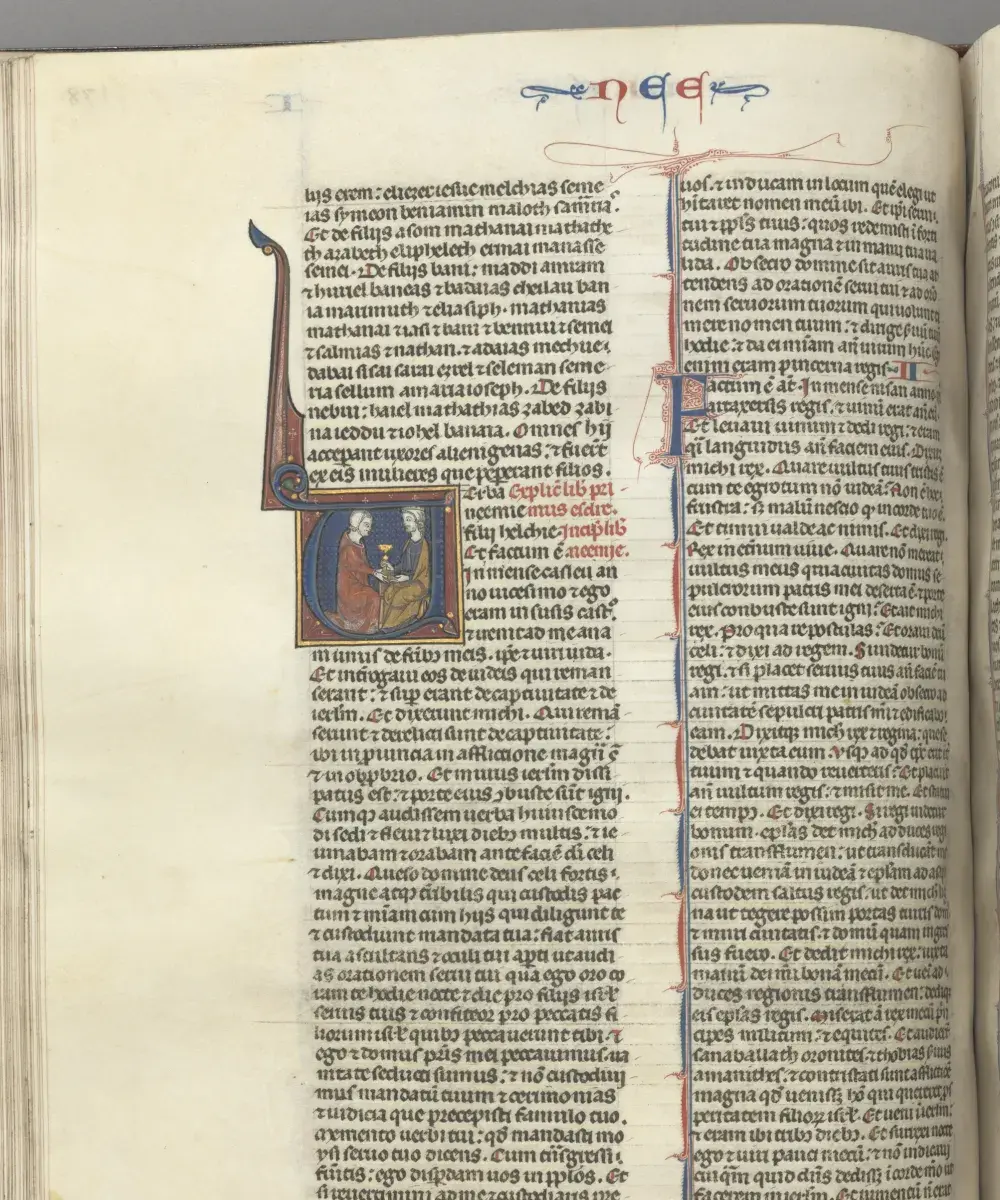
A horvát nyelv és a glagolita írás hagyománya
A horvát nyelvnek a 16. századig nyúlik vissza irodalmi hagyománya, amikor megjelentek az első nyomtatott horvát könyvek. Mielőtt a latin ábécét szabványosították volna a horvát nyelvhez, a nyelvet glagolita írással is írták, egy ősi írásrendszerrel, amelyet a horvát papok és szerzetesek használtak a liturgikus szövegekhez az Adriai-tenger partján a 9. századtól kezdve. Horvátország azon kevés helyek egyike a világon, ahol a glagolita írás a 19. századig folyamatosan használatban volt, és ma is a horvát kulturális identitás részeként ünneplik. A glagolita feliratok nyilvános emlékműveken jelennek meg, és az írás a horvát írott kultúra megkülönböztetésének szimbóluma a tágabb szláv világon belül.
A modern dokumentumok esetében a horvát nyelvet kizárólag a latin ábécével írják, és a nyelvnek erős purista nyelvi hagyománya van, amely megkülönbözteti a szerbtől. A horvát szókincs szisztematikusan a hazai szláv konstrukciókat részesíti előnyben a nemzetközi jövevényszavakkal szemben. A "repülőgép" szó horvátul "zrakoplov" (szó szerint: "levegő-vitorlázó"), míg a szerb az "avion" nemzetközi formát használja. Ez a szókincsbeli eltérés azt jelenti, hogy a fordítási eszközöknek horvát specifikus lexikai modelleket kell használniuk a generikus dél-szláv erőforrások helyett, különben a kimenet olyan regiszterek keverékének fog tűnni, amelyet a hazai beszélők azonnal természetellenesnek ismernek fel. A horvát EU-útlevelek és személyi okmányok, az adriai tengerparti ingatlan-nyilvántartások és a Zágrábi Egyetem diplomái mind a hivatalos horvát szabvány szókincset követik.
Dokumentumok, amelyeket az emberek angol és horvát között fordítanak
Horvátország EU-tagsága, nagy diaszpórája a német nyelvű országokban és tengerparti ingatlanpiaca változatos és folyamatos igényt teremtenek a horvát dokumentumfordításra. A leggyakoribb dokumentumtípusok a következők:
- Horvát EU-útlevelek és nemzeti személyi igazolványok, amelyeket németországi, ausztriai és más EU-tagállamokban történő lakcímbejelentéshez nyújtanak be
- Adriai ingatlan dokumentumok, beleértve a földkönyvi kivonatokat és a vásárlási szerződéseket külföldi vásárlók számára, akik tengerparti ingatlant vásárolnak Dalmáciában és Isztriában
- Zágrábi Egyetem és más horvát felsőoktatási intézmények diplomái és bizonyítványai az EU-országokban és az Egyesült Államokban történő elismeréshez
- Születési anyakönyvi kivonatok, házassági anyakönyvi kivonatok és anyakönyvi nyilvántartások a horvát diaszpóra számára Németországban, Ausztriában, Chilében és az Egyesült Államokban
- Munkaszerződések és fizetési kimutatások horvát állampolgárok számára, akik külföldön dolgoznak, vagy külföldi cégek számára, amelyek Horvátországban alkalmaznak
- Orvosi jelentések és kórházi zárójelentések horvát betegek számára, akik külföldön keresnek kezelést, vagy horvát intézményekben kezelt külföldi állampolgárok számára
Az AI fordítás hatékony a horvát PDF-ek tartalmának megértéséhez vagy a munkaverziók áttekintésre való előkészítéséhez. A bevándorlási hatóságok, bíróságok vagy kormányzati hivatalok felé történő hivatalos benyújtások általában hitelesített fordítást igényelnek, amelyet egy képzett emberi fordító ellenőrzött és írt alá. Az Egyesült Államokban élő horvát diaszpóra tagjainak, akik horvát dokumentumokat kívánnak benyújtani a bevándorlási hatóságoknak, az AI által generált tervezet benyújtása előtt konzultálniuk kell a USCIS fordítási követelményeivel.
PDF-ből horvátra fordítási árak
Regisztráljon ingyenesen, fizessen dokumentumonként, és frissítsen, ahogy fordítási igényei növekednek.
Free
Nincs szükség kártyára a regisztrációhoz
- 0,005 $/szó AI fordítás
- 1 dollár oldalanként a beolvasott és kép PDF-ek esetében
- 108 nyelv
- 20 MB és 20 oldal méretű fájlokig
- DOCX, PDF, XLSX, PPTX, IDML, TXT, JPG, PNG és CSV
- Csak 24 órás fájltárolás
- PDF szerkesztő és PDF-ből DOCX konverter
Alap
LegnépszerűbbHetente számlázva · bármikor lemondható
Havi számlázás
Évente egyszeri számlázás · 33% megtakarítás
- AI fordítás havonta
- Majd 0,005 USD/szó AI fordítás
- Fájlok 100 MB-ig és 300 oldalig
- DOCX, PDF, XLSX, PPTX, IDML, TXT, JPG, PNG és CSV
- OCR beolvasott dokumentumokhoz
- Dokumentumtárolás
- Elsőbbségi támogatás
- 7 napos ingyenes próbaidőszak a havi csomagban
- Bármikor lemondható
Pro
Havi számlázás
Évente egyszeri számlázás · 34% megtakarítás
- AI fordítás havonta
- Majd 0,004 USD/szó AI fordítás
- Fájlok 1 GB-ig és 5000 oldalig
- DOCX, PDF, XLSX, PPTX, IDML, TXT, JPG, PNG és CSV
- Szószedet
- Prioritás sor
- 5 csapattag
- API kérések · 1000 oldal havonta
- MCP hozzáférés AI asszisztensekhez
- Bármikor lemondható
Üzleti
Havi számlázás
Évente egyszeri számlázás · 33% megtakarítás
- AI fordítás havonta
- Majd 0,003 USD/szó AI fordítás
- Fájlok 1 GB-ig és 5000 oldalig
- DOCX, PDF, XLSX, PPTX, IDML, TXT, JPG, PNG és CSV
- Szószedet
- Prioritás sor
- 15 csapattag
- API kérések · 5000 oldal havonta
- MCP hozzáférés AI asszisztensekhez
- Bármikor lemondható
Vállalati
Több mennyiségre, számlázásra vagy egyedi megállapodásra van szüksége? Beszéljen velünk az Enterprise csomagról.
Hogyan fordítsuk le PDF-ünket horvátra
Hozzon létre ingyenes fiókot
Regisztráljon e-mail címével, hogy hozzáférjen az online fordítási irányítópulthoz.
Töltse fel PDF fájlját
Húzza és ejtse ide a fájlt, vagy böngésszen a kiválasztáshoz. Az 1 GB-ig terjedő fájlokat a Pro és az Üzleti csomagok támogatják.
Válassza a horvátot célnyelvként
Válassza ki a PDF eredeti nyelvét, és állítsa be a horvátot célnyelvként. A kimenet tartalmazza az összes horvát diakritikus karaktert, a helyes purista szókincset és a megfelelően ragozott esetvégeket.
Fordítás és letöltés
Kattintson a "Fordítás" gombra, és várjon néhány pillanatot. A lefordított PDF horvát nyelven letölthető lesz, az eredeti elrendezés megőrzésével.
PDF-ből horvátra fordítás GYIK
A horvát diakritikus karakterek helyesen jelennek meg a lefordított PDF-ben?
Igen. A horvát nyelvben öt diakritikus karakter található, amelyek nem szerepelnek az alaplatin ábécében: c karonnal (a 'cs' hang), s karonnal (sh), z karonnal (zh), d vonallal (dj), és c éles ékezettel (egy puha 'c', amely eltér a sima 'c'-től). A PDF exportálási folyamatok gyakran elhagyják ezeket a diakritikus jeleket, vagy helyettesítik az alapbetűvel, olyan szöveget eredményezve, amely szinte helyesnek tűnik, de megbukik a horvát helyesírás-ellenőrzésen, keresésen és rendezésen. A DocTranslator az összes öt karakterre vonatkozóan a megfelelő Unicode kódpontokat adja ki a lefordított fájlban.
Hogyan befolyásolják a horvát nyelv hét esetének rendszere a fordítás minőségét?
A horvát nyelvnek hét nyelvtani esete van: alanyeset, birtokos eset, részes eset, tárgyeset, megszólító eset, helyhatározó eset és eszközhatározó eset. A főnevek, melléknevek, névmások és számnevek mind ragozódnak eset, nem (hímnem, nőnem, semlegesnem) és szám szerint. Egyetlen főnév több tucat felszíni formában jelenhet meg, a nyelvtani szerepétől függően. A horvát nyelven képzett AI modellek jól kezelik ezeket a ragozásokat a szokásos dokumentumtípusok, például szerződések, bizonyítványok és jelentések esetében. A rendkívül technikai vagy jogi szövegek emberi felülvizsgálatot igényelhetnek annak megerősítésére, hogy az esetragok minden kifejezésben helyesek.
A DocTranslator horvát specifikus szókincset használ, nem pedig általános délszláv formákat?
Igen. A horvát nyelvnek erős nyelvpolitikai hagyománya van, amely megkülönbözteti szókincsét a szerbtől. A horvát nyelv őshonos szláv szerkezeteket használ, míg a szerb és a bosnyák gyakran nemzetközi jövevényszavakat. A „zrakoplov” (repülőgép), „racunalo” (számítógép) és „brzoglas” (telefon) példák horvát specifikus kifejezésekre, amelyeket egy minden három szabványt összekeverő délszláv modell rosszul kezelne. A DocTranslator a horvát nyelvet különálló célnyelvként kezeli, saját lexikai profillal, nem pedig egy megosztott szerb-horvát modellel.
Milyen horvát dokumentumokra van leggyakrabban szükség hivatalos célokra?
A leggyakrabban fordított horvát dokumentumok az EU-útlevelek és nemzeti személyi igazolványok, születési és házassági anyakönyvi kivonatok, adriai ingatlan vásárlási szerződések és földkönyvi kivonatok, Zágrábi Egyetem és más horvát egyetemi diplomák, valamint munkaszerződések. Bevándorlási hatóságok vagy bíróságok felé történő benyújtás esetén az AI által generált tervezet helyett hitelesített fordításra van szükség, fordítói nyilatkozattal.
Mekkora horvát PDF-et tudok fordítani, és mennyibe kerül az első dokumentum?
A Pro és Business csomagok 1 GB-ig és 5000 oldalig terjedő fájlokat támogatnak. A Basic 100 MB-ban és 300 oldalon, a Free pedig 20 MB-ban és 20 oldalon áll meg. A Free csomagon az első dokumentumot külön fizeti meg 0,005 dollár szónként, minimum 0,99 dollárral, így egy rövid minta lehetővé teszi annak ellenőrzését, hogy a horvát ékezetek, ragozási végződések és az elrendezés helyesen kezelődnek-e, mielőtt feltöltene egy teljes dokumentumot, például egy ingatlan szerződést vagy egyetemi leckenyilvántartást.
Fordíthatok horvátból angolra, valamint angolból horvátra?
Igen. A horvát-angol pár mindkét irányban működik. Horvát PDF angolra fordítása gyakori a horvát diaszpóra tagjai körében, akik dokumentumokat osztanak meg nem horvátul beszélő munkaadókkal vagy hatóságokkal Németországban, Ausztriában, az Egyesült Államokban, Chilében vagy Ausztráliában. Angol PDF-ek horvátra fordítása gyakori a horvátországi működő külföldi cégek, az adriai tengerparti ingatlanokat vásárló külföldi vevők és az összes EU-s nyelven anyagokat kiadó nemzetközi szervezetek számára.
Milyen jelentősége van a glagolita írásnak a horvát dokumentumtörténetben?
A glagolita egy ősi szláv írásrendszer, amelyet horvát papok és szerzetesek használtak liturgikus és jogi szövegekhez az Adriai-tenger partján a 9. századtól a 19. századig. Különbözik mind a cirill, mind a latin írástól. A glagolita írású történelmi horvát dokumentumok speciális paleográfiai szakértelmet igényelnek, és nem dolgozhatók fel szabványos OCR vagy automatizált fordítási eszközökkel. A DocTranslator a modern, latin betűs horvát nyelvhez készült. A történelmi glagolita dokumentumok speciális emberi átírást igényelnek, mielőtt bármilyen fordítási munka megkezdődhetne.
Fordítsa le PDF-jét horvátra még ma
A DocTranslator online konvertálja a PDF-eket horvátra, az összes diakritikus karakter helyes megjelenítésével, horvát specifikus purista szókincs alkalmazásával, a dokumentum elrendezésének megőrzésével, és akár 1 GB méretű fájlok támogatásával.
Kapcsolódó eszközök
PDF fordítása nyelvenként
Dokumentumtípusok
Partnereink