
Oversett PDF til kroatisk
Konverter PDF-er til kroatisk med alle diakritiske tegn gjengitt korrekt: c med caron (ch-lyd), s med caron (sh-lyd), z med caron (zh-lyd), d med strek (dj-lyd), og begge c-variantene. Layout og formatering beholdes. Filer opptil 1 GB.
Last opp eller dra dokument for å oversette
Maks filstørrelse 1 GB
- OCR for skanninger og bilder
- 108 språk
- Opprinnelig layout beholdt
Hva skjer når du oversetter en PDF til kroatisk
Kroatisk bruker utelukkende det latinske alfabetet, noe som skiller det fra nært beslektede sørslaviske språk som serbisk, som bruker både kyrillisk og latinsk. Mens skriftsvalget forenkler noen aspekter av PDF-gjengivelse, har kroatisk fem diakritiske tegn som forårsaker vanlige gjengivelsesfeil i konverterte dokumenter. Tegnene er c med caron (uttales som ch i "church"), s med caron (sh-lyden), z med caron (zh-lyden som i "measure"), d med strek (dj-lyden), og to forskjellige former for c: den grunnleggende c (en ts-lyd) og c med akutt aksent (en myk c-lyd). Mange PDF-eksport-pipelines og font-erstatningsrutiner dropper diakritene helt eller erstatter dem med grunnbokstaven, noe som gir tekst som er lesbar, men teknisk ukorrekt og feiler stavekontroll, søk og sorteringsoperasjoner i kroatiskspråklige systemer. DocTranslator bevarer alle fem diakritiske former i hele det oversatte resultatet.
Kroatisk grammatikk stiller betydelige strukturelle krav til ethvert oversettelsessystem. Språket har syv grammatiske kasus: nominativ, genitiv, dativ, akkusativ, vokativ, lokativ og instrumentalis. Det har tre grammatiske kjønn: hankjønn, hunkjønn og intetkjønn. Substantiv, adjektiv, pronomen og tall bøyes alle etter kasus og kjønn, noe som betyr at et enkelt substantiv kan ta et dusin eller flere forskjellige former avhengig av dets rolle i setningen, om det er foran et adjektiv, og om det er entall eller flertall. Kroatisk har også et grundig aspekt-system: nesten hvert verb finnes i to former, perfektum og imperfektum, som formidler om en handling er fullført eller pågående. Disse to aspektene er ikke utskiftbare, og å velge feil gir setninger som er grammatisk velformede, men semantisk feil. AI-oversettelsesmodeller trent på kroatisk håndterer aspekt korrekt i de fleste dokumentkontekster, men tekniske og juridiske tekster krever nøye gjennomgang.
Kroatisk snakkes av omtrent 5,5 millioner mennesker. Hovedkonsentrasjonen er i Kroatia selv, med rundt 3,9 millioner talere, og i Bosnia-Hercegovina, der kroatisk er et av tre offisielle språk. Kroatia ble medlem av EU i 2013, noe som gjør kroatisk til et offisielt EU-språk med full status for juridiske og administrative dokumenter på tvers av EU-institusjoner. Betydelige diasporasamfunn bor i Tyskland, Østerrike, USA, Chile og Australia. Den kroatiske diasporaen i Tyskland og Østerrike er spesielt stor, noe som reflekterer arbeidsmigrasjonsmønstre fra 1960-tallet og utover, og genererer jevn etterspørsel etter oversettelse av kroatiske sivile dokumenter, eiendomsregister og ansettelsesdokumenter til tysk.
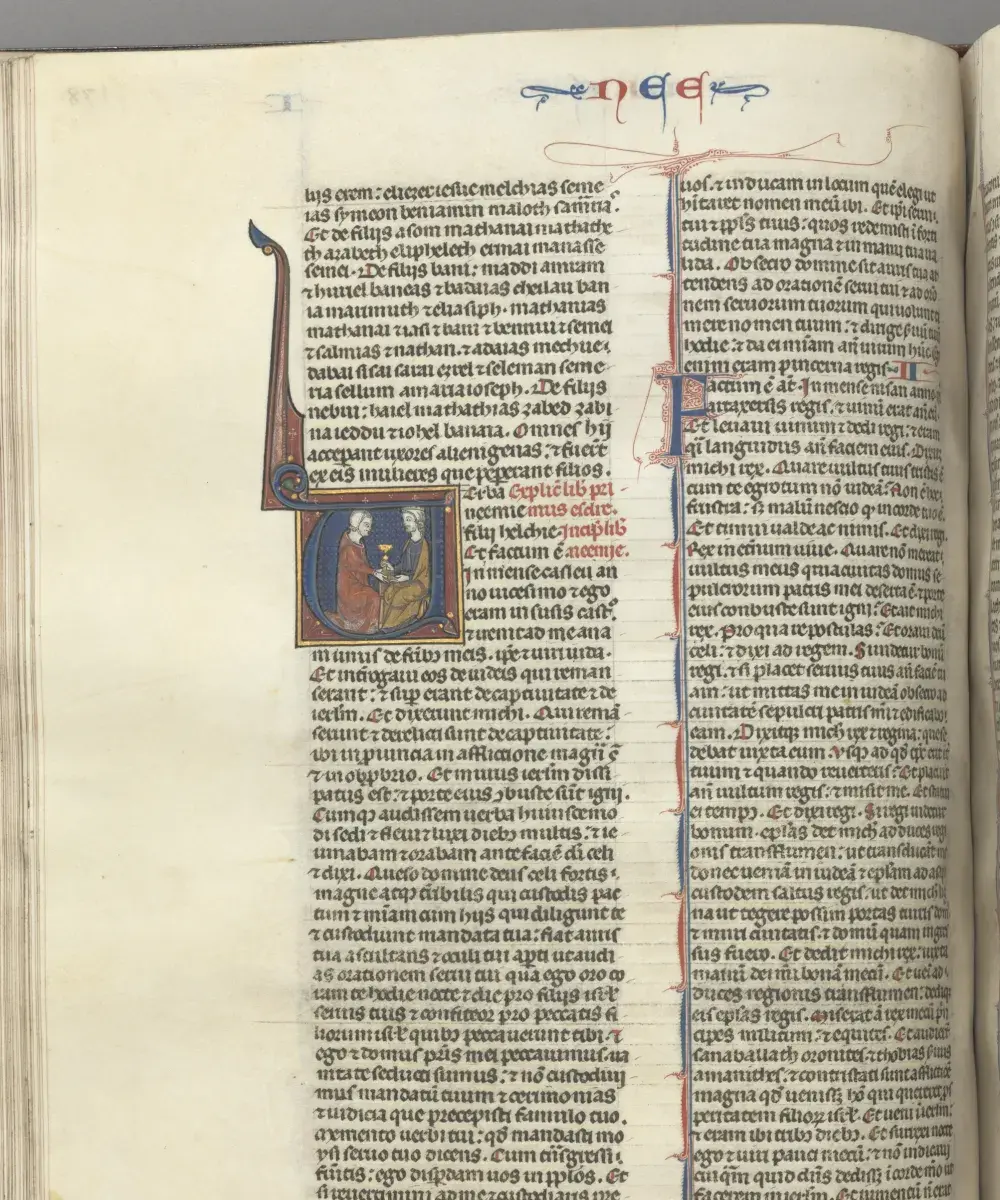
Kroatisk og den glagolittiske skrivetradisjonen
Kroatisk har en litterær tradisjon som dateres tilbake til 1500-tallet, da de første trykte bøkene på kroatisk dukket opp. Før standardiseringen av det latinske alfabetet for kroatisk, ble språket også skrevet med glagolittisk skrift, et eldgammelt skriftsystem som kroatiske prester og munker brukte for liturgiske tekster langs Adriaterhavskysten fra 900-tallet og utover. Kroatia er et av få steder i verden der glagolittisk skrift forble i kontinuerlig bruk inn på 1800-tallet, og det feires fortsatt som en del av kroatisk kulturell identitet. Innskrifter i glagolittisk vises på offentlige monumenter, og skriften er et symbol på den distinkte kroatiske skriftkulturen innenfor den bredere slaviske verden.
For moderne dokumenter skrives kroatisk utelukkende med latinsk skrift, og språket har en sterk tradisjon for språklig purisme som skiller det fra serbisk. Kroatisk vokabular foretrekker systematisk innfødte slaviske konstruksjoner fremfor internasjonale lånord. Ordet for "fly" på kroatisk er "zrakoplov" (bokstavelig talt "luftseiler"), mens serbisk bruker den internasjonale formen "avion". Denne vokabular-divergensen betyr at oversettelsesverktøy må bruke kroatisk-spesifikke leksikale modeller i stedet for generiske sørslaviske ressurser, ellers vil resultatet fremstå som en blanding av registre som morsmålsbrukere umiddelbart gjenkjenner som unaturlig. Kroatiske EU-pass og ID-dokumenter, eiendomsdokumenter ved Adriaterhavskysten og vitnemål fra Universitetet i Zagreb følger alle den formelle kroatiske standardvokabularet.
Dokumenter folk oversetter mellom engelsk og kroatisk
Kroatias EU-medlemskap, dets store diaspora i tyskspråklige land, og dets eiendomsmarked ved kysten kombineres for å skape variert og jevn etterspørsel etter kroatisk dokumentoversettelse. De vanligste dokumenttypene inkluderer:
- Kroatiske EU-pass og nasjonale ID-kort innsendt for registrering av bosted i Tyskland, Østerrike og andre EU-land
- Eiendomsdokumenter ved Adriaterhavet, inkludert utdrag fra grunnboken og kjøpekontrakter for utenlandske kjøpere som anskaffer seg kystnær eiendom i Dalmatia og Istria
- Vitnemål og akademiske utskrifter fra Universitetet i Zagreb og andre kroatiske høyere utdanningsinstitusjoner for godkjenning av kvalifikasjoner i EU-land og USA
- Fødselsattester, vigselsattester og sivile registerutskrifter for den kroatiske diasporaen i Tyskland, Østerrike, Chile og USA
- Ansettelseskontrakter og lønnsslipper for kroatiske statsborgere som arbeider i utlandet eller for utenlandske selskaper som ansetter i Kroatia
- Medisinske rapporter og sykehusutskrivningsnotater for kroatiske pasienter som søker behandling i utlandet, eller for utenlandske statsborgere behandlet på kroatiske institusjoner
AI-oversettelse er effektiv for å forstå innholdet i kroatiske PDF-er eller forberede arbeidsutkast for gjennomgang. Offisielle innsendinger til immigrasjonsmyndigheter, domstoler eller offentlige kontorer krever vanligvis en sertifisert oversettelse gjennomgått og signert av en kvalifisert menneskelig oversetter. Medlemmer av den kroatiske diasporaen i USA som ønsker å sende inn kroatiske dokumenter til immigrasjonsmyndighetene, bør konsultere USCIS-oversettelseskravene før de sender inn et AI-generert utkast.
Priser for PDF til kroatisk-oversettelse
Registrer deg gratis, betal per dokument, og oppgrader etter hvert som dine oversettelsesbehov vokser.
Free
Ingen kort kreves for registrering
- 0,005 USD/ord AI-oversettelse
- 1 dollar per side for skanninger og bilde-PDF-er
- 108 språk
- Filer opptil 20 MB og 20 sider
- DOCX, PDF, XLSX, PPTX, IDML, TXT, JPG, PNG og CSV
- Kun 24-timers fillagring
- PDF-redigering og PDF til DOCX-konvertering
Grunnleggende
Mest populærFakturert hver uke · kanseller når som helst
Fakturert månedlig
Fakturert én gang i året · spar 33 %
- AI-oversettelse inkludert hver måned
- Deretter 0,005 $/ord AI-oversettelse
- Filer opptil 100 MB og 300 sider
- DOCX, PDF, XLSX, PPTX, IDML, TXT, JPG, PNG og CSV
- OCR for skannede dokumenter
- Dokumentlagring
- Prioritert støtte
- 7-dagers gratis prøveperiode på månedsplanen
- Avbryt når som helst
Pro
Fakturert månedlig
Fakturert én gang i året · spar 34 %
- AI-oversettelse inkludert hver måned
- Deretter 0,004 $/ord AI-oversettelse
- Filer opptil 1 GB og 5000 sider
- DOCX, PDF, XLSX, PPTX, IDML, TXT, JPG, PNG og CSV
- Ordliste
- Prioritert kø
- 5 teamplasser
- API-forespørsler · 1000 sider per måned
- MCP-tilgang for AI-assistenter
- Avbryt når som helst
Forretning
Fakturert månedlig
Fakturert én gang i året · spar 33 %
- AI-oversettelse inkludert hver måned
- Deretter 0,003 $/ord AI-oversettelse
- Filer opptil 1 GB og 5000 sider
- DOCX, PDF, XLSX, PPTX, IDML, TXT, JPG, PNG og CSV
- Ordliste
- Prioritert kø
- 15 teamplasser
- API-forespørsler · 5000 sider per måned
- MCP-tilgang for AI-assistenter
- Avbryt når som helst
Bedrift
Trenger du mer volum, fakturering eller en tilpasset avtale? Snakk med oss om en Enterprise-plan.
Hvordan oversette PDF-en din til kroatisk
Opprett en gratis konto
Registrer deg med e-posten din for å få tilgang til dashbordet for nettbasert oversettelse.
Last opp PDF-filen din
Dra og slipp filen din eller bla for å velge den. Filer opptil 1 GB støttes på Pro- og Forretningsplanene.
Velg kroatisk som målspråk
Velg originalspråket til PDF-en din og sett kroatisk som målspråk. Resultatet vil inkludere alle kroatiske diakritiske tegn, det korrekte puristiske vokabularet, og riktig bøyde kasusendelser.
Oversett og last ned
Klikk "Oversett" og vent noen øyeblikk. Den oversatte PDF-en din vil være klar for nedlasting på kroatisk, med den originale layouten bevart.
Ofte stilte spørsmål om PDF til kroatisk-oversettelse
Vil kroatiske diakritiske tegn gjengis korrekt i den oversatte PDF-en?
Ja. Kroatisk har fem diakritiske tegn som ikke finnes i det grunnleggende latinske alfabetet: c med caron (ch-lyden), s med caron (sh), z med caron (zh), d med strek (dj) og c med akutt aksent (en myk c, forskjellig fra den vanlige ts-c). PDF-eksport-pipelines dropper ofte disse diakritiske tegnene eller erstatter dem med grunntegnet, noe som gir tekst som ser nesten riktig ut, men som feiler kroatisk stavekontroll, søk og sortering. DocTranslator gir ut de korrekte Unicode-kodepunktene for alle fem tegnene gjennom hele den oversatte filen.
Hvordan påvirker kroatiske syv kasus oversettelseskvaliteten?
Kroatisk har syv grammatiske kasus: nominativ, genitiv, dativ, akkusativ, vokativ, lokativ og instrumentalis. Substantiv, adjektiv, pronomen og tall bøyes alle etter kasus, kjønn (maskulinum, femininum, nøytrum) og tall. Et enkelt substantiv kan forekomme i dusinvis av former avhengig av dets grammatiske rolle. AI-modeller trent på kroatisk håndterer disse bøyningene godt for standard dokumenttyper som kontrakter, sertifikater og rapporter. Svært tekniske eller juridiske tekster kan ha nytte av menneskelig gjennomgang for å bekrefte at kasusendelsene er korrekte i hver frase.
Bruker DocTranslator kroatisk-spesifikt vokabular i stedet for generiske sørslaviske former?
Ja. Kroatisk har en sterk tradisjon for språklig purisme som skiller vokabularet fra serbisk. Kroatisk bruker innfødte slaviske konstruksjoner der serbisk og bosnisk ofte bruker internasjonale lånord. "Zrakoplov" (fly), "racunalo" (datamaskin) og "brzoglas" (telefon) er eksempler på kroatisk-spesifikke termer som en sørslavisk modell som blander alle tre standardene ville tatt feil av. DocTranslator bruker kroatisk som et distinkt målspråk med sin egen leksikalske profil, ikke en delt serbokroatisk modell.
Hvilke kroatiske dokumenter oversettes oftest til offisielle formål?
De mest oversatte kroatiske dokumentene er EU-pass og nasjonale ID-kort, fødsels- og vigselsattester, kjøpekontrakter og utdrag fra grunnboken for eiendommer ved Adriaterhavet, vitnemål fra Universitetet i Zagreb og andre kroatiske universiteter, og ansettelseskontrakter. For innsendinger til immigrasjonsmyndigheter eller domstoler kreves en sertifisert oversettelse med en oversettererklæring, snarere enn et AI-generert utkast.
Hvor stor kroatisk PDF kan jeg oversette, og hva koster et første dokument?
Pro og Business støtter filer opptil 1 GB og opptil 5000 sider. Basic stopper på 100 MB og 300 sider, og Free på 20 MB og 20 sider. På Free betales et første dokument for seg til 0,005 dollar per ord, med et minimum på 0,99 dollar, så en kort prøve lar deg verifisere at kroatiske diakritiske tegn, kasusendelser og layout håndteres korrekt før du laster opp et fullt dokument som en eiendomskontrakt eller akademisk utskrift.
Kan jeg også oversette fra kroatisk til engelsk, i tillegg til fra engelsk til kroatisk?
Ja. Kroatisk-engelsk-paret fungerer i begge retninger. Å oversette en kroatisk PDF til engelsk er vanlig for kroatiske diaspora-medlemmer som deler dokumenter med ikke-kroatisktalende arbeidsgivere eller myndigheter i Tyskland, Østerrike, USA, Chile eller Australia. Å oversette engelske PDF-er til kroatisk er vanlig for utenlandske selskaper som opererer i Kroatia, utenlandske kjøpere som anskaffer eiendommer ved Adriaterhavskysten, og internasjonale organisasjoner som produserer materiale på alle EU-språk.
Hva er betydningen av glagolittisk skrift for kroatisk dokumenthistorie?
Glagolittisk er et eldgammelt slavisk skriftsystem brukt av kroatiske prester og munker for liturgiske og juridiske tekster langs Adriaterhavskysten fra 900-tallet til 1800-tallet. Det er forskjellig fra både kyrillisk og latinsk. Historiske kroatiske dokumenter i glagolittisk skrift krever spesialist paleografisk ekspertise og kan ikke behandles av standard OCR eller automatiserte oversettelsesverktøy. DocTranslator er designet for moderne kroatisk i latinsk skrift. Historiske glagolittiske dokumenter trenger spesialist menneskelig transkripsjon før noe oversettelsesarbeid kan begynne.
Oversett PDF-en din til kroatisk i dag
DocTranslator konverterer PDF-er til kroatisk på nettet, gjengir alle diakritiske tegn korrekt, bruker kroatisk-spesifikt puristisk vokabular, bevarer dokumentlayouten din, og støtter filer opptil 1 GB.
Relaterte verktøy
Oversett PDF etter språk
Dokumenttyper
Våre partnere