
Translate PDF to Somali
Convert PDFs to Somali using the Latin alphabet standardized in 1972. Somali vowel length and tonal distinctions are preserved in the output. Layout and formatting are kept intact. Files up to 1 GB.
Upload or drop document to translate
Max. file size 1 GB
- OCR for scans and photos
- 108 languages
- Original layout kept
What happens when you translate a PDF into Somali
Somali is spoken by more than 20 million people as their native language, making it the official language of Somalia and one of the major languages of the Horn of Africa. Despite this scale, Somali has one of the most recently established writing systems of any major language. The Latin-script orthography used today was only officially adopted in 1972, during the government of Siad Barre. Before that year, Somali had no single government-recognized written form. The language was transmitted almost entirely through oral tradition: poetry, storytelling, historical narrative, and legal convention were all carried in memory and speech rather than in documents. This has profound consequences for how Somali-language PDFs are structured and what kinds of documents exist in the language.
The 1972 orthography uses the standard 26-letter Latin alphabet without any diacritic characters. Instead of accent marks or special letters, Somali uses digraphs and vowel doubling to represent sounds. Long vowels are written by doubling the vowel letter: "a" is short, "aa" is long. This vowel-length distinction is phonemic, meaning that two words can be spelled identically except for a doubled vowel and have completely different meanings. The distinction between "gal" (go in) and "gaal" (infidel) is a well-known example. A translation engine that collapses doubled vowels or fails to generate them correctly in output text will produce words that are wrong in meaning or not recognized as valid Somali at all.
Somali also has tonal properties that affect word meaning, though the tone system is less complex than languages like Mandarin or Yoruba. Somali is described as having a high-versus-low tone distinction. In written Somali, tone is not marked in the standard orthography, which means that readers rely on context to disambiguate homographs that differ only in tone. This is similar to the situation in Arabic or Hebrew, where vowel marks are omitted in most adult-level text. For translation into Somali, the correct choice of word in context matters because the same spelled form can represent different tonal words. Somali also has four grammatical cases, unusual for a language with such a recently established writing system. The case system affects noun endings and article forms in ways that require careful handling in translated output.
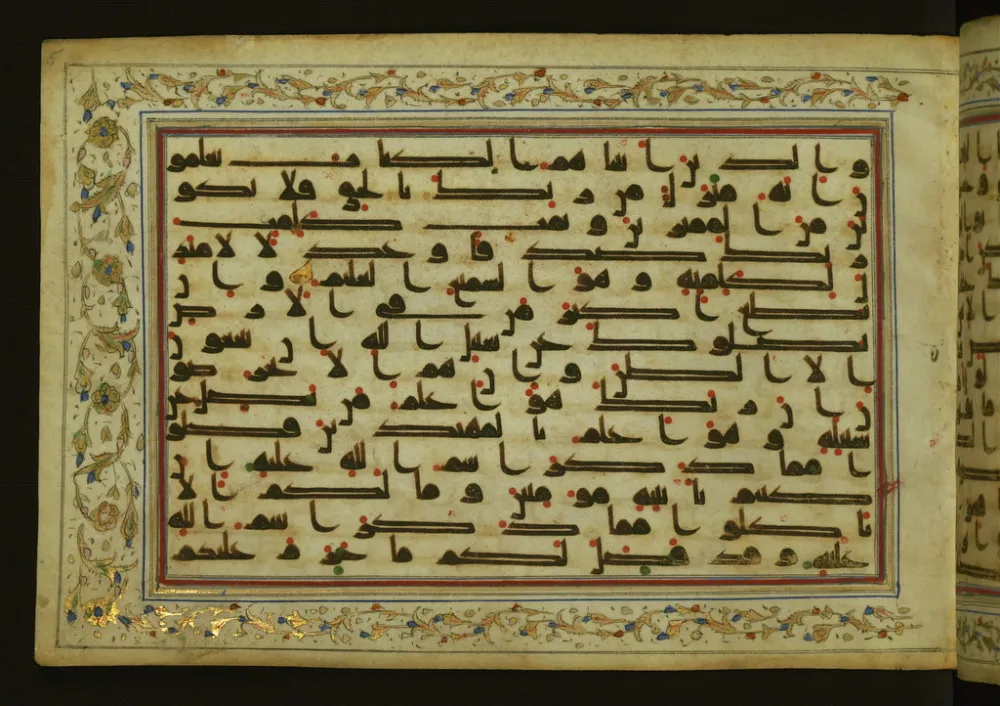
Before 1972: oral tradition and Wadaad Arabic script
Before the adoption of the Latin alphabet in 1972, written Somali existed informally through a tradition called Wadaad writing. Islamic scholars and clerics (wadaado) used Arabic script to write Somali phonetically, primarily for religious texts, letters, and some poetry. This was never standardized and varied considerably between writers, since Arabic script was not designed to represent Somali phonology. Other informal scripts also existed, including the Osmanya script invented in the early 20th century by Osman Yusuf Kenadid, which has a dedicated Unicode block today but was never in widespread official use.
The consequence is that virtually all official Somali-language documents in existence date from 1972 or later. There is no centuries-long archive of printed Somali text comparable to what exists for European languages. The Somali written record is roughly 50 years old. This means the total corpus of Somali text used to train translation models is smaller than for languages with longer writing histories, though AI models have improved significantly on lower-resource languages in recent years. For document translation purposes, modern Somali administrative, legal, and personal documents are fully within scope of automated processing.
Documents people translate between English and Somali
The Somali diaspora created by the civil war that began in 1991 is the primary driver of document translation demand. Minneapolis-Saint Paul is home to more than 100,000 Somali residents, the largest Somali diaspora community in the world. The United Kingdom has a comparable diaspora population of over 100,000, concentrated in cities including London, Bristol, and Sheffield. Canada has over 30,000 Somali-origin residents, primarily in Toronto and Ottawa. Scandinavia, particularly Sweden and Norway, also hosts large communities. The range of documents that move between these diaspora populations and institutions in English-speaking countries is broad:
- Somali passports and national identity documents for immigration and residence applications in the US, UK, and Canada
- UNHCR refugee documents, resettlement paperwork, and asylum evidence packages requiring English translation for immigration adjudicators
- Clan-based notarial documents and family attestation letters, which substitute for formal notarial records in areas where civil registration infrastructure collapsed after 1991
- Birth certificates, marriage certificates, and divorce certificates for family reunification petitions and spousal visa applications
- School records and academic transcripts for Somali students enrolling in US, UK, or Canadian institutions
- Medical records and vaccination histories translated from English for Somali-speaking patients, or from Somali for healthcare providers in diaspora cities
AI translation is well suited for understanding documents, preparing working drafts, and internal review. For submissions to immigration authorities such as USCIS, a certified translation reviewed and signed by a qualified human translator is required. The same applies to court filings and most official government submissions in the US and UK.
English to Somali PDF translation pricing
Sign up free, pay per document, and upgrade as your translation needs grow.
Free
No card needed to sign up
- $0.005/word AI translation
- $1 per page for scans and image PDFs
- 108 languages
- Files up to 20 MB and 20 pages
- DOCX, PDF, XLSX, PPTX, IDML, TXT, JPG, PNG and CSV
- 24-hour file storage only
- PDF editor and PDF to DOCX converter
Basic
Most popularBilled every week · cancel any time
Billed monthly
Billed once a year · save 33%
- AI translation included every month
- Then $0.005/word AI translation
- Files up to 100 MB and 300 pages
- DOCX, PDF, XLSX, PPTX, IDML, TXT, JPG, PNG and CSV
- OCR for scanned documents
- Document storage
- Priority support
- 7-day free trial on the monthly plan
- Cancel any time
Pro
Billed monthly
Billed once a year · save 34%
- AI translation included every month
- Then $0.004/word AI translation
- Files up to 1 GB and 5,000 pages
- DOCX, PDF, XLSX, PPTX, IDML, TXT, JPG, PNG and CSV
- Glossary
- Priority queue
- 5 team seats
- API requests · 1,000 pages a month
- MCP access for AI assistants
- Cancel any time
Business
Billed monthly
Billed once a year · save 33%
- AI translation included every month
- Then $0.003/word AI translation
- Files up to 1 GB and 5,000 pages
- DOCX, PDF, XLSX, PPTX, IDML, TXT, JPG, PNG and CSV
- Glossary
- Priority queue
- 15 team seats
- API requests · 5,000 pages a month
- MCP access for AI assistants
- Cancel any time
Enterprise
Need more volume, invoicing or a custom agreement? Talk to us about an Enterprise plan.
How to translate your PDF to Somali
Create a free account
Sign up with your email to access the online translation dashboard.
Upload your PDF file
Drag and drop your file or browse to select it. Files up to 1 GB are supported on the Pro and Business plans.
Choose Somali as target language
Select the original language of your PDF and set Somali as the target language. The output will use the 1972 Latin-script Somali orthography with correct vowel length doubling.
Translate and download
Click "Translate" and wait a few moments. Your translated PDF will be ready to download in Somali with the original layout preserved.
English to Somali PDF translation FAQ
When did Somali get an official written form?
Somali was given an official Latin-script orthography in October 1972, when the government of Somalia declared it the national written standard. Before that date, the language had no government-recognized writing system. Informal writing existed in Arabic script (Wadaad writing used by Islamic scholars) and in the Osmanya script developed in the early 20th century, but neither was officially standardized. This makes Somali one of the most recently written major world languages.
How does Somali vowel length affect translation quality?
Vowel length is phonemic in Somali, meaning that short and long vowels distinguish different words. The orthography represents long vowels by doubling the letter: "a" is short, "aa" is long. A translation that drops or fails to generate the correct vowel length produces words with the wrong meaning or words that are not recognized as valid Somali. Quality AI translation models trained on Somali text handle vowel doubling correctly in output.
What kinds of Somali documents are most commonly translated for US immigration?
The Somali diaspora in Minneapolis-Saint Paul (100,000+ residents) and other US cities regularly needs the following translated for immigration: Somali passports, national identity cards, UNHCR refugee documents, birth certificates, marriage and divorce certificates, and clan-based family attestation letters. For USCIS submissions, all translations must be certified by a qualified translator who attests to accuracy and completeness.
Why are clan-based notarial documents common in Somali translation requests?
The Somali civil war that began in 1991 severely damaged or destroyed civil registration infrastructure across much of the country. For many Somali refugees and immigrants, formal civil documents such as birth certificates and marriage certificates do not exist or were lost. In their place, clan elders and community leaders issue attestation letters affirming family relationships, dates of birth, or marriage status. These informal documents carry legal weight in resettlement and asylum contexts and frequently need English translation for immigration adjudicators in the US, UK, and Canada.
Does Somali use any characters outside the standard Latin alphabet?
No. The 1972 Somali orthography uses all 26 standard Latin letters and no diacritics or special characters. This was an intentional design choice to allow the alphabet to be typed on standard typewriters. Long vowels are represented by doubling (aa, ee, ii, oo, uu) rather than with accent marks. This means Somali text renders correctly in any environment that supports basic Latin text, with no special font or encoding requirements.
Can I translate documents from Somali into English as well?
Yes. The Somali-English direction works for translating documents originating in Somalia or from Somali-speaking communities into English. Common use cases include translating school records, medical files, or personal documents for Somali diaspora members dealing with institutions in the US, UK, or Canada. The same file-size limits apply in this direction: Pro and Business take up to 1 GB or 5,000 pages, Basic caps a file at 100 MB and 300 pages, and Free at 20 MB and 20 pages.
What is the difference between Somali and other Cushitic languages for translation purposes?
Somali belongs to the Cushitic branch of the Afroasiatic language family, which also includes Oromo, Afar, and Sidama. These languages are related but not mutually intelligible, and each has its own orthography and translation model. Somali is the largest Cushitic language by number of speakers and has the most available training data. Translation models for Somali are therefore more developed than for closely related but smaller Cushitic languages. Documents in Somali should be processed using a Somali-specific translation model rather than a generic East African or Afroasiatic model.
Translate your PDF to Somali today
DocTranslator converts PDFs to Somali online using the 1972 Latin-script orthography, preserving vowel length distinctions and document layout, with support for files up to 1 GB.
Related Tools
Translate PDF by Language
Document Types
Our Partners