
Tõlgi PDF somaali keeleks
Teisendage PDF-id somaali keelde, kasutades 1972. aastal standardiseeritud ladina tähestikku. Somaali keele vokaalide pikkus ja toonierinevused säilitatakse väljundis. Paigutus ja vorming jäävad puutumata. Failid kuni 1 GB.
Laadi üles või lohista dokument tõlkimiseks
Max. faili suurus 1 GB
- Skannide ja fotode OCR
- 108 keelt
- Algne paigutus säilitatud
Mis juhtub, kui tõlkida PDF somaali keelde
Somaali keelt räägib emakeelena üle 20 miljoni inimese, mis teeb sellest Somaalia ametliku keele ja ühe peamise keele Aafrika Sarvel. Selle mastaabi kohta on somaali keel üks hiljutisema ajalooga kirjasüsteemiga suuremaid keeli. Praegu kasutatav ladina kirja ortograafia võeti ametlikult vastu alles 1972. aastal Siad Barre valitsuse ajal. Enne seda aastat ei olnud somaali keelel ühtegi valitsuse poolt tunnustatud kirjalikku vormi. Keel edastati peaaegu täielikult suulise traditsiooni kaudu: luule, jutuvestmine, ajalooline jutustus ja juriidiline tava kanti üle mälu ja kõne kaudu, mitte dokumentides. Sellel on sügavad tagajärjed sellele, kuidas somaali keele PDF-id on struktureeritud ja milliseid dokumente keeles eksisteerib.
1972. aasta ortograafia kasutab standardset 26-tähelist ladina tähestikku ilma diakriitiliste märkideta. Aktsentide või eritähtede asemel kasutab somaali keel helide esitamiseks digraafe ja vokaalide kahekordistamist. Pikad vokaalid kirjutatakse vokaali kahekordistamisega: „a“ on lühike, „aa“ on pikk. See vokaali pikkuse erinevus on foneemiline, mis tähendab, et kaks sõna võivad olla õigekirjalt identsed, välja arvatud kahekordne vokaal, ja neil on täiesti erinevad tähendused. Erinevus „gal“ (sisene) ja „gaal“ (infidel) vahel on tuntud näide. Tõlkemootor, mis vähendab kahekordseid vokaale või ei suuda neid väljundtekstis õigesti genereerida, toodab sõnu, mis on tähenduselt valed või mida ei tunnistata üldse kehtiva somaali keelena.
Somaali keeles on ka tonaalsed omadused, mis mõjutavad sõnade tähendust, kuigi toonide süsteem on vähem keerukas kui sellistes keeltes nagu mandariini või joruba. Somaali keelt kirjeldatakse kui kõrge-versus-madala tooni eristust. Kirjalikus somaali keeles toone standardortograafias ei märgita, mis tähendab, et lugejad peavad konteksti kasutama, et homograafe, mis erinevad ainult tooni poolest, lahti mõtestada. See on sarnane olukorraga araabia või heebrea keeles, kus vokaalimärgid jäetakse enamikus täiskasvanutele mõeldud tekstides välja. Somaali keelde tõlkimisel on õige sõna valik kontekstis oluline, kuna sama kirjapilt võib tähistada erineva tooniga sõnu. Somaali keeles on ka neli grammatilist käänet, mis on ebatavaline keele jaoks, millel on nii hiljuti välja kujunenud kirjakeel. Käändesüsteem mõjutab nimisõnade lõppe ja artiklite vorme viisidel, mis nõuavad tõlgitud väljundis hoolikat käsitsemist.
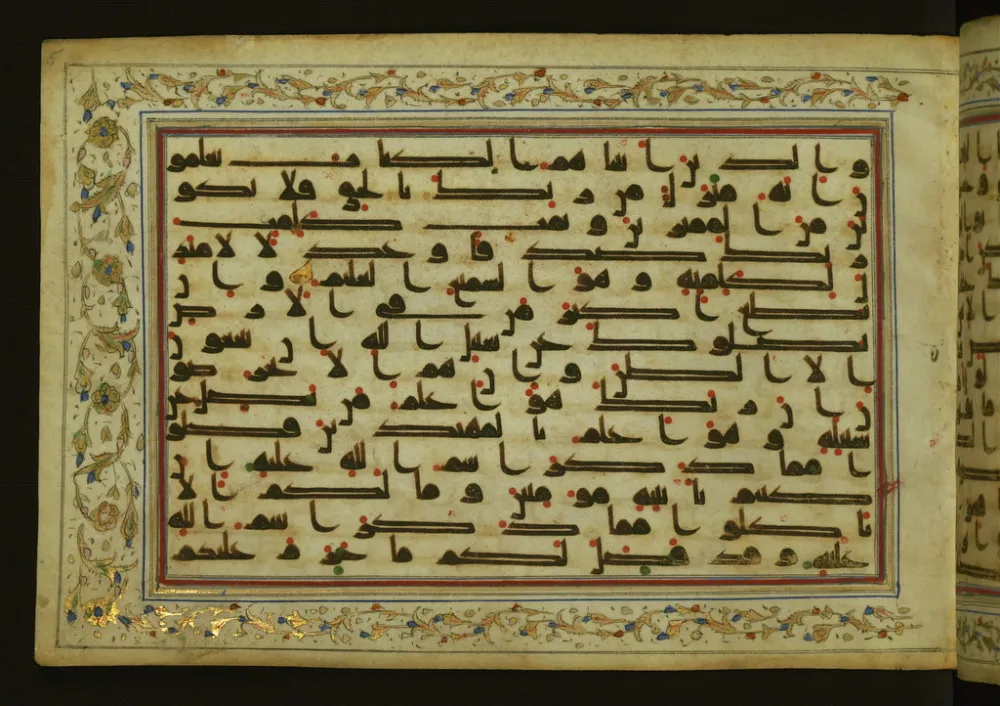
Enne 1972. aastat: suuline traditsioon ja Wadaad araabia kiri
Enne ladina tähestiku kasutuselevõttu 1972. aastal eksisteeris kirjalik somaali keel informeeritult Wadaad kirjutamise traditsiooni kaudu. Islami õpetlased ja vaimulikud (wadaado) kasutasid araabia kirja, et kirjutada somaali keelt foneetiliselt, peamiselt religioossete tekstide, kirjade ja mõne luule jaoks. See ei olnud kunagi standardiseeritud ja varieerus kirjutajate vahel märkimisväärselt, kuna araabia kiri ei olnud loodud somaali foneetika esindamiseks. Eksisteerisid ka teised informeeritud kirjad, sealhulgas Osmanya kiri, mille leiutas 20. sajandi alguses Osman Yusuf Kenadid, millel on täna spetsiaalne Unicode'i plokk, kuid mida kunagi laialdaselt ametlikult ei kasutatud.
Selle tagajärjeks on, et peaaegu kõik olemasolevad ametlikud somaalikeelsed dokumendid pärinevad aastast 1972 või hiljem. Puudub sajanditepikkune trükitud somaalikeelsete tekstide arhiiv, võrreldav Euroopa keeltega. Somaalikeelne kirjalik materjal on umbes 50 aastat vana. See tähendab, et somaali keele tekstide kogukorpuse suurus, mida kasutatakse tõlkemudelite koolitamiseks, on väiksem kui pikema kirjaliku ajalooga keelte puhul, kuigi tehisintellekti mudelid on viimastel aastatel madala ressursiga keelte puhul märkimisväärselt paranenud. Dokumenditõlke eesmärgil on kaasaegsed somaali haldus-, õigus- ja isiklikud dokumendid täielikult automatiseeritud töötlemise ulatuses.
Dokumendid, mida inimesed tõlgivad inglise ja somaali keele vahel
1991. aastal alanud kodusõja tagajärjel tekkinud somaali diaspora on dokumenditõlke nõudluse peamine põhjus. Minneapolis-Saint Pauli linnas elab üle 100 000 somaali elaniku, mis on suurim somaali diaspora kogukond maailmas. Ühendkuningriigis on võrreldav diaspora elanikkond üle 100 000, kes on koondunud linnadesse nagu London, Bristol ja Sheffield. Kanadas elab üle 30 000 somaali päritolu elaniku, peamiselt Torontos ja Ottawas. Skandinaavias, eriti Rootsis ja Norras, asub samuti suuri kogukondi. Nende diaspora kogukondade ja ingliskeelsete riikide institutsioonide vahel liikuva dokumentide valik on lai:
- Somaali passid ja riiklikud isikutunnistused immigratsiooni- ja elamisloa taotlemiseks USA-s, Ühendkuningriigis ja Kanadas
- UNHCR-i pagulasdokumendid, ümberasumispaberid ja varjupaigataotluse tõendid, mis nõuavad ingliskeelset tõlget immigratsiooniametnikele
- Klannipõhised notariaalsed dokumendid ja perekonnatunnistused, mis asendavad ametlikke notariaalseid dokumente piirkondades, kus kodaniku registreerimise infrastruktuur pärast 1991. aastat kokku varises
- Sünni-, abielu- ja lahutustunnistused pere taasühinemise taotluste ja abikaasa viisataotluste jaoks
- Koolidokumendid ja akadeemilised ärakirjad somaali üliõpilastele, kes astuvad USA, Ühendkuningriigi või Kanada õppeasutustesse
- Meditsiinilised dokumendid ja vaktsineerimisandmed, tõlgitud inglise keelest somaali keelt kõnelevatele patsientidele või somaali keelest tervishoiuteenuse osutajatele diasporaa linnades
Tehisintellekti tõlge sobib hästi dokumentide mõistmiseks, tööversioonide koostamiseks ja sisekontrolliks. Immigratsiooniasutustele, nagu USCIS, esitamiseks on vaja sertifitseeritud tõlget, mille on üle vaadanud ja allkirjastanud kvalifitseeritud inimtõlkija. Sama kehtib kohtuasjade ja enamiku ametlike valitsuse esildiste kohta USA-s ja Ühendkuningriigis.
Inglise keelest somaali keelde PDF-tõlke hinnad
Registreeruge tasuta, makske dokumendi eest ja uuendage vastavalt oma tõlkevajadustele.
Free
Kaardiandmeid pole registreerumiseks vaja
- 0,005 $ / sõna tehisintellekti tõlge
- 1 $ lehekülje eest skannitud ja pildiga PDF-ide puhul
- 108 keelt
- Failid kuni 20 MB ja 20 lehekülge
- DOCX, PDF, XLSX, PPTX, IDML, TXT, JPG, PNG ja CSV
- Ainult 24-tunnine failide salvestusruum
- PDF-redaktor ja PDF-failide teisendaja DOCX-vormingusse
Põhi
Kõige populaarsemArveldatakse igal nädalal · tühistamine igal ajal
Arveldatakse kord kuus
Arveldatakse kord aastas · säästate 33%
- AI-tõlge iga kuu
- Seejärel 0,005 $/sõna AI-tõlge
- Failid kuni 100 MB ja 300 lehekülge
- DOCX, PDF, XLSX, PPTX, IDML, TXT, JPG, PNG ja CSV
- OCR skannitud dokumentidele
- Dokumendi salvestusruum
- Prioriteetne tugi
- 7-päevane tasuta prooviversioon igakuise paketiga
- Tühista igal ajal
Pro
Arveldatakse kord kuus
Arveldatakse kord aastas · säästate 34%
- AI-tõlge iga kuu
- Seejärel 0,004 $/sõna AI-tõlge
- Failid kuni 1 GB ja 5000 lehekülge
- DOCX, PDF, XLSX, PPTX, IDML, TXT, JPG, PNG ja CSV
- Sõnastik
- Prioriteetne järjekord
- 5 meeskonnaliiget
- API-päringud · 1000 lehekülge kuus
- MCP juurdepääs AI assistentidele
- Tühista igal ajal
Äri
Arveldatakse kord kuus
Arveldatakse kord aastas · säästate 33%
- AI-tõlge iga kuu
- Seejärel 0,003 $/sõna AI-tõlge
- Failid kuni 1 GB ja 5000 lehekülge
- DOCX, PDF, XLSX, PPTX, IDML, TXT, JPG, PNG ja CSV
- Sõnastik
- Prioriteetne järjekord
- 15 meeskonnaliiget
- API-päringud · 5000 lehekülge kuus
- MCP juurdepääs AI assistentidele
- Tühista igal ajal
Ettevõtetele
Vajate rohkem mahtu, arveldamist või kohandatud lepingut? Rääkige meiega Enterprise paketist.
Kuidas oma PDF-i somaali keelde tõlkida
Loo tasuta konto
Registreeru oma e-posti aadressiga, et pääseda juurde veebipõhisele tõlkepaneelile.
Laadige üles oma PDF-fail
Lohistage ja kukutage oma fail või sirvige, et see valida. Pro ja Äri paketiga toetatakse faile kuni 1 GB.
Valige sihtkeeleks somaali keel
Valige oma PDF-i algne keel ja määrake sihtkeeleks somaali keel. Väljund kasutab 1972. aasta ladina kirjas somaali ortograafiat, kus on õigesti kahekordistatud vokaalide pikkused.
Tõlgi ja laadi alla
Klõpsake nuppu „Tõlgi“ ja oodake mõni hetk. Teie tõlgitud PDF on valmis allalaadimiseks somaali keeles, originaalpaigutus säilitatuna.
Inglise keelest somaali keelde PDF-tõlke KKK
Millal sai somaali keel ametliku kirjaliku vormi?
Somaali keelele anti ametlik ladina tähestikuga ortograafia 1972. aasta oktoobris, mil Somaalia valitsus kuulutas selle riiklikuks kirjalikuks standardiks. Enne seda kuupäeva polnud keelel valitsuse poolt tunnustatud kirjasüsteemi. Informaalne kirjutamine eksisteeris araabia kirjas (islami õpetlaste kasutatav Wadaadi kirjasüsteem) ja 20. sajandi alguses välja töötatud Osmanya kirjas, kuid kumbki neist polnud ametlikult standardiseeritud. See teeb somaali keelest ühe hiljutise suure maailmakeele kirjaliku vormi.
Kuidas mõjutab somaali keele vokaalide pikkus tõlke kvaliteeti?
Vokaalide pikkus on somaali keeles foneemiline, mis tähendab, et lühikesed ja pikad vokaalid eristavad erinevaid sõnu. Ortograafia esindab pikki vokaale tähe kahekordistamisega: "a" on lühike, "aa" on pikk. Tõlge, mis jätab vokaalide pikkuse välja või ei suuda seda õigesti genereerida, toodab valede tähendustega sõnu või sõnu, mida ei tunnistata kehtivate somaali sõnadena. Kvaliteetsed tehisintellekti tõlkemudelid, mis on treenitud somaali tekstiga, käsitsevad vokaalide kahekordistamist väljundis õigesti.
Milliseid somaali dokumente tõlgitakse kõige sagedamini USA immigratsiooni jaoks?
Somaali diaspora Minneapolis-Saint Paulis (üle 100 000 elaniku) ja teistes USA linnades vajab immigratsiooni jaoks regulaarselt järgmiste dokumentide tõlkimist: somaali passid, riiklikud isikutunnistused, UNHCR-i pagulasdokumendid, sünnitunnistused, abielu- ja lahutustunnistused ning klannipõhised perekonnatunnistused. USCIS-i esildiste jaoks peavad kõik tõlked olema kvalifitseeritud tõlkija poolt sertifitseeritud, kes kinnitab täpsust ja täielikkust.
Miks on klannipõhised notariaalsed dokumendid tavalised somaali tõlkimispalvetes?
Somaali kodusõda, mis algas 1991. aastal, kahjustas või hävitas suure osa riigi tsiviilregistri infrastruktuurist. Paljude somaali pagulaste ja immigrantide jaoks ei eksisteeri ametlikke tsiviildokumente, nagu sünni- või abielutunnistused, või need on kadunud. Nende asemel väljastavad klannivanemad ja kogukonnajuhid kinnituskirju, mis tõendavad perekondlikke suhteid, sünniaegu või abielustaatust. Need informaalsetel dokumentidel on õiguslik kaal ümberasustamise ja varjupaiga kontekstis ning need vajavad sageli inglise keelde tõlkimist immigratsiooniametnikele USA-s, Ühendkuningriigis ja Kanadas.
Kas somaali keeles kasutatakse mõnda tähte väljaspool standardset ladina tähestikku?
Ei. 1972. aasta somaali ortograafia kasutab kõiki 26 standardset ladina tähte ning mingeid diakriitikuid ega erimärke. See oli tahtlik valik, et võimaldada tähestiku trükkimist standardsetel kirjutusmasinatel. Pikki vokaale esindatakse kahekordistamisega (aa, ee, ii, oo, uu), mitte aktsentidega. See tähendab, et somaali tekst kuvatakse õigesti igas keskkonnas, mis toetab põhiteksti ladina tähestikus, ilma erifondi või kodeeringunõueteta.
Kas ma saan dokumente tõlkida ka somaali keelest inglise keelde?
Jah. Somaali-inglise keelne suund sobib dokumentide tõlkimiseks Somaaliast või somaali keelt kõnelevatest kogukondadest inglise keelde. Levinud kasutusjuhtumid hõlmavad koolidokumentide, meditsiinifailide või isiklike dokumentide tõlkimist Somaalia diaspora liikmetele, kes suhtlevad institutsioonidega USA-s, Ühendkuningriigis või Kanadas. Samad failisuuruse piirangud kehtivad ka selles suunas: Pro ja Business mahutavad kuni 1 GB või 5000 lehekülge, Basic piirab faili 100 MB ja 300 leheküljega ning Free 20 MB ja 20 leheküljega.
Mis vahe on somaali ja teiste kušiidi keelte vahel tõlkimise eesmärgil?
Somaali keel kuulub afroaasia keelte perekonna kušiidi harru, kuhu kuuluvad ka oromo, afar ja sidama. Need keeled on seotud, kuid mitte vastastikku mõistetavad ning igal neist on oma ortograafia ja tõlkemudel. Somaali keel on kõnelejate arvu poolest suurim kušiidi keel ja sellel on kõige rohkem saadaolevat treeningandmeid. Seetõttu on somaali keele tõlkemudelid arenenumad kui sarnaselt seotud, kuid väiksemate kušiidi keelte puhul. Somaali keeles olevaid dokumente tuleks töödelda somaali-spetsiifilise tõlkemudeliga, mitte üldise Ida-Aafrika või afroaasia mudeliga.
Tõlgige oma PDF somaali keelde juba täna
DocTranslator teisendab PDF-e somaali keelde veebis, kasutades 1972. aasta ladina kirja ortograafiat, säilitades vokaalide pikkuse eristused ja dokumendi paigutuse, toetades kuni 1 GB suuruseid faile.
Seotud tööriistad
Tõlgi PDF keele järgi
Dokumenditüübid
Meie partnerid