
Перевести PDF на бирманский
Конвертируйте PDF на бирманский с отображением круглых символов мьянманского письма для всех 33 согласных, 4 тонов и комбинаций диакритических знаков. Макет и форматирование сохраняются. Файлы до 1 ГБ.
Загрузите или перетащите документ для перевода
Макс. размер файла 1 GB
- OCR для сканов и фотографий
- 108 языков
- Оригинальная верстка сохранена
Что происходит при переводе PDF на бирманский язык
Бирманское письмо, также называемое мьянманским письмом, — это брахмийская абугида, произошедшая от монского письма и в конечном итоге от древних индийских традиций письма. Его наиболее отличительной визуальной особенностью является преобладание круглых и округлых форм букв, характеристика, которая исторически развивалась, потому что рукописи писались на пальмовых листьях, где прямые штрихи могли расколоть лист вдоль волокон. Письмо имеет 33 согласных, каждая из которых несет присущий ей гласный звук. Дополнительные гласные выражаются диакритическими знаками, расположенными над, под, перед или после базового согласного — и несколько знаков могут располагаться над одним базовым символом. Когда PDF-файл переводится на бирманский язык, система рендеринга должна правильно располагать эти знаки и применять правильные последовательности Unicode. Шрифты, не включающие полный блок Unicode для мьянманского письма, будут схлопывать составные глифы, отображать поля с заполнителями или перемешивать визуальный порядок диакритических знаков, создавая текст, который носители языка не могут разобрать. DocTranslator использует рендеринг, совместимый с Unicode, который сохраняет правильное расположение глифов во всем выходном PDF-файле.
Бирманский язык — тональный язык с четырьмя тонами: скрипучий тон, низкий тон, высокий тон и остановленный (входящий) тон. Тона не являются необязательными или стилистическими — они различают значения на уровне слова, поэтому два слога с одинаковыми согласными и гласными, но разными тонами относятся к совершенно разным вещам. Бирманский язык также является языком с порядком слов Субъект-Объект-Глагол, что является обратным порядку слов в английском языке, а глаголы ставятся в конце предложения с набором конечных частиц, указывающих на настроение, достоверность и регистр. Как и тайский и кхмерский языки, бирманский язык не использует пробелы между словами: слоги идут непрерывно, и границы слов должны выводиться из структуры слогов и контекста. Система перевода на базе ИИ, обученная на достаточном объеме бирманского текста, обрабатывает эту сегментацию внутренне, но вывод все равно должен быть сопоставлен со шрифтом и конвейером рендеринга, который может отображать полученный текст Unicode без схлопывания составных символов.
На бирманском языке говорят более 35 миллионов носителей языка, все в основном в Мьянме (ранее Бирма), где он является единственным официальным языком и языком правительства, права, средств массовой информации и формального образования. Помимо Мьянмы, большие бирманскоязычные сообщества существуют в Таиланде, Малайзии, Японии и в западных странах после последовательных волн политического перемещения. Кризис рохинджа, обострившийся после 2017 года, привел к появлению более 1 миллиона беженцев только в Бангладеш, а более ранние политические переходы создали значительную диаспору по всей Юго-Восточной Азии и за ее пределами. Эти сообщества генерируют устойчивый спрос на перевод документов — как на бирманский для подачи документов в государственные органы Мьянмы, так и с бирманского для иммиграционных, убежищных и переселенческих процедур за рубежом.
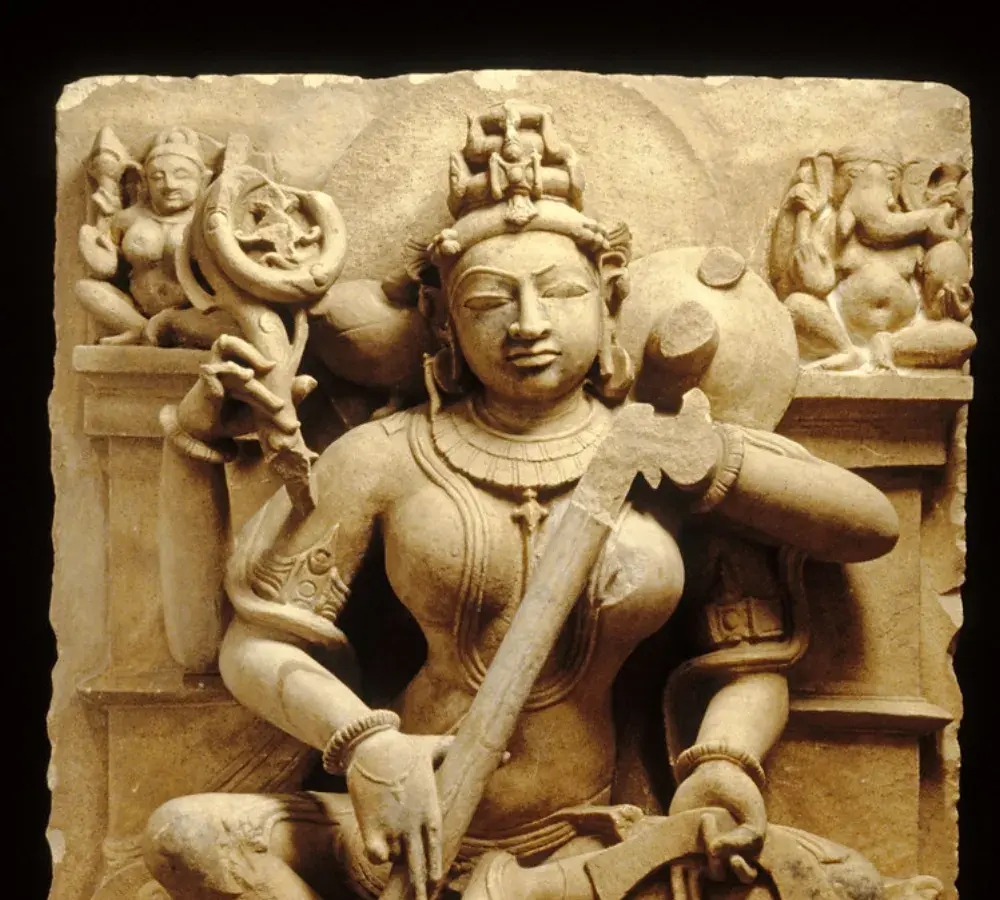
Письмо, сформированное пальмовыми листьями и буддийскими рукописями
Круглость мьянманского письма — это не стилистический выбор, а прямое следствие поверхности письма. Веками тексты в Мьянме вырезались на сушеных пальмовых листьях с помощью стилуса. Прямые или угловатые штрихи, идущие поперек волокон листа, вызывали его раскалывание, уничтожая рукопись. Изогнутые штрихи безопасно следовали вдоль волокон, поэтому письмо развивалось в сторону своих характерных округлых форм. Буддийские тексты — канон Типитака и его комментарии — были основным содержанием этой рукописной традиции, и библиотеки пальмовых листьев в монастырях по всей Мьянме до сих пор хранят тысячи томов в этом формате. Многие из наиболее значительных исторических документов в бирманской традиции существуют только в этой хрупкой среде, и проекты по оцифровке работают над их сохранением до дальнейшего ухудшения.
Для современных документов мьянманское письмо стандартизировано в соответствии с Unicode (блок U+1000 — U+109F, с расширенными диапазонами для языков меньшинств Мьянмы). Переход от устаревшей кодировки Zawgyi — нестандартной кодировки, широко используемой в Мьянме до принятия Unicode — к Unicode стал серьезной инфраструктурной проблемой. Многие старые PDF-файлы и государственные документы, произведенные в Мьянме примерно до 2019 года, использовали Zawgyi, который несовместим с мьянманскими шрифтами Unicode и будет отображаться как искаженный текст при открытии с помощью рендерера Unicode. Определение кодировки PDF-файла на мьянманском языке является первым необходимым шагом перед началом любого перевода. DocTranslator обрабатывает текст Unicode на мьянманском языке и выводит правильно закодированный бирманский текст Unicode во всем переведенном документе.
Документы, которые люди переводят между английским и бирманским языками
Сложная политическая история Мьянмы, большая численность беженцев и растущая диаспора создают потребность в переводе документов в широком спектре категорий. Национальное удостоверение личности Мьянмы — Национальная регистрационная карта, сокращенно NRC — является основным удостоверением личности, и его перевод часто требуется для иммиграционных и трудовых процедур за рубежом. Другие распространенные типы документов включают:
- Национальные регистрационные карты Мьянмы (NRC) и паспорта для получения виз и вида на жительство в Таиланде, Малайзии, Японии и западных странах
- Документы УВКБ ООН для беженцев рохинджа и других перемещенных лиц, проходящих переселение в третьи страны
- Транскрипты и дипломы Университета Янгона и других университетов Мьянмы для признания квалификации за рубежом
- Свидетельства о рождении и документы о регистрации семьи (списки домохозяйств Мьянмы) для иммиграционных и убежищных процедур
- Документы о регистрации бизнеса, коммерческие контракты и документы о соответствии требованиям, связанные с экономикой Мьянмы и деятельностью по привлечению иностранных инвестиций
- Медицинские записи и выписки из больниц для членов диаспоры Мьянмы, ищущих медицинскую помощь в принимающих странах
Перевод на базе ИИ хорошо подходит для понимания содержания незнакомого PDF-файла на бирманском языке или для подготовки рабочего черновика для проверки. Для официальных подач — иммиграционных заявлений, заявлений на убежище, судебных разбирательств или оценки квалификации — власти обычно требуют сертифицированный перевод, проверенный и заверенный квалифицированным переводчиком-человеком. Сертифицированный перевод особенно важен для случаев переселения УВКБ ООН и иммиграционных заявлений USCIS, где точность документов тщательно проверяется.
Цены на перевод PDF с английского на бирманский
Зарегистрируйтесь бесплатно, платите за документ и обновляйте план по мере роста ваших потребностей в переводе.
Free
Карта не требуется для регистрации
- 0,005 $/слово AI-перевод
- 1 доллар за страницу для сканов и PDF-изображений
- 108 языков
- Файлы до 20 МБ и 20 страниц
- DOCX, PDF, XLSX, PPTX, IDML, TXT, JPG, PNG и CSV
- Только 24-часовое хранение файлов
- Редактор PDF и конвертер PDF в DOCX
Базовый
Самый популярныйОплата еженедельно · отмена в любое время
Оплата ежемесячно
Оплата раз в год · экономия 33%
- ИИ-перевод включен каждый месяц
- Затем 0,005 $/слово ИИ-перевод
- Файлы до 100 МБ и 300 страниц
- DOCX, PDF, XLSX, PPTX, IDML, TXT, JPG, PNG и CSV
- OCR для сканированных документов
- Хранилище документов
- Приоритетная поддержка
- 7-дневная бесплатная пробная версия по ежемесячному плану
- Отмена в любое время
Pro
Оплата ежемесячно
Оплата раз в год · экономия 34%
- ИИ-перевод включен каждый месяц
- Затем 0,004 $/слово ИИ-перевод
- Файлы до 1 ГБ и 5000 страниц
- DOCX, PDF, XLSX, PPTX, IDML, TXT, JPG, PNG и CSV
- Глоссарий
- Приоритетная очередь
- 5 мест в команде
- API-запросы · 1000 страниц в месяц
- Доступ к MCP для ИИ-помощников
- Отмена в любое время
Бизнес
Оплата ежемесячно
Оплата раз в год · экономия 33%
- ИИ-перевод включен каждый месяц
- Затем 0,003 $/слово ИИ-перевод
- Файлы до 1 ГБ и 5000 страниц
- DOCX, PDF, XLSX, PPTX, IDML, TXT, JPG, PNG и CSV
- Глоссарий
- Приоритетная очередь
- 15 мест в команде
- API-запросы · 5000 страниц в месяц
- Доступ к MCP для ИИ-помощников
- Отмена в любое время
Для бизнеса
Нужен больший объем, выставление счетов или индивидуальное соглашение? Свяжитесь с нами по поводу плана Enterprise.
Как перевести ваш PDF на бирманский
Создать бесплатную учетную запись
Зарегистрируйтесь по электронной почте, чтобы получить доступ к панели онлайн-перевода.
Загрузите ваш PDF-файл
Перетащите файл или нажмите, чтобы выбрать его. Файлы размером до 1 ГБ поддерживаются в планах Pro и Business.
Выберите бирманский язык в качестве целевого
Выберите исходный язык вашего PDF и установите бирманский в качестве целевого языка. Результат будет включать правильно отображаемое мьянманское письмо со всеми сохраненными комбинациями согласных и диакритических знаков.
Перевести и скачать
Нажмите «Перевести» и подождите несколько минут. Ваш переведенный PDF будет готов к загрузке на бирманском языке с сохранением исходного макета.
Узнайте больше о услугах перевода документов
PDF-перевод с английского на бирманский: часто задаваемые вопросы
Будет ли круговая бирманская письменность корректно отображаться в переведенном PDF?
Да. DocTranslator выводит корректно закодированный Unicode-текст на бирманском языке (U+1000 - U+109F) с правильным наложением глифов для кластеров согласных и комбинаций диакритических знаков. Шрифты, поддерживающие полный блок Unicode для бирманского языка, будут корректно отображать все 33 согласных и связанные с ними диакритические знаки гласных. Основной риск в PDF-файлах на бирманском языке — это устаревшая кодировка Zawgyi, а не Unicode — см. вопрос ниже о Zawgyi.
Что такое кодировка Zawgyi и влияет ли она на мой PDF?
Zawgyi — это нестандартная кодировка для бирманской письменности, которая широко использовалась в Мьянме до перехода страны на Unicode примерно в 2019 году. Zawgyi сопоставляет бирманские символы с другими кодовыми точками, чем Unicode, поэтому текст, закодированный в Zawgyi, выглядит искаженным при открытии с помощью шрифта Unicode для бирманского языка, и наоборот. Многие старые государственные документы, деловые контракты и университетские записи, созданные в Мьянме до перехода, могут быть в Zawgyi. DocTranslator работает с бирманским текстом, закодированным в Unicode. Если ваш исходный PDF-файл был создан с использованием Zawgyi, текст может потребовать преобразования перед переводом.
Как тональность бирманского языка влияет на качество перевода?
В бирманском языке четыре тона: скрипучий, низкий, высокий и остановленный. Тона различают значения между одинаковыми слогами, поэтому они должны быть правильно представлены в письменном выводе с помощью соответствующих диакритических маркеров. В письменной форме тона обозначаются специальными комбинирующими символами, размещаемыми над согласным. ИИ-системы перевода, обученные на бирманском тексте, изучают эти закономерности и генерируют правильные тональные маркеры в выводе. Визуальная точность маркеров в конечном PDF зависит от конвейера рендеринга и поддержки шрифтов.
Какие документы из Мьянмы чаще всего требуются диаспоре для перевода?
Наиболее часто переводимыми документами являются Национальная регистрационная карта Мьянмы (NRC), паспорт, свидетельство о рождении, регистрация домохозяйства (список семьи) и университетские транскрипты из таких учреждений, как Университет Янгона. Для беженцев и просителей убежища документы УВКБ ООН также часто переводятся для процедур переселения в третьи страны. Для официальных иммиграционных документов большинством иммиграционных властей требуется сертифицированный перевод, подписанный квалифицированным переводчиком-человеком.
Может ли DocTranslator обрабатывать бирманские PDF-файлы без пробелов между словами?
Да. Как и в тайском и кхмерском языках, в бирманском языке нет пробелов между словами — слоги идут непрерывно, а границы слов определяются структурой слога и контекстом. Модели ИИ-перевода, обученные на бирманском языке, обрабатывают сегментацию слов внутренне как часть процесса перевода. Вам не нужно предварительно обрабатывать или вручную сегментировать исходный текст на бирманском языке перед его загрузкой.
Какой размер PDF-файла на бирманском языке я могу перевести?
До 1 ГБ или 5000 страниц на Pro и Business, 100 МБ и 300 страниц на Basic, и 20 МБ и 20 страниц на Free. Перевод короткого образца стоит от 0,99 $, что достаточно для проверки правильности отображения скрипта Мьянмы и форматирования в образце документа перед выполнением полного перевода.
Могу ли я переводить с бирманского на английский, а также с английского на бирманский?
Да. Языковая пара бирманский-английский работает в обоих направлениях. Перевод PDF-файла на бирманском языке на английский часто используется членами диаспоры для предоставления удостоверений личности NRC, документов о регистрации домохозяйства или университетских транскриптов работодателям, иммиграционным службам или учебным заведениям за рубежом. Перевод с английского на бирманский используется для общения с получателями в Мьянме или для подготовки документов, необходимых в системе государственного управления Мьянмы.
Переведите свой PDF на бирманский сегодня
DocTranslator конвертирует PDF на бирманский онлайн, правильно отображая круглые символы мьянманского письма для всех 33 согласных и комбинаций диакритических знаков, сохраняя макет вашего документа и поддерживая файлы размером до 1 ГБ.
Связанные инструменты
Перевести PDF по языку
Типы документов
Наши партнеры