ترجمه PDF به برمهای
فایل های PDF را به برمه ای با اسکریپت دایره ای میانمار که به درستی در تمام 33 صامت، 4 آهنگ و ترکیبات علامت گذاری انباشته شده رندر می شود، تبدیل کنید. طرح بندی و قالب بندی حفظ می شود. فایل ها تا 1 گیگابایت.
بارگذاری یا رها کردن سند برای ترجمه
حداکثر حجم فایل 1 GB
- تشخیص نوری کاراکتر برای اسکنها و عکسها
- ۱۰۸ زبان
- طرحبندی اصلی حفظ میشود
هنگام ترجمه PDF به برمه ای چه اتفاقی می افتد
اسکریپت برمه ای - که اسکریپت میانمار نیز نامیده می شود - یک ابگیدا براهمی است که از اسکریپت مون و در نهایت از سنت های نوشتاری باستانی هند مشتق شده است. متمایزترین ویژگی بصری آن غلبه اشکال گرد و دایره ای حروف است، ویژگی ای که از نظر تاریخی توسعه یافته است زیرا دست نوشته ها روی برگ های نخل نوشته می شدند، جایی که خطوط مستقیم خطر شکافتن برگ در امتداد دانه آن را داشتند. این اسکریپت دارای 33 صامت است که هر کدام دارای صدای مصوت ذاتی هستند. مصوت های اضافی از طریق علائم دیگرافیک که در بالا، پایین، قبل یا بعد از صامت پایه قرار می گیرند - و چندین علامت می توانند روی یک حرف پایه انباشته شوند - بیان می شوند. هنگامی که یک PDF به برمه ای ترجمه می شود، موتور رندر باید این علائم را به درستی انباشته کند و توالی های یونیکد صحیح را اعمال کند. فونت هایی که بلوک کامل یونیکد میانمار را شامل نمی شوند، گلیف های انباشته را فرو می ریزند، کادرهای نگهدارنده را نمایش می دهند، یا ترتیب بصری علائم را به هم می ریزند و متنی تولید می کنند که خوانندگان بومی نمی توانند آن را تجزیه کنند. DocTranslator از رندرینگ سازگار با یونیکد استفاده می کند که انباشتگی صحیح گلیف را در سراسر PDF خروجی حفظ می کند.
برمه ای یک زبان آهنگین با چهار آهنگ است: آهنگ خشن، آهنگ پایین، آهنگ بالا و آهنگ متوقف شده (ورودی). آهنگ ها اختیاری یا سبکی نیستند - آنها معنا را در سطح کلمه متمایز می کنند، بنابراین دو هجا با صامت ها و مصوت های یکسان اما آهنگ های متفاوت به چیزهای کاملاً متفاوتی اشاره دارند. برمه ای همچنین یک زبان فاعل-مفعول-فعل است که برعکس ترتیب کلمات انگلیسی است و فعل ها در پایان بند با مجموعه ای از ذرات پایانی جمله که حالت، شواهد و ثبت را نشان می دهند، قرار می گیرند. مانند تایلندی و خمر، برمه ای از فاصله بین کلمات استفاده نمی کند: هجاها به طور مداوم اجرا می شوند و مرز کلمات باید از ساختار هجا و زمینه استنباط شود. یک موتور ترجمه هوش مصنوعی که بر روی متن کافی برمه ای آموزش دیده است، این تقسیم بندی را به صورت داخلی مدیریت می کند، اما خروجی هنوز باید با فونت و خط لوله رندر مطابقت داده شود که بتواند متن یونیکد حاصل را بدون فرو ریختن کاراکترهای انباشته نمایش دهد.
برمه ای بیش از 35 میلیون سخنور بومی دارد که همگی عمدتاً در میانمار (برمه سابق) هستند، جایی که تنها زبان رسمی و زبان دولت، قانون، رسانه ها و آموزش رسمی است. فراتر از میانمار، جوامع بزرگ برمه زبان در تایلند، مالزی، ژاپن و در سراسر کشورهای غربی پس از موج های متوالی جابجایی سیاسی وجود دارند. بحران روهینگیا که پس از سال 2017 تشدید شد، بیش از 1 میلیون پناهنده را تنها در بنگلادش تولید کرد و انتقال های سیاسی قبلی، دیاسپورای قابل توجهی را در سراسر جنوب شرق آسیا و فراتر از آن ایجاد کرد. این جوامع تقاضای مداومی برای ترجمه اسناد - هم به برمه ای برای ارائه به دولت در میانمار و هم از برمه ای برای رویه های مهاجرت، پناهندگی و اسکان مجدد در خارج از کشور ایجاد می کنند.
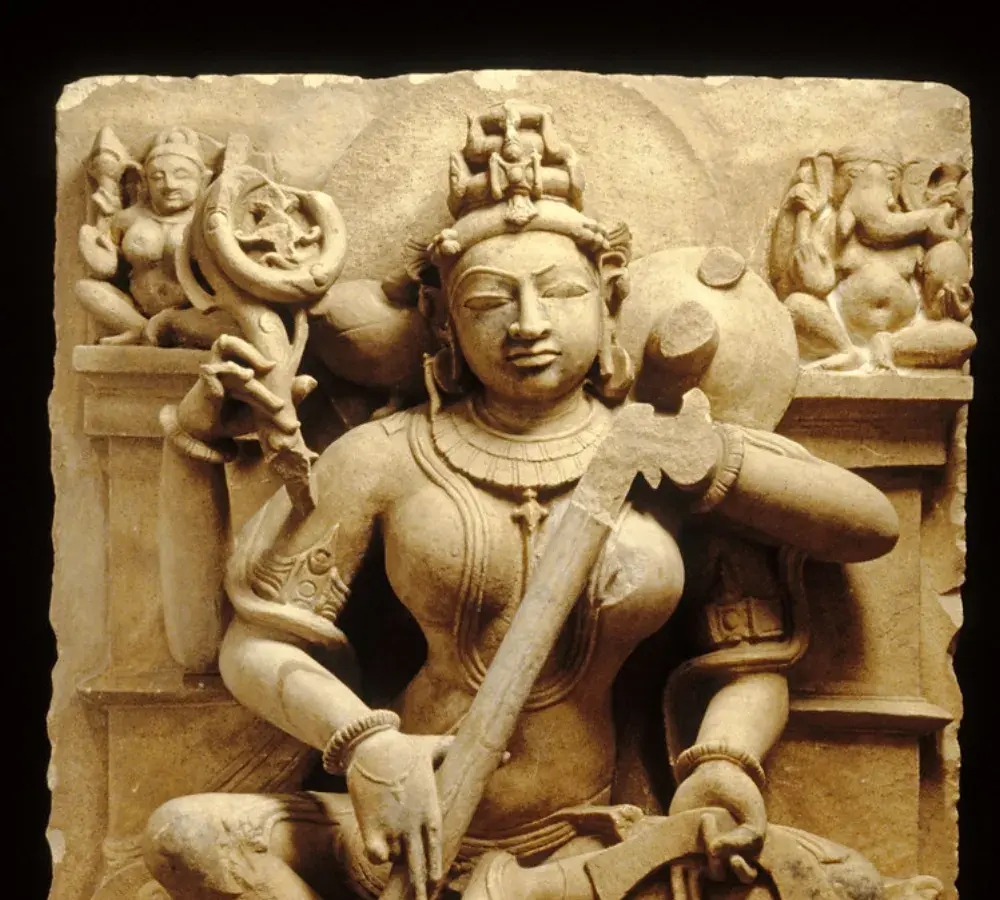
اسکریپتی که توسط برگ های نخل و دست نوشته های بودایی شکل گرفته است
ویژگی دایره ای اسکریپت میانمار یک انتخاب سبکی نیست - بلکه نتیجه مستقیم سطح نوشتن است. برای قرن ها، متون در میانمار با استفاده از قلم باستانی بر روی برگ های نخل خشک شده حک می شدند. خطوط مستقیم یا زاویه دار با دانه برگ بریده می شدند و باعث شکافتن آن می شدند و دست نوشته را از بین می بردند. خطوط منحنی به طور ایمن از دانه پیروی می کردند، به همین دلیل است که اسکریپت به سمت اشکال گرد مشخصه خود تکامل یافت. متون بودایی - کانون تیپیتاکا و تفاسیر آن - محتوای اصلی این سنت دست نوشته بودند و کتابخانه های برگ نخل در صومعه های سراسر میانمار هنوز هزاران جلد را در این قالب حفظ می کنند. بسیاری از مهم ترین اسناد تاریخی در سنت برمه ای تنها در این رسانه شکننده وجود دارند و پروژه های دیجیتالی سازی در تلاشند تا قبل از وخامت بیشتر، آنها را ثبت کنند.
برای اسناد مدرن، اسکریپت میانمار تحت یونیکد استاندارد شده است (بلوک U+1000 تا U+109F، با محدوده های گسترده برای زبان های اقلیت میانمار). انتقال از کدگذاری قدیمی Zawgyi - یک کدگذاری غیر استاندارد که به طور گسترده در میانمار قبل از پذیرش یونیکد استفاده می شد - به یونیکد یک چالش زیرساختی بزرگ بوده است. بسیاری از فایل های PDF قدیمی و اسناد دولتی تولید شده در میانمار قبل از حدود سال 2019 از Zawgyi استفاده می کردند که با فونت های میانمار یونیکد ناسازگار است و در صورت باز شدن با یک رندر کننده یونیکد به صورت متن درهم ریخته نمایش داده می شود. شناسایی کدگذاری یک PDF به زبان میانمار اولین قدم ضروری قبل از شروع هر ترجمه ای است. DocTranslator از متن میانمار یونیکد پشتیبانی می کند و برمه ای یونیکد را به درستی کدگذاری شده در سراسر سند ترجمه شده خروجی می دهد.
اسنادی که مردم بین انگلیسی و برمه ای ترجمه می کنند
تاریخ سیاسی پیچیده میانمار، جمعیت پناهنده بزرگ و دیاسپورای رو به رشد، نیازهای ترجمه اسناد را در طیف گسترده ای از دسته بندی ها ایجاد می کند. کارت شناسایی ملی میانمار - کارت ثبت نام ملی، که به اختصار NRC نامیده می شود - سند شناسایی اصلی است و ترجمه آن اغلب برای رویه های مهاجرت و اشتغال در خارج از کشور مورد نیاز است. انواع دیگر اسناد رایج عبارتند از:
- کارت های ثبت نام ملی میانمار (NRC) و گذرنامه برای درخواست های ویزا و اقامت در تایلند، مالزی، ژاپن و کشورهای غربی
- اسناد پناهندگی UNHCR برای روهینگیا و سایر افراد آواره که تحت اسکان مجدد به کشورهای ثالث قرار می گیرند
- ریز نمرات و دیپلم های دانشگاه یانگون و سایر دانشگاه های میانمار برای تشخیص اعتبار در خارج از کشور
- شناسنامه ها و اسناد ثبت خانواده (لیست خانوار میانمار) برای رویه های مهاجرت و پناهندگی
- اسناد ثبت کسب و کار، قراردادهای تجاری و پرونده های انطباق مربوط به اقتصاد میانمار و فعالیت سرمایه گذاری خارجی
- سوابق پزشکی و خلاصه ترخیص بیمارستان برای اعضای دیاسپورای میانمار که در کشورهای میزبان مراقبت می کنند
ترجمه هوش مصنوعی برای درک محتوای یک PDF ناآشنا به زبان برمه ای یا برای آماده سازی یک پیش نویس کاری برای بررسی مناسب است. برای ارائه های رسمی - درخواست های مهاجرت، ادعاهای پناهندگی، رویه های دادگاه، یا ارزیابی اعتبار - مقامات معمولاً به یک ترجمه گواهی شده که توسط یک مترجم انسانی واجد شرایط بررسی و تأیید شده است، نیاز دارند. ترجمه گواهی شده به ویژه برای پرونده های اسکان مجدد UNHCR و پرونده های مهاجرت USCIS، که در آن دقت سند به دقت مورد بررسی قرار می گیرد، اهمیت دارد.
قیمت ترجمه PDF از انگلیسی به برمه ای
رایگان ثبتنام کنید، به ازای هر سند پرداخت کنید و با رشد نیازهای ترجمه خود، ارتقا دهید.
Free
برای ثبتنام نیازی به کارت اعتباری نیست
- ترجمه ماشینی با هزینه ۰.۰۰۵ دلار در هر کلمه
- ۱ دلار برای هر صفحه برای اسکنها و PDFهای تصویری
- ۱۰۸ زبان
- فایلهای تا ۲۰ مگابایت و ۲۰ صفحه
- DOCX، PDF، XLSX، PPTX، IDML، TXT، JPG، PNG و CSV
- فقط ذخیرهسازی فایل ۲۴ ساعته
- ویرایشگر PDF و مبدل PDF به DOCX
پایه
محبوبترینپرداخت هفتگی · هر زمان لغو کنید
پرداخت ماهانه
پرداخت یک بار در سال · 33% صرفهجویی کنید
- ترجمه هوش مصنوعی گنجانده شده هر ماه
- سپس 0.005 دلار در هر کلمه ترجمه هوش مصنوعی
- فایلها تا 100 مگابایت و 300 صفحه
- DOCX، PDF، XLSX، PPTX، IDML، TXT، JPG، PNG و CSV
- OCR برای اسناد اسکن شده
- ذخیرهسازی اسناد
- پشتیبانی اولویتدار
- 7 روز دوره آزمایشی رایگان در طرح ماهانه
- لغو در هر زمان
Pro
پرداخت ماهانه
پرداخت یک بار در سال · 34% صرفهجویی کنید
- ترجمه هوش مصنوعی گنجانده شده هر ماه
- سپس 0.004 دلار در هر کلمه ترجمه هوش مصنوعی
- فایلها تا 1 گیگابایت و 5000 صفحه
- DOCX، PDF، XLSX، PPTX، IDML، TXT، JPG، PNG و CSV
- واژهنامه
- صف اولویتدار
- 5 صندلی تیمی
- درخواستهای API · 1000 صفحه در ماه
- دسترسی MCP برای دستیاران هوش مصنوعی
- لغو در هر زمان
کسب و کار
پرداخت ماهانه
پرداخت یک بار در سال · 33% صرفهجویی کنید
- ترجمه هوش مصنوعی گنجانده شده هر ماه
- سپس 0.003 دلار در هر کلمه ترجمه هوش مصنوعی
- فایلها تا 1 گیگابایت و 5000 صفحه
- DOCX، PDF، XLSX، PPTX، IDML، TXT، JPG، PNG و CSV
- واژهنامه
- صف اولویتدار
- 15 صندلی تیمی
- درخواستهای API · 5000 صفحه در ماه
- دسترسی MCP برای دستیاران هوش مصنوعی
- لغو در هر زمان
سازمانی
به حجم بیشتری، صورتحساب یا توافق سفارشی نیاز دارید؟ برای طرح Enterprise با ما صحبت کنید.
نحوه ترجمه PDF خود به برمه ای
ایجاد حساب رایگان
ثبت نام با ایمیل خود برای دسترسی به داشبورد ترجمه آنلاین.
فایل PDF خود را آپلود کنید
فایل خود را بکشید و رها کنید یا برای انتخاب آن مرور کنید. فایلهای تا 1 گیگابایت در طرحهای Pro و Business پشتیبانی میشوند.
زبان برمه ای را به عنوان زبان مقصد انتخاب کنید
زبان اصلی PDF خود را انتخاب کرده و برمه ای را به عنوان زبان مقصد تنظیم کنید. خروجی شامل اسکریپت میانمار با رندر صحیح با حفظ تمام ترکیبات انباشتگی صامت و دیگرافیک خواهد بود.
ترجمه و دانلود
روی «ترجمه» کلیک کنید و چند لحظه صبر کنید. PDF ترجمه شده شما به زبان برمه ای با حفظ طرح بندی اصلی برای دانلود آماده خواهد بود.
سوالات متداول ترجمه PDF از انگلیسی به برمه ای
آیا خط دایرهای میانمار در PDF ترجمه شده به درستی رندر میشود؟
بله. DocTranslator متن یونیکد برمهای (U+1000 تا U+109F) را با کدگذاری صحیح با انباشتگی صحیح خوشهها و ترکیبات دیگرافیک خروجی میدهد. فونتهایی که از بلوک کامل یونیکد برمهای پشتیبانی میکنند، تمام ۳۳ حرف صامت و علائم مصوت مربوط به آنها را به درستی نمایش میدهند. خطر اصلی در فایلهای PDF به زبان برمهای، کدگذاری قدیمی زاوگی (Zawgyi) است تا یونیکد - به سؤال زیر در مورد زاوگی مراجعه کنید.
کدگذاری زاوگی چیست و آیا بر PDF من تأثیر میگذارد؟
زاوگی یک کدگذاری غیر استاندارد برای خط میانمار است که قبل از انتقال کشور به یونیکد در حدود سال ۲۰۱۹ به طور گسترده در میانمار استفاده میشد. زاوگی حروف میانمار را به نقاط کد متفاوتی نسبت به یونیکد نگاشت میکند، بنابراین متنی که با زاوگی کدگذاری شده است هنگام باز شدن با فونت یونیکد برمهای درهم ریخته به نظر میرسد و بالعکس. بسیاری از اسناد قدیمی دولتی، قراردادهای تجاری و سوابق دانشگاهی که قبل از انتقال در میانمار تولید شدهاند ممکن است به زبان زاوگی باشند. DocTranslator با متن برمهای کدگذاری شده با یونیکد کار میکند. اگر فایل PDF منبع شما با زاوگی ایجاد شده باشد، ممکن است متن قبل از ترجمه نیاز به تبدیل داشته باشد.
ماهیت لحنی برمهای چگونه بر کیفیت ترجمه تأثیر میگذارد؟
برمهای دارای چهار لحن است: خشن، پایین، بالا و متوقف شده. لحنها معنا را بین هجاهای یکسان متمایز میکنند، بنابراین باید از طریق علائم دیگرافیک مناسب در خروجی نوشتاری به درستی نمایش داده شوند. در خط نوشتاری، لحنها با حروف ترکیبی خاصی که روی حرف صامت قرار میگیرند، علامتگذاری میشوند. موتورهای ترجمه هوش مصنوعی که بر روی متن برمهای آموزش دیدهاند، این الگوها را یاد میگیرند و علائم لحنی صحیح را در خروجی تولید میکنند. دقت بصری علائم در PDF نهایی به خط لوله رندر و پشتیبانی فونت بستگی دارد.
بیشترین اسناد برمهای که دیاسپورای میانمار به ترجمه آنها نیاز دارد کدامند؟
رایج ترین اسناد ترجمه شده عبارتند از کارت ثبت نام ملی میانمار (NRC)، گذرنامه، شناسنامه، ثبت خانواده (لیست خانواده) و ریز نمرات دانشگاهی از موسساتی مانند دانشگاه یانگون. برای پناهندگان و پناهجویان، اسناد UNHCR نیز اغلب برای رویه های اسکان مجدد در کشورهای ثالث ترجمه می شود. برای پرونده های رسمی مهاجرت، یک ترجمه گواهی شده امضا شده توسط یک مترجم انسانی واجد شرایط توسط اکثر مقامات مهاجرت مورد نیاز است.
آیا DocTranslator میتواند فایلهای PDF برمهای را که بین کلمات فاصله ندارند، مدیریت کند؟
بله. مانند تایلندی و خمر، برمهای از فاصلهها بین کلمات استفاده نمیکند - هجاها به طور مداوم اجرا میشوند و مرز کلمات توسط ساختار هجا و زمینه تعیین میشود. مدلهای ترجمه هوش مصنوعی که بر روی برمهای آموزش دیدهاند، تقسیمبندی کلمات را به عنوان بخشی از فرآیند ترجمه به صورت داخلی مدیریت میکنند. شما نیازی به پیشپردازش یا تقسیم دستی متن منبع برمهای قبل از آپلود آن ندارید.
چه اندازه فایل PDF برمهای را میتوانم ترجمه کنم؟
تا ۱ گیگابایت یا ۵۰۰۰ صفحه در طرحهای Pro و Business، ۱۰۰ مگابایت و ۳۰۰ صفحه در طرح Basic، و ۲۰ مگابایت و ۲۰ صفحه در طرح Free. ترجمه یک نمونه کوتاه اولیه از ۰.۹۹ دلار شروع میشود و برای تأیید اینکه رندر اسکریپت میانمار و قالببندی چگونه در یک سند نمونه مدیریت میشوند، کافی است قبل از تعهد به یک ترجمه کامل.
آیا میتوانم از برمهای به انگلیسی و همچنین از انگلیسی به برمهای ترجمه کنم؟
بله. جفت زبانی برمهای-انگلیسی در هر دو جهت کار میکند. ترجمه یک سند PDF به زبان برمهای به انگلیسی برای اعضای دیاسپورا که کارتهای NRC، اسناد ثبت خانوار یا رونوشتهای دانشگاهی را با کارفرمایان، مقامات مهاجرت یا مؤسسات آموزشی در خارج از کشور به اشتراک میگذارند، رایج است. ترجمه از انگلیسی به برمهای برای ارتباط با گیرندگان در میانمار یا برای تولید اسناد مورد نیاز در سیستم دولتی میانمار استفاده میشود.
امروز PDF خود را به برمه ای ترجمه کنید
DocTranslator فایل های PDF را به صورت آنلاین به برمه ای تبدیل می کند، اسکریپت دایره ای میانمار را به درستی در تمام 33 صامت و ترکیبات دیگرافیک رندر می کند، طرح بندی سند شما را حفظ می کند و از فایل هایی تا حجم 1 گیگابایت پشتیبانی می کند.
ابزارهای مرتبط
ترجمه PDF بر اساس زبان
انواع اسناد
شرکای ما