
Translate PDF to Romanian
Convert PDFs to Romanian with all five diacritic letters rendered correctly: comma-below s and t (not cedilla substitutes), plus a-breve and the two central vowel forms. Layout and formatting are preserved. Files up to 1 GB.
Upload or drop document to translate
Max. file size 1 GB
- OCR for scans and photos
- 108 languages
- Original layout kept
What happens when you translate a PDF into Romanian
Romanian uses the Latin alphabet, which might suggest that translating a PDF into it is straightforward. In practice, the five letters unique to Romanian cause more rendering problems than the script itself. The five diacritic characters are a-breve (a with a curved mark above), a-circumflex and i-circumflex (representing central vowel sounds), s-comma (the sh sound, written with a comma beneath the s), and t-comma (the ts sound, written with a comma beneath the t). The critical distinction is between comma-below and cedilla: Romanian officially uses comma-below forms, but many fonts, older keyboards, and poorly-exported PDFs substitute cedilla versions that look similar on screen but are technically incorrect and cause sorting and search failures in digital documents. DocTranslator outputs the correct comma-below forms throughout the translated PDF.
Romanian grammar adds complexity at the structural level. It is a Romance language, in the same family as French, Italian, Spanish, and Portuguese, but it retained features from Latin that the western branches abandoned. Romanian has three grammatical genders: masculine, feminine, and neuter. The definite article is not a separate word placed before the noun but a suffix attached to the end of it. The word for "man" is "om," and "the man" is "omul." The word for "woman" is "femeie," and "the woman" is "femeia." A translation engine that does not account for this agglutinative pattern will produce unnatural output where articles are misplaced. Romanian also preserves the Latin case system, with nominative, genitive, dative, accusative, and vocative forms, making translated noun phrases highly inflected in ways that English has no equivalent for.
Romanian is spoken by around 25 million people. The main concentration is in Romania itself, with around 19 million speakers, and Moldova, with around 3 million, where the language is constitutionally called Moldovan but is linguistically the same language. Large diaspora communities exist across Italy (around 1.2 million), Spain (around 700,000), Germany (around 500,000), and the United Kingdom (around 300,000). Romania joined the European Union in 2007, making Romanian an official EU language, and Moldova applied for membership in 2022. This means that Romanian-language PDFs frequently carry legal and administrative significance across multiple European jurisdictions.
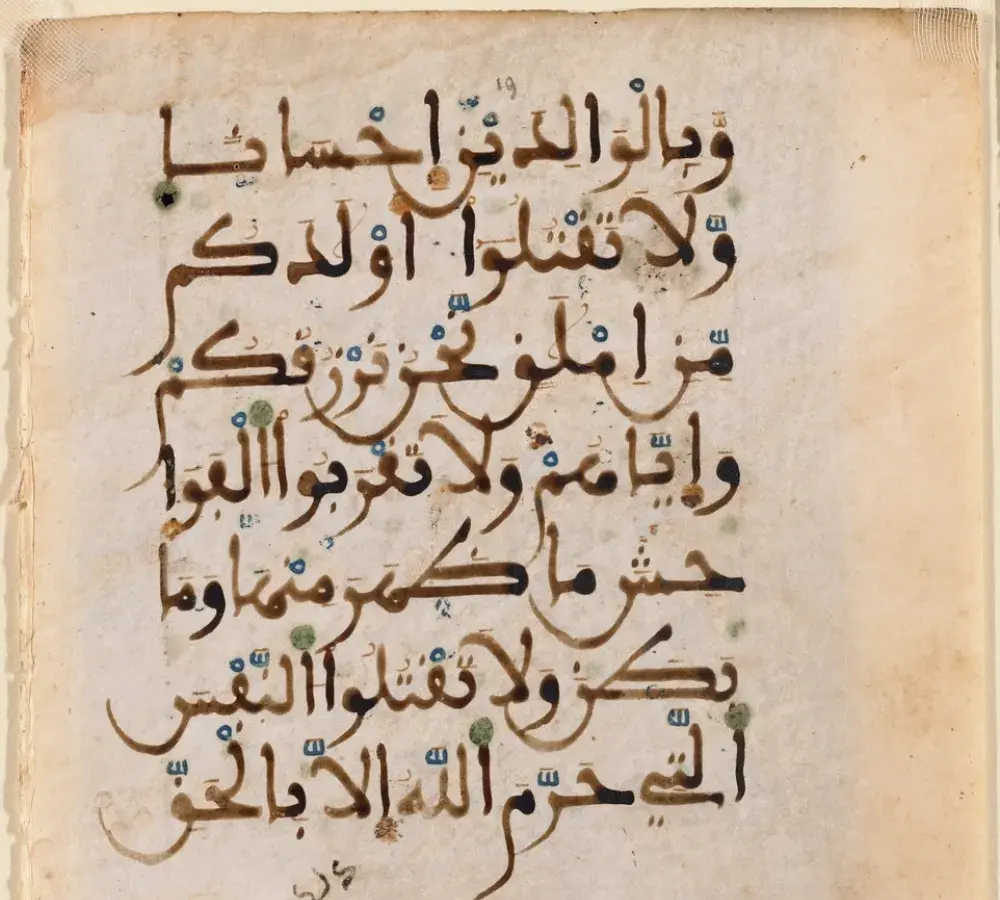
Romanian used Cyrillic script until the 1860s
Romanian is the only major Romance language that was historically written in Cyrillic characters. Before the adoption of the Latin alphabet in the 1860s, Romanian texts (religious manuscripts, legal decrees, correspondence) were written using Cyrillic letters adapted to represent Romanian sounds. This means that 19th-century Romanian documents require specialist handling: they are written in Cyrillic but encode a Romance language with very different phonology from Slavic languages. A translation project involving historical Romanian records must first identify the script era before any automated processing can begin.
For modern documents, the current Latin-script Romanian standard has been in use for over 160 years, and the language has a mature written tradition in law, academia, and public administration. Romanian is an official language of the EU and of several international organizations. University of Bucharest diplomas, Romanian national identity documents (the buletin), and Romanian driving licenses are all documents that regularly cross borders within Europe. The large Romanian diaspora in Italy and Spain in particular generates steady demand for translating Romanian identity and civil status documents into Italian, Spanish, and English for residence, employment, and family reunification procedures.
Documents people translate between English and Romanian
The Romanian diaspora across EU countries, combined with Romania's EU membership and Moldova's candidate status, creates consistent demand for document translation in both directions. The most common document types include:
- Romanian national identity documents (buletin) and passports for residence registration in Italy, Spain, Germany, and the UK
- Romanian driving licenses submitted for exchange into EU host-country licenses
- Birth certificates, marriage certificates, and divorce certificates for civil status recognition across EU member states
- Academic diplomas and transcripts from Romanian universities, including University of Bucharest, for credential recognition abroad
- Notarial documents and powers of attorney used in cross-border property transactions or inheritance proceedings
- Tax documents and freelance contracts for Romanian professionals working remotely for EU and UK employers
AI translation works well for reading a document, preparing a working draft, or understanding the content of an unfamiliar Romanian-language PDF. Official submissions to a government office, immigration authority, or court typically require a certified translation reviewed and signed by a qualified human translator.
English to Romanian PDF translation pricing
Sign up free, pay per document, and upgrade as your translation needs grow.
Free
No card needed to sign up
- $0.005/word AI translation
- $1 per page for scans and image PDFs
- 108 languages
- Files up to 20 MB and 20 pages
- DOCX, PDF, XLSX, PPTX, IDML, TXT, JPG, PNG and CSV
- 24-hour file storage only
- PDF editor and PDF to DOCX converter
Basic
Most popularBilled every week · cancel any time
Billed monthly
Billed once a year · save 33%
- AI translation included every month
- Then $0.005/word AI translation
- Files up to 100 MB and 300 pages
- DOCX, PDF, XLSX, PPTX, IDML, TXT, JPG, PNG and CSV
- OCR for scanned documents
- Document storage
- Priority support
- 7-day free trial on the monthly plan
- Cancel any time
Pro
Billed monthly
Billed once a year · save 34%
- AI translation included every month
- Then $0.004/word AI translation
- Files up to 1 GB and 5,000 pages
- DOCX, PDF, XLSX, PPTX, IDML, TXT, JPG, PNG and CSV
- Glossary
- Priority queue
- 5 team seats
- API requests · 1,000 pages a month
- MCP access for AI assistants
- Cancel any time
Business
Billed monthly
Billed once a year · save 33%
- AI translation included every month
- Then $0.003/word AI translation
- Files up to 1 GB and 5,000 pages
- DOCX, PDF, XLSX, PPTX, IDML, TXT, JPG, PNG and CSV
- Glossary
- Priority queue
- 15 team seats
- API requests · 5,000 pages a month
- MCP access for AI assistants
- Cancel any time
Enterprise
Need more volume, invoicing or a custom agreement? Talk to us about an Enterprise plan.
How to translate your PDF to Romanian
Create a free account
Sign up with your email to access the online translation dashboard.
Upload your PDF file
Drag and drop your file or browse to select it. Files up to 1 GB are supported on the Pro and Business plans.
Choose Romanian as target language
Select the original language of your PDF and set Romanian as the target language. The output will include all Romanian diacritic characters rendered correctly.
Translate and download
Click "Translate" and wait a few moments. Your translated PDF will be ready to download in Romanian with the original layout preserved.
English to Romanian PDF translation FAQ
Will the Romanian diacritic letters render correctly in the translated PDF?
Yes. Romanian has five letters not found in the basic Latin alphabet: a-breve, a-circumflex, i-circumflex, s-comma-below, and t-comma-below. The most common rendering error in converted PDFs is substituting s-cedilla and t-cedilla for the correct comma-below variants. DocTranslator outputs the correct Unicode code points so the text is both visually correct and digitally searchable.
How does Romanian grammar affect the quality of PDF translation?
Romanian is a Romance language with a case system inherited from Latin: nominative, genitive, dative, accusative, and vocative. It also has three grammatical genders and attaches the definite article as a suffix to the noun rather than placing a separate word before it. These features mean that noun phrases and adjective agreements must be handled correctly for the output to read naturally. AI models trained on Romanian text handle these patterns well for most document types.
Is there a difference between Romanian as spoken in Romania and in Moldova?
The written standard is essentially the same. Moldova constitutionally called the language Moldovan for political reasons, but linguists and the Constitutional Court of Moldova have confirmed it is Romanian. The written register used in official documents, legal texts, and academic papers is identical across both countries. DocTranslator outputs standard literary Romanian, which is correct for documents from either country.
What Romanian identity documents are commonly translated for EU immigration purposes?
The most frequently translated documents are the Romanian national identity card (buletin), driving license, birth certificate, and marriage or divorce certificate. Romanian citizens moving to Italy, Spain, Germany, or the UK typically need these translated for residence registration, driving license exchange, or family reunification procedures. For official submissions to government authorities, a certified translation is required rather than an AI-generated draft.
How large a Romanian PDF can I translate?
Up to 1 GB or 5,000 pages on Pro and Business, 100 MB and 300 pages on Basic, and 20 MB and 20 pages on Free. Translating a short sample first costs from $0.99 and is enough to check how Romanian diacritics and formatting are handled on a sample before committing to a full document.
Can I translate from Romanian into English as well as from English into Romanian?
Yes. The Romanian-English pair works in both directions. Translating a Romanian PDF into English is common for diaspora members sharing documents with non-Romanian-speaking employers or authorities, and for companies reviewing Romanian-language contracts or regulatory filings.
How should I handle 19th-century Romanian documents written in Cyrillic script?
Romanian used Cyrillic script until the 1860s. Documents from that era are written in Cyrillic letters but encode a Romance language, which means standard OCR and automated translation tools designed for Slavic Cyrillic languages will not process them correctly. For historical Romanian documents in Cyrillic script, specialist human translators with expertise in pre-modern Romanian are needed. DocTranslator is designed for modern Latin-script Romanian PDFs.
Translate your PDF to Romanian today
DocTranslator converts PDFs to Romanian online, rendering all five diacritic characters correctly including the comma-below s and t forms, preserving your document layout, and supporting files up to 1 GB.
Related Tools
Translate PDF by Language
Document Types
Our Partners