
Tradu PDF în greacă
Convertiți PDF-uri în greacă cu întregul alfabet grecesc redat corect, semnele de accent monotonic păstrate pe fiecare cuvânt și textul reformatat automat, deoarece traducerile în greacă rulează de obicei mai mult decât sursa în engleză. Fișiere de până la 1 GB.
Încarcă sau trage fișierul pentru traducere
Dimensiune maximă fișier 1 GB
- OCR pentru scanări și fotografii
- 108 limbi
- Aspectul original păstrat
Ce se întâmplă când traduci un PDF în greacă
Greaca folosește propriul alfabet de 24 de litere, strămoșul atât al scrierilor latină, cât și chirilică, totuși textul grecesc modern este complet ilizibil pentru oricine citește doar caractere latine sau chirilice. Când traduci un PDF în greacă, motorul de redare trebuie să încorporeze un font care acoperă setul complet de caractere grecești, inclusiv semnul accentului acut utilizat în ortografia monotonică a limbii grecești moderne, unde fiecare cuvânt polisilabic poartă exact un accent. Fără fontul corect, textul grecesc se degradează în casete de substituție sau glife rupte în PDF-ul exportat.
O a doua provocare de layout este expansiunea textului. Greaca este o limbă foarte flexionară, cu patru cazuri gramaticale (nominativ, genitiv, acuzativ și vocativ), trei genuri și conjugarea completă a verbelor în șase persoane. Aceste structuri gramaticale adaugă cuvinte și silabe care nu au un corespondent direct în engleză. Ca urmare, textul grecesc dintr-un PDF tradus este în mod constant mai lung decât sursa engleză, adesea cu 15 până la 25%. Casetele de text fixe din PDF-ul original trebuie rearanjate pentru a preveni tăierea cuvintelor grecești sau revărsarea lor în coloanele adiacente. DocTranslator gestionează acest lucru automat, astfel încât documentul de ieșire să rămână lizibil și corect aranjat.
Există, de asemenea, o problemă de registru istoric care afectează documentele mai vechi. Greaca modernă folosește sistemul de ortografie monotonică din 1982, unde un singur semn de accent (acutul) este plasat pe fiecare cuvânt. Documentele scrise înainte de 1982 și toate documentele oficiale ale guvernului grec înainte de 1976 au folosit un registru formal diferit numit katharevousa, care a utilizat ortografia politonică cu trei semne distincte de accent și spirite, și o structură gramaticală arhaică mai apropiată de greaca veche. Dacă lucrați cu documente guvernamentale grecești pre-1976 sau acte juridice mai vechi, textul sursă poate fi în katharevousa politonică. Documentele contemporane, în contrast, folosesc greaca modernă standard (demotică) în sistemul monotonic, care este ceea ce țintește ieșirea traducerii.
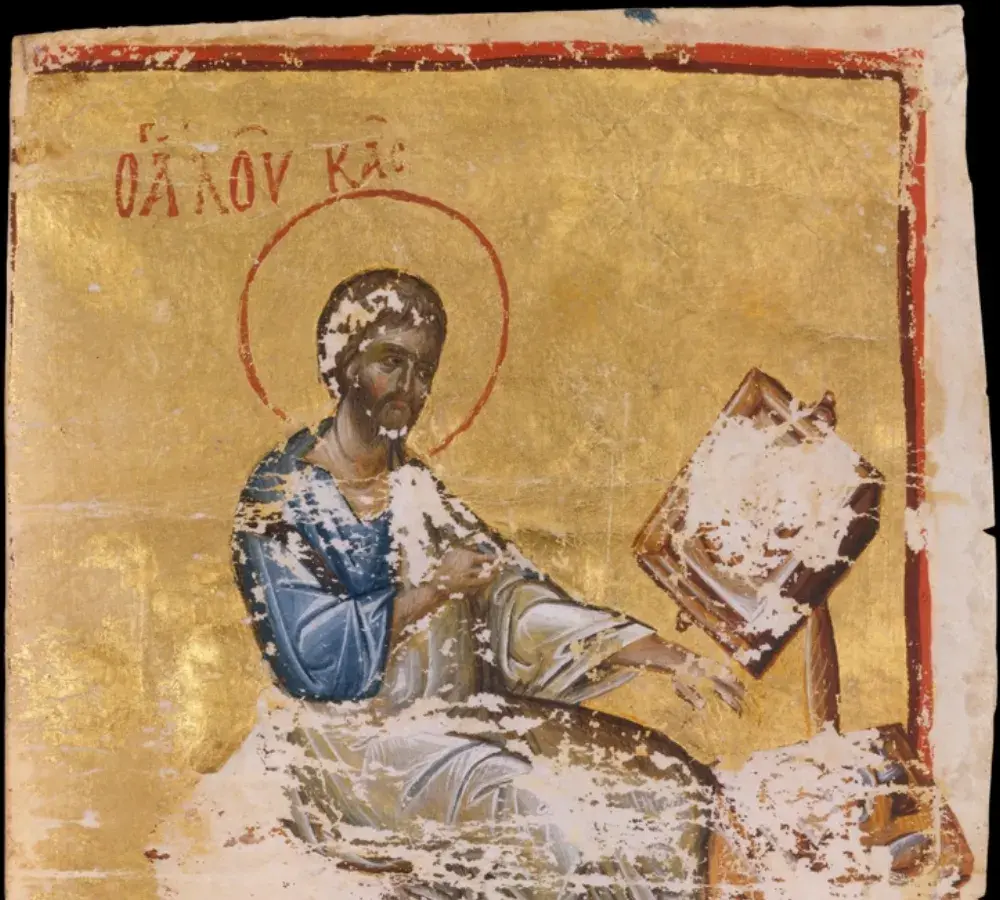
Greaca are greutate juridică în UE și o tradiție scrisă de 3.000 de ani
Greaca modernă are peste 13 milioane de vorbitori nativi, concentrați în Grecia și Cipru. Ca limbă oficială a Uniunii Europene, greaca are statut juridic complet în toate documentele oficiale, reglementările și procedurile judiciare ale UE. Un contract emis de o autoritate greacă sau cipriotă este obligatoriu din punct de vedere legal în textul său grecesc, iar directivele UE sunt publicate în greacă alături de celelalte 23 de limbi oficiale ale UE. Cipru folosește greaca ca una dintre cele două limbi oficiale alături de turcă, astfel încât documentele guvernamentale cipriote, actele de proprietate și ordinele judecătorești sunt emise în greacă și pot necesita traducere pentru părțile din alte țări.
Rădăcinile grecești stau la baza unei mari părți din vocabularul științific și medical global. Termeni precum cardiologie, pneumonie, democrație și fotografie sunt construiți direct din cuvinte grecești. Acest lucru înseamnă că documentele tehnice și medicale grecești sunt bogate în cognate care par familiare cititorilor de limbă engleză la suprafață, dar totuși necesită o traducere atentă, deoarece formele gramaticale grecești, terminațiile de caz și structurile compuse diferă semnificativ de derivatele lor englezești. Un raport medical grecesc de la un spital public, de exemplu, folosește proza standard modernă grecească cu terminologie tehnică flexionară pe care un motor de traducere trebuie să o analizeze cu precizie, mai degrabă decât să împrumute pur și simplu cuvântul rădăcină.
Documente pe care oamenii le traduc între engleză și greacă
Traducerea documentelor în greacă este determinată de apartenența Greciei și a Ciprului la UE, o comunitate importantă de diasporă în Statele Unite și Australia și volumul de afaceri internaționale, turism și schimb academic care implică ambele țări. Tipurile comune de documente care circulă între greacă și engleză includ:
- Pașapoarte și cărți de identitate naționale grecești pentru cereri de viză și imigrare
- Acte notariale și contracte de proprietate pentru tranzacții imobiliare grecești și cipriote
- Diplome academice și foaie matricolă de la Universitatea din Atena și alte universități grecești
- Rapoarte medicale de la spitale publice grecești, inclusiv rezumate de externare și rezultate diagnostice
- Contracte juridice UE emise sub legea greacă sau cipriotă, inclusiv acte constitutive și acorduri între acționari
- Certificate de divorț și documente de stare civilă pentru comunitățile de diasporă din SUA și Australia
Traducerea automată prin AI funcționează bine pentru înțelegerea unui document, pregătirea unui draft de lucru sau partajarea conținutului intern. Trimiterile oficiale către agențiile guvernamentale sau autoritățile de imigrare necesită o traducere certificată, revizuită de un om. Pentru documentele trimise agențiilor de imigrare din SUA, consultați serviciul nostru de traducere autorizată USCIS.
Prețuri pentru traducerea PDF din engleză în greacă
Înregistrați-vă gratuit, plătiți per document și faceți upgrade pe măsură ce nevoile dvs. de traducere cresc.
Free
Nu este necesar cardul pentru înregistrare
- Traducere AI de 0,005 $/cuvânt
- 1 USD per pagină pentru scanări și PDF-uri imagine
- 108 limbi
- Fișiere de până la 20 MB și 20 de pagini
- DOCX, PDF, XLSX, PPTX, IDML, TXT, JPG, PNG și CSV
- Stocare fișiere doar 24 de ore
- Editor PDF și convertor PDF în DOCX
Basic
Cel mai popularFacturare săptămânală · anulați oricând
Facturare lunară
Facturare anuală · economisiți 33%
- Traducere AI inclusă în fiecare lună
- Apoi 0,005 $/cuvânt traducere AI
- Fișiere de până la 100 MB și 300 de pagini
- DOCX, PDF, XLSX, PPTX, IDML, TXT, JPG, PNG și CSV
- OCR pentru documente scanate
- Stocare documente
- Suport prioritar
- 7 zile de încercare gratuită pentru planul lunar
- Anulați oricând
Pro
Facturare lunară
Facturare anuală · economisiți 34%
- Traducere AI inclusă în fiecare lună
- Apoi 0,004 $/cuvânt traducere AI
- Fișiere de până la 1 GB și 5.000 de pagini
- DOCX, PDF, XLSX, PPTX, IDML, TXT, JPG, PNG și CSV
- Glosar
- Coadă prioritară
- 5 locuri în echipă
- Solicitări API · 1.000 de pagini pe lună
- Acces MCP pentru asistenți AI
- Anulați oricând
Business
Facturare lunară
Facturare anuală · economisiți 33%
- Traducere AI inclusă în fiecare lună
- Apoi 0,003 $/cuvânt traducere AI
- Fișiere de până la 1 GB și 5.000 de pagini
- DOCX, PDF, XLSX, PPTX, IDML, TXT, JPG, PNG și CSV
- Glosar
- Coadă prioritară
- 15 locuri în echipă
- Solicitări API · 5.000 de pagini pe lună
- Acces MCP pentru asistenți AI
- Anulați oricând
Enterprise
Aveți nevoie de mai mult volum, facturare sau un acord personalizat? Discutați cu noi despre un plan Enterprise.
Cum să-ți traduci PDF-ul în greacă
Creați un cont gratuit
Înregistrați-vă cu emailul dumneavoastră pentru a accesa tabloul de bord de traducere online.
Încărcați fișierul PDF
Glisați și fixați fișierul sau răsfoiți pentru a-l selecta. Fișierele de până la 1 GB sunt acceptate în planurile Pro și Business.
Alege greaca ca limbă țintă
Selectați limba originală a PDF-ului dvs. și setați greaca ca limbă țintă. Motorul aplică alfabetul complet grecesc și semnele de accent monotonic la fiecare cuvânt din ieșire.
Traduceți și descărcați
Faceți clic pe „Tradu” și așteptați câteva momente. PDF-ul tradus va fi gata de descărcare în greacă, cu rearanjarea textului aplicată pentru a acomoda ieșirea mai lungă în greacă.
Explorați mai multe servicii de traducere de documente
Întrebări frecvente despre traducerea PDF din engleză în greacă
Se vor reda corect alfabetul grecesc și semnele de accent în ieșirea PDF?
Da. DocTranslator încorporează un font care acoperă întregul alfabet grecesc de 24 de litere și semnul accentului acut utilizat în ortografia monotonică modernă grecească. Fiecare cuvânt polisilabic din ieșire poartă accentul corect, astfel încât textul grecesc să fie corect lizibil, în loc să apară căsuțe de substituție.
De ce PDF-ul meu grecesc tradus arată mai lung decât documentul original în engleză?
Greaca este o limbă foarte flexionară, cu patru cazuri gramaticale și conjugare completă a verbelor în șase persoane. Aceste structuri adaugă silabe și cuvinte care nu au un echivalent direct în engleză. Traducerile în greacă sunt de obicei cu 15 până la 25% mai lungi decât sursa. DocTranslator rearanjează automat textul, astfel încât conținutul să nu fie tăiat, dar PDF-urile foarte strâns formatate ar putea necesita ajustări minore ale aspectului după traducere.
Poate DocTranslator să gestioneze documente grecești mai vechi scrise în ortografie katharevousa sau politonică?
Motorul de traducere citește intrarea în greacă politonică (cu multiple semne de accent și spirite) din documente mai vechi și produce ieșire în greacă modernă standard (demotică) în ortografie monotonică. Dacă trebuie să traduceți un document guvernamental grecesc dinainte de 1976 sau un text academic dinainte de 1982 care folosește katharevousa, sistemul îl va procesa, deși se recomandă o revizuire specializată juridică sau arhivistică pentru uz formal.
Este greaca o alegere bună pentru traducerea contractelor și documentelor juridice UE?
Greaca este una dintre cele 24 de limbi oficiale ale Uniunii Europene, astfel încât versiunile în limba greacă ale contractelor, reglementărilor și ordinelor judecătorești UE au valoare juridică deplină. Documentele emise de autoritățile grecești sau cipriote sunt obligatorii în textul lor grecesc. Traducerea AI funcționează bine pentru citire și redactare. Pentru depunerea oficială la un tribunal sau un organism guvernamental, un traducător uman certificat ar trebui să revizuiască ieșirea.
Am nevoie de traducere certificată pentru documentele grecești depuse la autoritățile de imigrare din SUA?
Da. USCIS necesită ca toate documentele în limbi străine depuse împreună cu cererile de imigrare să fie însoțite de o traducere certificată în limba engleză. Dacă traduceți un pașaport, certificat de naștere sau certificat de divorț grecesc pentru o depunere de imigrare în SUA, consultați serviciul nostru de traducere autorizată USCIS pentru o ieșire revizuită de un om și certificată.
Pot traduce din greacă în engleză, precum și din engleză în greacă?
Da. Traducerea documentelor în greacă funcționează în ambele direcții. Traducerea unui PDF grecesc în engleză este utilă pentru citirea rapoartelor medicale grecești, a foilor matricole universitare din Atena, a actelor de proprietate cipriote sau a contractelor UE în limba greacă. Perechea este complet bidirecțională în cadrul aceluiași flux de încărcare.
Cât de mare este un PDF grecesc pe care îl pot traduce online?
Fișierele de până la 1 GB și până la 5.000 de pagini sunt acceptate pe planurile Pro și Business, cu limite mai mici de 100 MB și 300 de pagini pe Basic și 20 MB și 20 de pagini pe Free. Traducerea unui extras de una sau două pagini mai întâi costă de la 0,99 USD, ceea ce este suficient pentru a verifica dacă alfabetul grecesc, semnele diacritice și reîncadrarea textului arată corect pe un eșantion al documentului dvs. înainte de a vă angaja la o traducere completă.
Tradu-ți PDF-ul în greacă astăzi
DocTranslator convertește PDF-uri între engleză și greacă online, redând corect alfabetul complet grecesc de 24 de litere cu semne de accent monotonic și rearanjând automat textul pentru a gestiona ieșirea mai lungă în greacă, cu suport pentru fișiere de până la 1 GB.
Instrumente conexe
Traduceți PDF după limbă
Tipuri de documente
Partenerii Noștri