
ترجمه PDF به اسلواکی
فایلهای PDF را به اسلواکی تبدیل کنید، با حروف دیگرافیک که به درستی رندر میشوند، گرامر هفت حالته که توسط هوش مصنوعی آموزش دیده بر روی متن اسلواکی مدیریت میشود، و طرحبندی اصلی حفظ میشود. فایلهایی تا حجم ۱ گیگابایت در طرحهای Pro و Business.
بارگذاری یا رها کردن سند برای ترجمه
حداکثر حجم فایل 1 GB
- تشخیص نوری کاراکتر برای اسکنها و عکسها
- ۱۰۸ زبان
- طرحبندی اصلی حفظ میشود
هنگام ترجمه PDF به اسلواکی چه اتفاقی میافتد
اسلواکی یک زبان اسلاوی غربی است که با الفبای لاتین با مجموعهای از حروف دیگرافیک نوشته میشود که نیاز به پردازش صحیح یونیکد در هر PDF ترجمه شده دارد. الفبای اسلواکی شامل حروف مانند a-حاد، e-حاد، i-حاد، o-حاد، u-حاد، y-حاد، و l-حاد برای واکههای بلند، به علاوه c-کارون، d-کارون، l-کارون، n-کارون، r-کارون، s-کارون، t-کارون، و z-کارون برای صامتهای کامی یا سیبیلان است. دو حرف شایسته توجه ویژه هستند: "dz" و "dz-کارون" که به عنوان حروف منفرد در الفبای اسلواکی در نظر گرفته میشوند. فونتهای جاسازی شده در یک PDF باید مجموعه کامل کاراکترهای اسلواکی را پوشش دهند، در غیر این صورت ترجمه خروجی جعبههای جایگزین یا جایگزینهای نادرست را نشان میدهد. DocTranslator هر کاراکتر یونیکد اسلواکی را به درستی در PDF خروجی نگاشت میکند تا حروف در هر دو زمینه چاپی و دیجیتالی همانطور که باید ظاهر شوند.
گرامر اسلواکی در سطح صرفی به طور قابل توجهی پیچیدهتر از انگلیسی است. این زبان دارای سه جنسیت دستوری (مذکر، مؤنث و خنثی) و هفت حالت دستوری است: فاعلی، اضافه، داتی، مفعولی، مکانی، ابزاری و ندایی. هر اسم، صفت، ضمیر و عدد بسته به نقش دستوری خود در جمله، پایان خود را تغییر میدهد. این سیستم صرفی به این معنی است که یک عبارت اسمی انگلیسی مانند "با سند جدید" ممکن است بسته به زمینه، چندین شکل کلمه متمایز اسلواکی تولید کند. یک ویژگی منحصر به فرد اسلواکی در میان زبانهای اسلاوی غربی، قانون کوتاهسازی ریتمیک است: اسلواکی اجازه دو هجای بلند متوالی در یک کلمه را نمیدهد. در حالی که چکی میتواند دنبالهای از واکههای بلند داشته باشد، اسلواکی به طور خودکار دومی را کوتاه میکند. یک مدل ترجمه هوش مصنوعی که این قانون آوایی را نادیده میگیرد، اشکالی تولید میکند که سخنوران بومی اسلواکی بلافاصله آنها را خارجی یا غیرطبیعی تشخیص میدهند.
اسلواکی حدود ۵.۵ میلیون سخنور بومی دارد. اسلواکی عضو کامل اتحادیه اروپا است و این زبان را به یکی از ۲۴ زبان رسمی اتحادیه اروپا تبدیل میکند. این وضعیت به این معنی است که PDFهای به زبان اسلواکی به طور منظم در سراسر نهادهای اتحادیه اروپا اعتبار قانونی دارند. فراتر از خود اسلواکی، جوامع دیاسپورای قابل توجهی از سخنوران اسلواکی در جمهوری چک (تخمین زده شده ۱۰۰,۰۰۰ تا ۲۰۰,۰۰۰ نفر)، بریتانیا (حدود ۲۰۰,۰۰۰ نفر)، ایالات متحده و استرالیا زندگی میکنند. اسلواکی و چکی در زمینههای غیررسمی تا حد زیادی قابل درک متقابل هستند، اما آنها زبانهای استاندارد متمایزی با قراردادهای نوشتاری متفاوت، انتخابهای واژگانی متفاوت در سبکهای رسمی و قوانین دستوری متفاوت هستند. یک سند ترجمه شده به چکی برای اهداف رسمی به عنوان یک سند به زبان اسلواکی عمل نخواهد کرد و بالعکس.
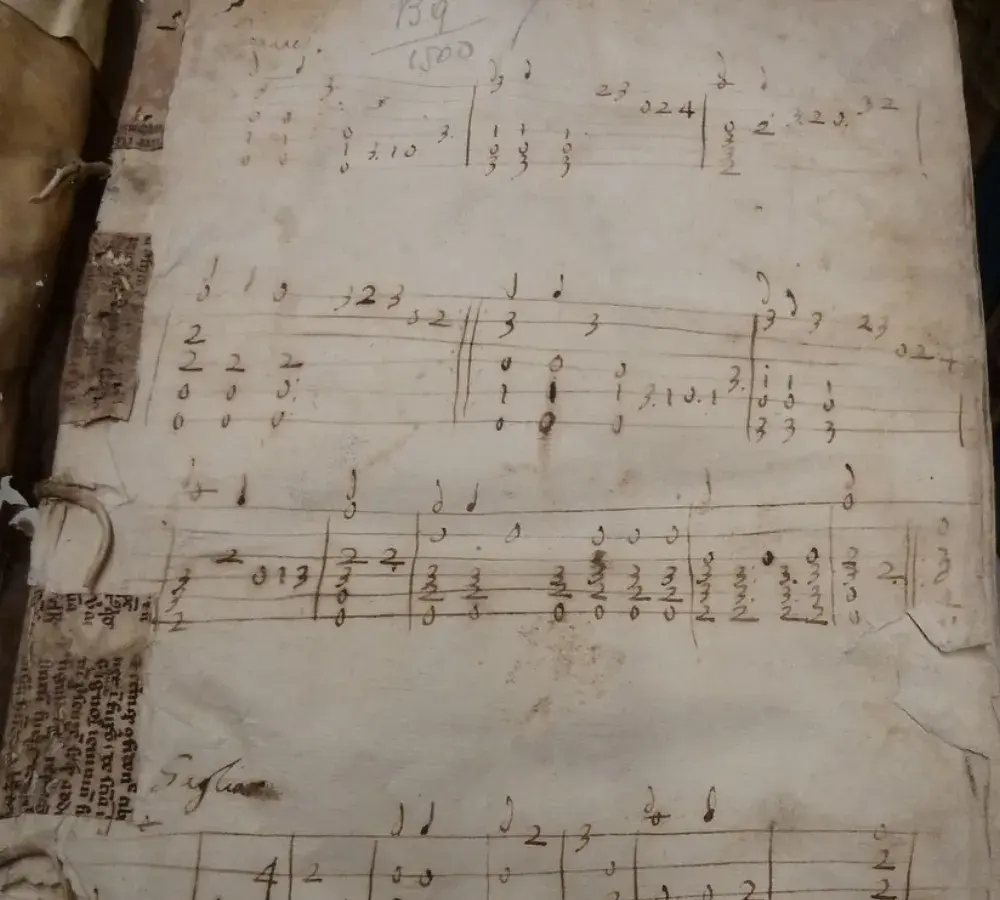
سنت نوشتاری اسلواکی و رابطه آن با چکی
اولین سوابق مکتوب از قلمرو اسلواکی امروزی به زبان لاتین بود و متون مذهبی در طول دورههای قرون وسطی و اوایل مدرن در کنار لاتین از اسلاوی کلیسایی استفاده میکردند. اسلواکی به عنوان یک استاندارد نوشتاری متمایز در سال ۱۷۸۷ توسط آنتون برنولاک کدگذاری شد، که زبان ادبی را بر اساس گویشهای غربی اسلواکی بنا نهاد. یک کدگذاری دوم در سال ۱۸۴۳ توسط لودویت استور، گویش مرکزی اسلواکی را به عنوان پایه زبان ادبی مدرن قرار داد که امروزه اساس استاندارد را تشکیل میدهد. این بدان معناست که اسلواکی استاندارد مدرن ریشه در اسلواکی مرکزی دارد، اگرچه این زبان دارای سه گروه اصلی گویشی است: غربی، مرکزی و شرقی اسلواکی. اسلواکی نوشتاری استاندارد که در اسناد رسمی و انتشارات دانشگاهی استفاده میشود، از هنجار ادبی مبتنی بر مرکز پیروی میکند، صرف نظر از پیشینه منطقهای نویسنده.
یکی از ویژگیهای مورد بحث اسلواکی در زبانشناسی تطبیقی، چیزی است که آن را از نزدیکترین خویشاوند خود، چکی، متمایز میکند. چکی صدایی دارد که با حرف "r-کارون" نمایش داده میشود - صدایی که ترکیبی از "r" غلتان با یک عنصر سایشی است. اسلواکی اصلاً این صدا را ندارد و حرف معادل آن را ندارد. اسلواکی در عوض قانون کوتاهسازی ریتمیک را اعمال میکند که چکی فاقد آن است. این دو ویژگی - عدم وجود r-کارون در اسلواکی و وجود کوتاهسازی ریتمیک - از واضحترین نشانههایی هستند که این دو استاندارد نوشتاری را متمایز میکنند. برای اهداف ترجمه این مهم است زیرا مدلی که این دو زبان را با هم اشتباه میگیرد یا آنها را قابل تعویض میداند، خروجی با خطاهای سیستمی در طول واکه و واژگان تولید میکند که خوانندگان آموزش دیده بلافاصله متوجه آن خواهند شد.
اسنادی که مردم بین انگلیسی و اسلواکی ترجمه میکنند
عضویت اسلواکی در اتحادیه اروپا، دیاسپورای بزرگ آن در بریتانیا و جمهوری چک، و ادغام آن در شبکههای تجاری و حقوقی اروپای مرکزی، تقاضای مداومی برای ترجمه PDF اسلواکی در هر دو جهت ایجاد میکند. رایجترین انواع اسناد عبارتند از:
- کارتهای هویت ملی و گذرنامههای اسلواکی که برای ثبت اقامت و درخواستهای ویزا در بریتانیا، آلمان و سایر کشورهای عضو اتحادیه اروپا ارائه میشوند
- دیپلمها و ریز نمرات تحصیلی دانشگاه کومنیوس براتیسلاوا برای شناسایی مدارک در اتحادیه اروپا، بریتانیا و آمریکای شمالی
- شناسنامهها، اسناد ازدواج و گواهیهای طلاق برای شناسایی وضعیت مدنی در کشورهای عضو اتحادیه اروپا و برای رویههای مهاجرت به ایالات متحده
- اسناد صادر شده توسط اتحادیه اروپا به زبان اسلواکی، از جمله گواهینامههای رانندگی و گواهیهای صلاحیت حرفهای، که با مقامات غیر اتحادیه اروپا مبادله میشوند
- قراردادهای استخدامی و توافقنامههای شرکتی برای شرکتهای تابعه اسلواکی یا سرمایهگذاریهای مشترک با شرکای خارجی
- سوابق پزشکی و خلاصههای ترخیص از بیمارستان که توسط اعضای دیاسپورای اسلواکی که در خارج از کشور مراقبتهای بهداشتی دریافت میکنند، مورد نیاز است
- دفترچههای راهنمای فنی و مستندات محصول به زبان اسلواکی برای بازار اسلواکی تحت مقررات برچسبگذاری اتحادیه اروپا ترجمه شده است
ترجمه با هوش مصنوعی یک پیشنویس کاری قابل اعتماد برای درک محتوای یک فایل PDF اسلواکی یا آمادهسازی یک ارتباط غیررسمی تولید میکند. برای ارسال به دفاتر مهاجرت دولتی، دادگاهها یا نهادهای اعتبار سنجی دانشگاهی، ترجمه گواهی شده که توسط یک مترجم واجد شرایط انسانی بررسی و امضا شده باشد، لازم است. اعضای دیاسپورای اسلواکی در ایالات متحده که از طریق USCIS درخواست میدهند، باید قبل از ارسال هر سند به زبان اسلواکی، الزامات ترجمه USCIS را بررسی کنند.
قیمت ترجمه PDF اسلواکی
رایگان ثبتنام کنید، به ازای هر سند پرداخت کنید و با رشد نیازهای ترجمه خود، ارتقا دهید.
Free
برای ثبتنام نیازی به کارت اعتباری نیست
- ترجمه ماشینی با هزینه ۰.۰۰۵ دلار در هر کلمه
- ۱ دلار برای هر صفحه برای اسکنها و PDFهای تصویری
- ۱۰۸ زبان
- فایلهای تا ۲۰ مگابایت و ۲۰ صفحه
- DOCX، PDF، XLSX، PPTX، IDML، TXT، JPG، PNG و CSV
- فقط ذخیرهسازی فایل ۲۴ ساعته
- ویرایشگر PDF و مبدل PDF به DOCX
پایه
محبوبترینپرداخت هفتگی · هر زمان لغو کنید
پرداخت ماهانه
پرداخت یک بار در سال · 33% صرفهجویی کنید
- ترجمه هوش مصنوعی گنجانده شده هر ماه
- سپس 0.005 دلار در هر کلمه ترجمه هوش مصنوعی
- فایلها تا 100 مگابایت و 300 صفحه
- DOCX، PDF، XLSX، PPTX، IDML، TXT، JPG، PNG و CSV
- OCR برای اسناد اسکن شده
- ذخیرهسازی اسناد
- پشتیبانی اولویتدار
- 7 روز دوره آزمایشی رایگان در طرح ماهانه
- لغو در هر زمان
Pro
پرداخت ماهانه
پرداخت یک بار در سال · 34% صرفهجویی کنید
- ترجمه هوش مصنوعی گنجانده شده هر ماه
- سپس 0.004 دلار در هر کلمه ترجمه هوش مصنوعی
- فایلها تا 1 گیگابایت و 5000 صفحه
- DOCX، PDF، XLSX، PPTX، IDML، TXT، JPG، PNG و CSV
- واژهنامه
- صف اولویتدار
- 5 صندلی تیمی
- درخواستهای API · 1000 صفحه در ماه
- دسترسی MCP برای دستیاران هوش مصنوعی
- لغو در هر زمان
کسب و کار
پرداخت ماهانه
پرداخت یک بار در سال · 33% صرفهجویی کنید
- ترجمه هوش مصنوعی گنجانده شده هر ماه
- سپس 0.003 دلار در هر کلمه ترجمه هوش مصنوعی
- فایلها تا 1 گیگابایت و 5000 صفحه
- DOCX، PDF، XLSX، PPTX، IDML، TXT، JPG، PNG و CSV
- واژهنامه
- صف اولویتدار
- 15 صندلی تیمی
- درخواستهای API · 5000 صفحه در ماه
- دسترسی MCP برای دستیاران هوش مصنوعی
- لغو در هر زمان
سازمانی
به حجم بیشتری، صورتحساب یا توافق سفارشی نیاز دارید؟ برای طرح Enterprise با ما صحبت کنید.
چگونه PDF خود را به زبان اسلواکی ترجمه کنید
ایجاد حساب رایگان
ثبت نام با ایمیل خود برای دسترسی به داشبورد ترجمه آنلاین.
فایل PDF خود را آپلود کنید
فایل خود را بکشید و رها کنید یا برای انتخاب آن مرور کنید. فایلهای تا 1 گیگابایت در طرحهای Pro و Business پشتیبانی میشوند.
اسلواکی را به عنوان زبان مقصد انتخاب کنید
زبان اصلی فایل PDF خود را انتخاب کرده و اسلواکی را به عنوان زبان مقصد تنظیم کنید. تمام حروف دیگرافیک اسلواکی از جمله حروف کارون و لهجههای مصوت بلند به درستی در خروجی نمایش داده میشوند.
ترجمه و دانلود
روی «ترجمه» کلیک کنید و چند لحظه صبر کنید. فایل PDF ترجمه شده شما با حفظ طرحبندی اصلی به زبان اسلواکی برای دانلود آماده خواهد بود.
سوالات متداول ترجمه PDF به اسلواکی
آیا حروف اسلواکی با علائم نگارشی به درستی در PDF ترجمه شده ظاهر میشوند؟
بله. اسلواکی از طیف وسیعی از کاراکترهای لهجهدار استفاده میکند که باید به درستی در PDF خروجی کدگذاری شوند. مصوتهای بلند با علامت حاد (a-acute, e-acute, i-acute, o-acute, u-acute, y-acute, l-acute) مشخص میشوند. صامتهای کامدار و سوتدار از کارون (c-caron, d-caron, l-caron, n-caron, r-caron, s-caron, t-caron, z-caron) استفاده میکنند. ترکیبهای "dz" و "dz-caron" به عنوان حروف الفبای تکی شمارش میشوند. DocTranslator تمام این کاراکترها را با استفاده از نقاط کد یونیکد صحیح خروجی میدهد تا متن از نظر بصری دقیق و از نظر دیجیتالی قابل جستجو باشد.
گرامر زبان اسلواکی چگونه بر کیفیت ترجمه PDF تأثیر میگذارد؟
اسلواکی دارای هفت حالت دستوری است: اسمی، اضافه، داتی، مفعولی، مکانی، ابزاری و ندایی. اسمها، صفتها، ضمایر و اعداد همگی بسته به نقش خود در جمله، پایانههای خود را تغییر میدهند. این زبان همچنین دارای سه جنسیت دستوری (مذکر، مؤنث، خنثی) است که توافق صفتها و افعال گذشته را تعیین میکند. علاوه بر این، اسلواکی قانون کوتاهسازی ریتمیک را اجرا میکند، به این معنی که دو هجای بلند متوالی نمیتوانند در یک کلمه ظاهر شوند - محدودیتی که در زبان چکی وجود ندارد. مدلهای هوش مصنوعی که بر روی مجموعه دادههای بزرگ متن اسلواکی آموزش دیدهاند، این الگوها را برای انواع اسناد استاندارد به طور قابل اعتماد مدیریت میکنند.
آیا اسلواکی استاندارد برای گویشوران غربی و شرقی اسلواکی مناسب است؟
اسلواکی دارای سه گروه اصلی گویشی است: غربی، مرکزی و شرقی اسلواکی. استاندارد ادبی که توسط لودویت اشتور در سال ۱۸۴۳ تدوین شد، بر اساس اسلواکی مرکزی است و در تمام اسناد رسمی، انتشارات دانشگاهی، قوانین و مکاتبات رسمی صرف نظر از اینکه سند در کجا در اسلواکی صادر شده است، استفاده میشود. DocTranslator اسلواکی ادبی استاندارد را خروجی میدهد که سبک صحیح برای هر سند رسمی، حقوقی یا حرفهای صرف نظر از پیشینه منطقهای خواننده مورد نظر است.
کدام اسناد اسلواکی بیشتر برای مهاجرت و استفاده رسمی ترجمه میشوند؟
رایجترین اسناد ترجمه شده شامل کارتهای شناسایی ملی اسلواکی، گذرنامهها، دیپلمها و ریز نمرات دانشگاه کومنیوس براتیسلاوا، شناسنامهها، اسناد ازدواج و طلاق، و گواهینامههای رانندگی اتحادیه اروپا است. اعضای دیاسپورای اسلواکی در بریتانیا (حدود ۲۰۰,۰۰۰ نفر) و ایالات متحده اغلب به این اسناد برای ثبت اقامت، بررسی مدارک شغلی، یا رویههای مهاجرت نیاز دارند. برای ارسال به USCIS یا سایر مقامات دولتی، به جای پیشنویس تولید شده توسط هوش مصنوعی، ترجمه گواهی شده لازم است.
چقدر فایل PDF اسلواکی را میتوانم ترجمه کنم و آیا گزینهی آزمایشی وجود دارد؟
طرحهای پرو و بیزینس از فایلهایی تا ۱ گیگابایت و ۵۰۰۰ صفحه پشتیبانی میکنند، طرح پایه تا ۱۰۰ مگابایت و ۳۰۰ صفحه، و طرح رایگان تا ۲۰ مگابایت و ۲۰ صفحه. در طرح رایگان، هر ترجمه به ازای هر سند پرداخت میشود، از ۰.۹۹ دلار، بنابراین یک نمونه کوتاه برای تأیید اینکه علائم اسلوکی، نشانههای طول مصوت و قالببندی سند به درستی مدیریت میشوند، قبل از تعهد به ترجمه کامل، کافی است. در مورد آزمایشی، طرح ماهانه پایه با ۷ روز رایگان شروع میشود (نیاز به کارت اعتباری است) و آن طرح شامل ۱۰۰۰ صفحه ترجمه با هوش مصنوعی در هر ۳۰ روز است.
آیا میتوانم از اسلواکی به انگلیسی و همچنین از انگلیسی به اسلواکی ترجمه کنم؟
بله. جفت زبان اسلواکی-انگلیسی در هر دو جهت کار میکند. ترجمه یک PDF اسلواکی به انگلیسی برای اعضای دیاسپورای اسلواکی که اسناد هویتی یا دانشگاهی را با کارفرمایان و مؤسسات غیر اسلواکیزبان به اشتراک میگذارند، رایج است. ترجمه از انگلیسی به اسلواکی برای شرکتهایی که مستندات محصول، راهنماهای فنی یا توافقنامههای حقوقی را برای بازار اسلواکی تحت الزامات نظارتی اتحادیه اروپا بومیسازی میکنند، رایج است.
چه چیزی زبان اسلواکی را از زبان چکی در زمینه ترجمه متمایز میکند و چرا اهمیت دارد؟
اسلواکی و چکی زبانهای بسیار نزدیکی هستند و در مکالمات غیررسمی قابل درک متقابل هستند، اما زبانهای استاندارد شده متمایزی هستند. قابل توجهترین تفاوت آوایی این است که چکی دارای حرف "r-caron" (یک حرف صدادار که "r" غلتان را با یک عنصر سایشی ترکیب میکند) است در حالی که اسلواکی معادل صوتی یا حرفی ندارد. اسلواکی در عوض قانون کوتاهسازی ریتمیک را دارد که از دو هجای طولانی متوالی در یک کلمه جلوگیری میکند و بر املای اشکال جمع و کلمات مشتق شده تأثیر میگذارد. اینها تفاوتهای سیستمی هستند، نه تغییرات جزئی. سندی که به زبان چکی ترجمه شده باشد، در هیچ زمینه رسمی یا قانونی به عنوان سند زبان اسلواکی پذیرفته نخواهد شد و مدلی که این دو را با هم اشتباه میگیرد، خروجی با خطاهای قابل پیشبینی تولید خواهد کرد.
امروز PDF خود را به زبان اسلواکی ترجمه کنید
DocTranslator فایلهای PDF را به صورت آنلاین به اسلواکی تبدیل میکند، تمام حروف دیگرافیک و نشانههای مصوت بلند را به درستی نمایش میدهد، هفت حالت دستوری را در خروجی هوش مصنوعی مدیریت میکند و از فایلهایی تا حجم ۱ گیگابایت پشتیبانی میکند.
ابزارهای مرتبط
ترجمه PDF بر اساس زبان
انواع اسناد
شرکای ما