
Käännä PDF-tiedosto thai-kielelle verkossa
Käännä PDF-tiedostoja englannin ja thain välillä. Thain kirjoitusjärjestelmä kirjoitetaan ilman välilyöntejä sanojen välillä, joten käännöskone käsittelee sananjakoa automaattisesti ja tuottaa oikein jaetun thainkielisen tekstin, jossa vokaalimerkit sijaitsevat konsonanttien ylä-, ala- ja sivupuolella. Tiedostot jopa 1 Gt.
Lataa tai pudota käännettävä asiakirja
Suurin tiedostokoko 1 Gt
- OCR skannauksille ja valokuville
- 108 kieltä
- Alkuperäinen asettelu säilytetään
Mitä tapahtuu, kun käännät PDF-tiedoston thai-kielelle tai thai-kielestä
Thain kirjoitusjärjestelmä etenee vasemmalta oikealle, mikä on sama suunta kuin englannissa, mutta kaksi kirjoitusjärjestelmää eroavat toisistaan lähes välittömästi sen jälkeen. Thain kielessä on 44 konsonanttia, jotka on järjestetty kolmeen luokkaan (korkea, keski ja matala) ja jotka ovat vuorovaikutuksessa toonimerkkien kanssa määrittääkseen jokaisen tavun ääntämisen. Vokaaleja ei aina kirjoiteta konsonantin jälkeen, jota ne muokkaavat: vokaalista riippuen se voi ilmestyä konsonantin ylä-, ala-, vasen- tai oikealle puolelle. Tämä sijoittelu on osa standardia thain ortografiaa, ja mikä tahansa tuloste, joka sijoittaa vokaalit väärin, näyttää thain lukijalle väärältä, vaikka sanat olisivat muuten oikein.
Yksi thain kielen erottuvimmista piirteistä on, että sanojen välillä ei ole välilyöntejä. Lause on jatkuva merkkijono, ja lukija tunnistaa, missä yksi sana päättyy ja seuraava alkaa tunnistamalla sanaston ja soveltamalla kielioppitietoa. Käännöskoneelle tämä tarkoittaa, että sanarajat on pääteltävä sekä lähdetekstin analyysin että thainkielisen tulosteen luomisen aikana. Tässä käytetty kone soveltaa thain sanaston ja kieliopin kielellistä tietoa jakaakseen tulosteen oikein ja sijoittaakseen rivinvaihdot luonnollisiin sanarajoihin, jotta teksti luetaan sujuvasti kuin natiivi thainkielinen proosa.
Thain kielessä on myös viisi toonia (keski, matala, laskeva, korkea ja nouseva), ja tavun tooni riippuu kolmesta vuorovaikuttavasta tekijästä: alkukonsonantin luokasta, vokaalin pituudesta ja konsonantin yläpuolelle kirjoitetusta toonimerkistä. Tämä on hyvin erilainen järjestelmä kuin englannissa, jossa ei ole lainkaan leksikaalisia tooneja. Käännetyn PDF-tiedoston osalta oikea tooninen tulkinta on upotettu kunkin thainkielisen sanan tavanomaiseen oikeinkirjoitukseen sen sijaan, että se merkittäisiin erikseen, joten tuloste ei lisää ylimääräistä merkintää standardin thain ortografian ulkopuolelle. Thain kielessä ei myöskään ole kieliopillista sukua, monikkomuotoja tai aikamuotoisia verbikonjugaatioita, mikä tekee kieliopista yksinkertaisemman kuin englannissa näiltä osin, vaikka kirjoitusjärjestelmä onkin monimutkaisempi.
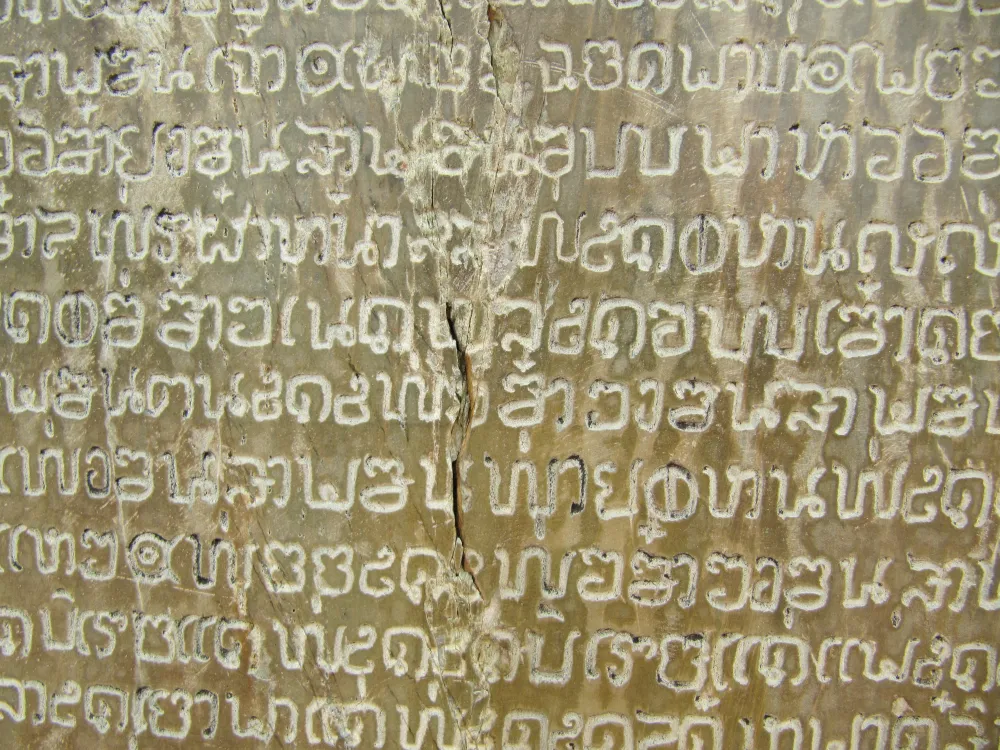
Thain kirjoitusjärjestelmä ja sanan segmentoinnin haaste
Thaita puhuu noin 60 miljoonaa ihmistä Thaimaassa, ja maassa on alueellisia murteita pohjoisessa, koillisessa, keskiosissa ja etelässä. Standardi keskitahi on kirjoitettu ja virallinen muoto, jota käytetään kaikissa asiakirjoissa. Thain kirjoitusjärjestelmä on abugida: konsonantit sisältävät luontaisen vokaaliäänen, jota ympäröivät vokaalisymbolit muokkaavat sen ylä-, ala- tai sivupuolella. Kirjoitus etenee vasemmalta oikealle, mutta toisin kuin eurooppalaisissa kirjoitusjärjestelmissä, sanojen välillä ei ole välilyöntejä. Sanarajat on pääteltävä kontekstista, ja taustalla oleva kielimalli hoitaa tämän tehtävän tunnistamalla yleisiä thain sanastoa ja kielioppimalleja.
Thain kielessä on viisi toonia, ja tavun tooni riippuu kolmesta vuorovaikuttavasta tekijästä: alkukonsonantin luokasta (korkea, keski tai matala), vokaalin pituudesta ja mahdollisesta toonimerkistä. Tämä järjestelmä tarkoittaa, että sama kirjoitettu sekvenssi voi edustaa eri sanoja eri toonikonteksteissa. Käännetyssä PDF-tiedostossa oikea toonitulkinta on sisäänrakennettu käännökseen sen sijaan, että se merkittäisiin erikseen: tuloste käyttää standardia thain oikeinkirjoitusta, jossa jokaisen sanan tooni on implisiittinen sen tavanomaisessa kirjoitusasussa.
Asiakirjat, joita ihmiset kääntävät englannin ja thain välillä
Thaimaa on merkittävä kohde ulkomaisille investoinneille, lääketieteelliselle turismille ja ulkomaalaisille asukkaille, ja kielirajaa ylittävät asiakirjat heijastavat tätä toimintaa:
- Lailliset sopimukset ja liikesopimukset Thaimaassa toimiville yrityksille
- Maahanmuutto- ja viisumiasiakirjat turisteille, ulkomaalaisille ja ulkomailla asuville thaimaalaisille
- Henkilökohtaiset asiakirjat (syntymätodistukset, henkilökortit, talon rekisteröinti) ulkomailla asuville thaimaalaisille
- Sairauskertomukset ulkomaisille potilaille, joita hoidetaan thaimaalaisissa sairaaloissa, ja ulkomailla asuville thaimaalaisille
- Matkailu- ja majoitusasiakirjat, hotellisopimukset ja matkajärjestelyt
- Tekniset käsikirjat ja tuotedokumentaatio Thaimaan markkinoille tuleville tai sieltä poistuville tuotteille
Tekoälykäännös hoitaa lukemisen, sisäisen tarkistuksen ja ensimmäiset luonnokset hyvin. Thaimaan tuomioistuimille tai viranomaisille toimitetut asiakirjat, mukaan lukien viisumihakemuksia varten jätetyt henkilöllisyystodistukset, vaativat yleensä varmennetun käännöksen, jossa ammattilainen vahvistaa, että tulos on tarkka ja täydellinen.
Englannista thai-kielelle PDF-käännösten hinnoittelu
Rekisteröidy ilmaiseksi, maksa asiakirjakohtaisesti ja päivitä tarpeidesi kasvaessa.
Free
Ei tarvitse korttia rekisteröityäksesi
- 0,005 $/sana tekoälykäännös
- 1 $ per sivu skannatuille ja kuvapohjaisille PDF-tiedostoille
- 108 kieltä
- Tiedostot jopa 20 Mt ja 20 sivua
- DOCX, PDF, XLSX, PPTX, IDML, TXT, JPG, PNG ja CSV
- Vain 24 tunnin tiedostojen tallennus
- PDF-editori ja PDF–DOCX-muunnin
Perus
SuosituinLaskutetaan viikoittain · peru milloin tahansa
Laskutetaan kuukausittain
Laskutetaan kerran vuodessa · säästä 33 %
- tekoälykäännöstä sisältyy joka kuukausi
- Sitten 0,005 $/sana tekoälykäännös
- Tiedostot jopa 100 Mt ja 300 sivua
- DOCX, PDF, XLSX, PPTX, IDML, TXT, JPG, PNG ja CSV
- OCR skannatuille asiakirjoille
- Asiakirjojen tallennus
- Prioriteettituki
- 7 päivän ilmainen kokeilu kuukausittaisella tilauksella
- Peruuta milloin tahansa
Pro
Laskutetaan kuukausittain
Laskutetaan kerran vuodessa · säästä 34 %
- tekoälykäännöstä sisältyy joka kuukausi
- Sitten 0,004 $/sana tekoälykäännös
- Tiedostot jopa 1 Gt ja 5 000 sivua
- DOCX, PDF, XLSX, PPTX, IDML, TXT, JPG, PNG ja CSV
- Sanasto
- Prioriteettijono
- 5 tiimin jäsentä
- API-pyynnöt · 1 000 sivua kuukaudessa
- MCP-käyttö tekoälyavustajille
- Peruuta milloin tahansa
Business
Laskutetaan kuukausittain
Laskutetaan kerran vuodessa · säästä 33 %
- tekoälykäännöstä sisältyy joka kuukausi
- Sitten 0,003 $/sana tekoälykäännös
- Tiedostot jopa 1 Gt ja 5 000 sivua
- DOCX, PDF, XLSX, PPTX, IDML, TXT, JPG, PNG ja CSV
- Sanasto
- Prioriteettijono
- 15 tiimin jäsentä
- API-pyynnöt · 5 000 sivua kuukaudessa
- MCP-käyttö tekoälyavustajille
- Peruuta milloin tahansa
Yrityksille
Tarvitsetko enemmän volyymia, laskutusta tai räätälöityä sopimusta? Keskustele kanssamme Enterprise-tilauksesta.
Kuinka kääntää PDF-tiedostosi thai-kielelle
Luo ilmainen tili
Rekisteröidy sähköpostillasi päästäksesi online-käännöspaneeliin.
Lataa PDF-tiedostosi
Vedä ja pudota tiedostosi tai selaa valitaksesi sen. Pro- ja Business-tilaukset tukevat jopa 1 Gt:n tiedostoja.
Valitse thai kohdekieleksi
Valitse PDF-tiedostosi alkuperäinen kieli ja aseta thai kohdekieleksi.
Käännä ja lataa
Napsauta "Käännä" ja odota hetki. Käännetty PDF-tiedostosi on valmis ladattavaksi thai-kirjoitusmerkeillä ja säilytetyllä muotoilulla.
Englannista thai-kielelle PDF-käännösten UKK
Miten DocTranslator käsittelee thain kirjaimistoa ilman välilyöntejä sanojen välillä?
Thain sanojen segmentoinnin hoitaa käännösmalli, joka tunnistaa sanarajat thain sanaston ja kieliopin kielellisen tiedon avulla. Tuloste noudattaa samaa käytäntöä: thainkielinen teksti kirjoitetaan ilman välilyöntejä sanojen välillä, ja rivinvaihdot lisätään sopiviin sanarajoihin.
Renderöityvätkö thain vokaalimerkit (konsonanttien ylä-, ala- ja sivupuolella) oikein?
Kyllä. Thain vokaalit esiintyvät useissa paikoissa suhteessa konsonantteihin. Tuloste käyttää thain kielen kanssa yhteensopivaa fonttia, joka sijoittaa kaikki vokaalimerkit oikein, joten kirjaimisto renderöityy kuten natiivissa thainkielisessä asiakirjassa.
Voinko kääntää thain kielestä englanniksi?
Kyllä. Pari toimii molempiin suuntiin.
Mitä asiakirjoja yritykset kääntävät useimmin englannin ja thain välillä?
Oikeudelliset sopimukset ja yhteisyrityssopimukset thaimaalaisia toimintoja varten; maahanmuutto- ja työlupadokumentit; hotelli- ja matkailusopimukset; lääketieteelliset tiedot ulkomaisille potilaille; ja tekninen dokumentaatio Thaimaan markkinoille tuleville tai sieltä poistuville tavaroille.
Riittääkö tekoälykäännös thaimaalaisille oikeudellisille asiakirjoille, jotka toimitetaan Thaimaan tuomioistuimille?
Lukemista ja sisäistä käyttöä varten, kyllä. Thaimaan tuomioistuimille tai virallisille elimille toimitetut asiakirjat vaativat yleensä varmennetun, tuomioistuimen hyväksymän käännöksen. Katso varmennettu käännös virallisia toimituksia varten.
Kuinka suuren thainkielisen PDF-tiedoston voin ladata?
Jopa 1 Gt tai 5 000 sivua Pro- ja Business-tasoilla, 100 Mt ja 300 sivua Basic-tasolla, ja 20 Mt ja 20 sivua Free-tasolla.
Käsitteleekö DocTranslator thain äänimerkkejä oikein?
Kyllä. Thain äänimerkit koodataan perinteisessä kirjoitusasussa käyttäen konsonanttiluokkia ja äänimerkkejä. Käännöskone tuottaa oikein kirjoitettuja thainkielisiä sanoja, joissa äänitieto on upotettu standardiin oikeinkirjoitukseen.
Käännä PDF-tiedostosi thai-kielelle tänään
DocTranslator muuntaa PDF-tiedostoja englannin ja thain välillä verkossa, hoitaen thain sanan segmentoinnin ja vokaalien sijoittelun automaattisesti, tukien jopa 1 Gt tiedostoja.
Liittyvät työkalut
Käännä PDF kielen mukaan
Asiakirjatyypit
Kumppanimme