
Prevedi PDF v tajščino na spletu
Prevedite PDF-je med angleščino in tajščino. Tajska pisava se piše brez presledkov med besedami, zato prevajalski mehanizem samodejno obravnava segmentacijo besed in izpiše pravilno segmentirano tajsko besedilo z samoglasniškimi znaki, postavljenimi nad, pod in ob soglasnike. Datoteke do 1 GB.
Naložite ali povlecite dokument za prevod
Največja velikost datoteke 1 GB
- OCR za skenirane dokumente in fotografije
- 108 jezikov
- Izvirna postavitev ohranjena
Kaj se zgodi, ko PDF prevedete v ali iz tajščine
Tajska pisava se piše od leve proti desni, kar je enak smer kot angleščina, vendar se oba pisna sistema skoraj takoj po tem razideta. Tajščina ima 44 soglasnikov, razdeljenih v tri razrede (visoki, srednji in nizki), ki medsebojno delujejo s tonskimi znaki, da določijo izgovorjavo vsakega zloga. Samoglasniki niso vedno napisani za soglasnikom, ki ga spreminjajo: odvisno od samoglasnika se lahko pojavi nad, pod, levo ali desno od soglasnika, ki mu pripada. Ta postavitev je del standardne tajske ortografije, vsak izhod, ki napačno postavi samoglasnike, pa bo videti napačen tajskemu bralcu, tudi če so besede sicer pravilne.
Ena najbolj značilnih lastnosti tajščine je, da med besedami ni presledkov. Stavek je neprekinjen niz znakov, bralec pa prepozna, kje se ena beseda konča in naslednja začne, tako da prepozna besedišče in uporabi slovnično znanje. Za prevajalski mehanizem to pomeni, da je treba meje besed sklepati tako pri analizi izvirnega besedila kot pri ustvarjanju tajskega izhoda. Mehanizem, ki se tukaj uporablja, uporablja jezikovno znanje tajskega besedišča in slovnice za pravilno segmentacijo izhoda, pri čemer postavlja prelome vrstic na naravne meje besed, tako da se besedilo bere tekoče kot materni tajski proza.
Tajščina ima tudi pet tonov (srednji, nizki, padajoči, visoki in naraščajoči), ton zloga pa je odvisen od treh dejavnikov: razreda začetnega soglasnika, dolžine samoglasnika in katerega koli tonskega znaka, napisanega nad soglasnikom. To je zelo drugačen sistem od angleščine, ki sploh nima leksikalnih tonov. Za preveden PDF je pravilna tonska interpretacija vgrajena v konvencionalno črkovanje vsake tajske besede, namesto da bi bila posebej označena, zato izhod ne dodaja dodatne notacije poleg standardne tajske ortografije. Tajščina tudi nima slovničnega spola, nima množinskih pregibov in nima glagolske konjugacije za čas, kar poenostavi slovnico v teh pogledih v primerjavi z angleščino, čeprav je pisava bolj zapletena.
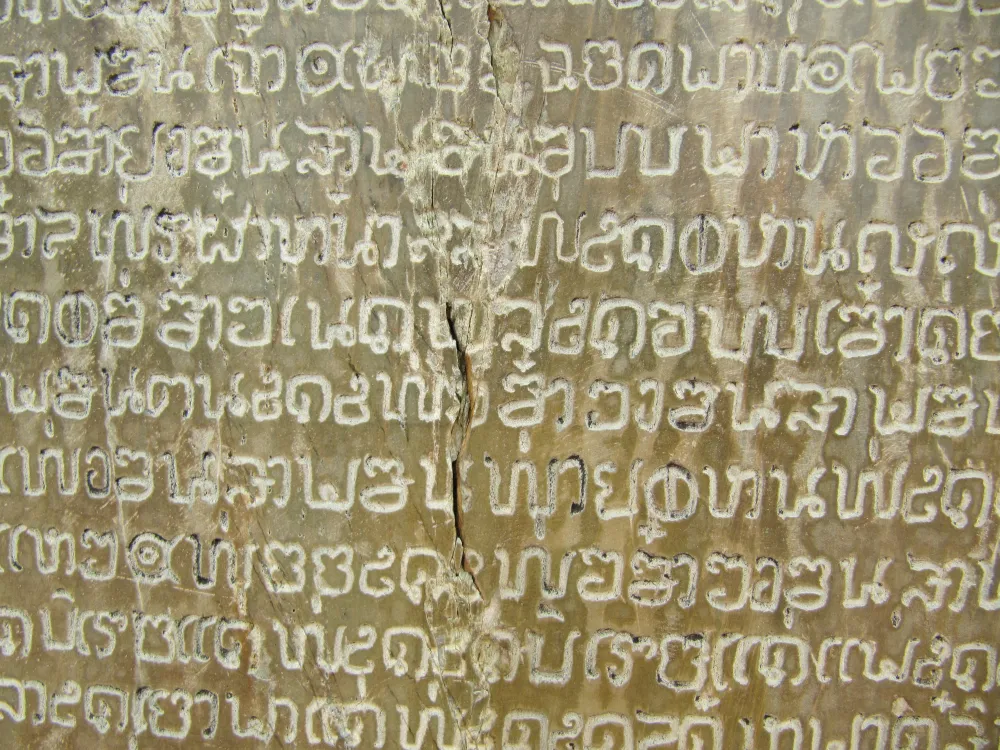
Tajska pisava in izziv segmentacije besed
Tajščino govori približno 60 milijonov ljudi na Tajskem, z regionalnimi narečji na severu, severovzhodu, v osrednjem delu in na jugu države. Standardna osrednja tajščina je pisna in uradna oblika, ki se uporablja v vseh dokumentih. Tajska pisava je abugida: soglasniki nosijo inherentni samoglasniški zvok, ki ga spreminjajo okoliški samoglasniški simboli, ki se pojavljajo nad, pod ali ob soglasniku. Pisava poteka od leve proti desni, vendar za razliko od evropskih pisav med besedami ni presledkov. Meje besed je treba sklepati iz konteksta, kar je naloga, ki jo osnovni jezikovni model obravnava z prepoznavanjem običajnih tajskih besedišč in slovničnih vzorcev.
Tajščina ima pet tonov, ton zloga pa je odvisen od treh medsebojno delujočih dejavnikov: razreda začetnega soglasnika (visok, srednji ali nizek), dolžine samoglasnika in morebitnega prisotnega tonskega znaka. Ta sistem pomeni, da lahko ista pisna zaporedja predstavljajo različne besede v različnih tonskih kontekstih. Za preveden PDF je pravilna tonska interpretacija vgrajena v prevod, namesto da bi bila ločeno označena: izhod uporablja standardno tajsko ortografijo, kjer je ton vsake besede implicitno v njeni konvencionalni pisavi.
Dokumenti, ki jih ljudje prevajajo med angleščino in tajščino
Tajska je pomembna destinacija za tuje naložbe, medicinski turizem in izseljenske prebivalce, dokumenti, ki prečkajo jezikovno mejo, pa odražajo to dejavnost:
- Pravne pogodbe in poslovni sporazumi za podjetja, ki poslujejo na Tajskem
- Imigracijski in vizumski dokumenti za turiste, izseljence in tajske državljane v tujini
- Osebni dokumenti (rojstni listi, osebne izkaznice, hišne registracije) za Tajce v tujini
- Zdravstveni kartoni za tuje bolnike, zdravljene v tajskih bolnišnicah, in za Tajce v tujini
- Dokumenti za turizem in gostinstvo, hotelske pogodbe in potovalni sporazumi
- Tehnični priročniki in dokumentacija o izdelkih za blago, ki vstopa ali zapušča tajski trg
Prevod z umetno inteligenco dobro obvlada branje, notranji pregled in prve osnutke. Dokumenti, predloženi tajskim sodiščem ali vladnim organom, vključno z osebnimi statusnimi potrdili, vloženimi za vlogo za vizum, običajno zahtevajo overjen prevod, s katerim strokovnjak potrdi, da je izhod točen in popoln.
Cene prevajanja PDF-jev iz angleščine v tajščino
Brezplačno se prijavite, plačajte na dokument in nadgradite, ko vaše potrebe po prevajanju rastejo.
Free
Za prijavo ni potrebna kartica
- 0,005 $/besedo prevajanje z umetno inteligenco
- 1 $ na stran za skenirane dokumente in PDF-je s slikami
- 108 jezikov
- Datoteke do 20 MB in 20 strani
- DOCX, PDF, XLSX, PPTX, IDML, TXT, JPG, PNG in CSV
- Samo 24-urno shranjevanje datotek
- Urejevalnik PDF in pretvornik PDF v DOCX
Osnovni
Najbolj priljubljenObračunano vsak teden · prekličete lahko kadar koli
Obračunano mesečno
Obračunano enkrat letno · prihranite 33 %
- AI prevodov vključenih vsak mesec
- Nato 0,005 $/besedo AI prevod
- Datoteke do 100 MB in 300 strani
- DOCX, PDF, XLSX, PPTX, IDML, TXT, JPG, PNG in CSV
- OCR za skenirane dokumente
- Shranjevanje dokumentov
- Prednostna podpora
- 7-dnevna brezplačna preizkusna različica pri mesečnem načrtu
- Prekličite kadar koli
Pro
Obračunano mesečno
Obračunano enkrat letno · prihranite 34 %
- AI prevodov vključenih vsak mesec
- Nato 0,004 $/besedo AI prevod
- Datoteke do 1 GB in 5.000 strani
- DOCX, PDF, XLSX, PPTX, IDML, TXT, JPG, PNG in CSV
- Slovarček
- Prednostna čakalna vrsta
- 5 sedežev za ekipo
- API zahteve · 1.000 strani na mesec
- Dostop MCP za pomočnike AI
- Prekličite kadar koli
Poslovni
Obračunano mesečno
Obračunano enkrat letno · prihranite 33 %
- AI prevodov vključenih vsak mesec
- Nato 0,003 $/besedo AI prevod
- Datoteke do 1 GB in 5.000 strani
- DOCX, PDF, XLSX, PPTX, IDML, TXT, JPG, PNG in CSV
- Slovarček
- Prednostna čakalna vrsta
- 15 sedežev za ekipo
- API zahteve · 5.000 strani na mesec
- Dostop MCP za pomočnike AI
- Prekličite kadar koli
Podjetja
Potrebujete večjo količino, fakturiranje ali dogovor po meri? Pogovorite se z nami o načrtu Enterprise.
Kako prevesti svoj PDF v tajščino
Ustvari brezplačen račun
Prijavite se s svojim e-poštnim naslovom za dostop do spletne nadzorne plošče za prevajanje.
Naloži svojo PDF datoteko
Povlecite in spustite svojo datoteko ali brskajte, da jo izberete. Datoteke do 1 GB so podprte v načrtih Pro in Business.
Izberite tajščino kot ciljni jezik
Izberite izvirni jezik svojega PDF-ja in kot ciljni jezik nastavite tajščino.
Prevedi in prenesi
Kliknite "Prevedi" in počakajte nekaj trenutkov. Vaš prevedeni PDF bo pripravljen za prenos s tajsko pisavo in ohranjeno obliko.
Pogosta vprašanja o prevajanju PDF-jev iz angleščine v tajščino
Kako DocTranslator obravnava tajsko pisavo brez presledkov med besedami?
Segmentacijo tajskih besed obravnava prevodni model, ki prepozna meje besed z jezikovnim znanjem tajskega besedišča in slovnice. Izhod sledi isti konvenciji: tajsko besedilo se piše brez presledkov med besedami, z vstavljenimi prelomi vrstic na ustreznih mejah besed.
Ali se bodo tajski samoglasniški simboli (nad, pod in ob soglasnikih) pravilno izrisali?
Da. Tajski samoglasniki se pojavljajo na več položajih glede na soglasnike. Izhod uporablja pisavo, združljivo s tajščino, ki pravilno postavi vse samoglasniške oznake, tako da se pisava izriše, kot bi se v domačem tajskem dokumentu.
Ali lahko prevajam iz tajščine v angleščino?
Da. Par deluje v obeh smereh.
Katere dokumente podjetja najpogosteje prevajajo med angleščino in tajščino?
Pravne pogodbe in sporazumi o skupnih vlaganjih za poslovanje na Tajskem; dokumenti za priseljevanje in delovna dovoljenja; pogodbe za hotele in turizem; zdravstveni kartoteki za tuje paciente; in tehnična dokumentacija za blago, ki vstopa ali zapušča tajski trg.
Ali je prevajanje s pomočjo umetne inteligence dovolj za tajske pravne dokumente, predložene tajskim sodiščem?
Za branje in notranjo uporabo, da. Dokumenti, predloženi tajskim sodiščem ali uradnim organom, običajno zahtevajo overjen, sodno odobren prevod. Glejte overjen prevod za uradne predložitve.
Kako velik tajski dokument PDF lahko naložim?
Do 1 GB ali 5.000 strani v načrtih Pro in Business, 100 MB in 300 strani v načrtu Basic ter 20 MB in 20 strani v načrtu Free.
Ali DocTranslator pravilno obravnava tajske tonske znake?
Da. Tajski toni so kodirani v konvencionalnem črkovanju z uporabo soglasniških razredov in tonskih znakov. Prevodni mehanizem ustvarja pravilno črkovane tajske besede, kjer so tonske informacije vgrajene v standardno ortografijo.
Danes prevedite svoj PDF v tajščino
DocTranslator pretvori PDF-je med angleščino in tajščino na spletu, samodejno obvlada segmentacijo tajskih besed in pozicioniranje samoglasnikov, s podporo za datoteke do 1 GB.
Sorodna orodja
Prevedi PDF po jeziku
Vrste dokumentov
Naši partnerji