
Tõlgige PDF tai keelde veebis
Tõlgige PDF-e inglise ja tai keele vahel. Tai kiri kirjutatakse ilma tühikuteta sõnade vahel, seega töötleb tõlkemootor sõnade segmentimist automaatselt ja väljastab õigesti segmenteeritud tai teksti, kus täishäälikumärgid on paigutatud konsonantide kohale, alla ja kõrvale. Failid kuni 1 GB.
Laadi üles või lohista dokument tõlkimiseks
Max. faili suurus 1 GB
- Skannide ja fotode OCR
- 108 keelt
- Algne paigutus säilitatud
Mis juhtub, kui tõlgite PDF-i tai keelde või tai keelest
Tai kiri jookseb vasakult paremale, mis on sama suund kui inglise keel, kuid kaks kirjasüsteemi erinevad peaaegu kohe pärast seda. Tai keeles on 44 konsonanti, mis on jagatud kolme klassi (kõrge, keskmine ja madal), mis interakteeruvad toonimärkidega iga silbi häälduse määramiseks. Täishäälikud ei ole alati kirjutatud nende poolt muudetud konsonandi järel: sõltuvalt täishäälikust võib see ilmuda konsonandi kohale, alla, vasakule või paremale. See paigutus on osa standardist tai õigekirjast ja mis tahes väljund, mis paigutab täishäälikud valesti, näeb tai lugejale vale välja, isegi kui sõnad on muidu õiged.
Üks tai keele kõige eristuvamaid omadusi on see, et sõnade vahel pole tühikuid. Lause on pidev tähemärkide jada ja lugeja tuvastab, kus üks sõna lõpeb ja järgmine algab, sõnavara ära tundes ja grammatilisi teadmisi rakendades. Tõlkemootori jaoks tähendab see, et sõnapiire tuleb järeldada nii lähteteksti analüüsimisel kui ka tai väljundi loomisel. Siin kasutatav mootor rakendab tai sõnavara ja grammatika lingvistilisi teadmisi, et väljundit õigesti segmenteerida, paigutades reamurded loomulike sõnapiiride järgi, nii et tekst loeb sujuvalt nagu emakeelne tai proosa.
Tai keeles on ka viis tooni (keskmine, madal, langev, kõrge ja tõusev) ning silbi toon sõltub kolmest interakteeruvast tegurist: algkonsonandi klass, täishääliku pikkus ja mis tahes konsonandi kohale kirjutatud toonimärk. See on inglise keelest väga erinev süsteem, millel pole üldse leksikaalseid toone. Tõlgitud PDF-i jaoks on õige tonaalne tõlgendus sisestatud iga tai sõna tavapärasesse õigekirja, mitte märgitud eraldi, nii et väljund ei lisa standardsele tai õigekirjale täiendavat tähistust. Tai keeles puudub ka grammatiline sugu, mitmuse pöörded ja ajavormi verbikonjugatsioon, mis muudab grammatika nendes osades inglise keelest lihtsamaks, isegi kui kiri on keerulisem.
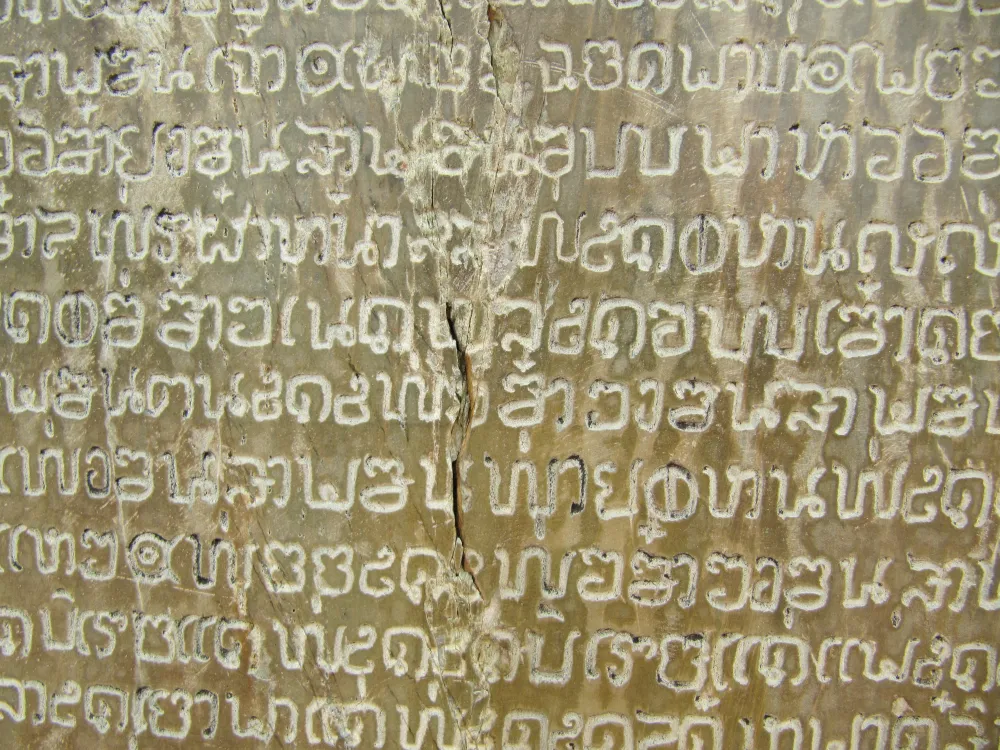
Tai kiri ja sõnade eraldamise väljakutse
Tai keelt räägib umbes 60 miljonit inimest Tais, piirkondlike dialektidega riigi põhja-, kirde-, kesk- ja lõunaosas. Standardne kesk-tai keel on kirjalik ja ametlik vorm, mida kasutatakse kõigis dokumentides. Tai kiri on abugida: kaashäälikud kannavad sisseehitatud täishääliku heli, mida muudavad ümbritsevad täishääliku sümbolid, mis ilmuvad kaashääliku kohal, all või kõrval. Kiri kulgeb vasakult paremale, kuid erinevalt Euroopa kirjadest pole sõnade vahel tühikuid. Sõnapiirid tuleb järeldada kontekstist, mis on ülesanne, mida aluseks olev keelemudel täidab, tuvastades levinud tai sõnavara ja grammatikavorme.
Tais on viis tooni ja silbi toon sõltub kolmest vastastikku mõjust tegurist: algkaashääliku klass (kõrge, keskmine või madal), täishääliku pikkus ja olemasolev toonimärk. See süsteem tähendab, et sama kirjalik järjestus võib erinevates toonikontekstides esindada erinevaid sõnu. Tõlgitud PDF-i jaoks on õige tonaalne tõlgendus sisseehitatud tõlkesse, mitte eraldi märgitud: väljund kasutab standardset tai õigekirja, kus iga sõna toon on selle tavapärases õigekirjas implitsiitne.
Dokumendid, mida inimesed tõlgivad inglise ja tai keele vahel
Tai on oluline sihtkoht välisinvesteeringute, meditsiiniturismi ja välismaalaste elanike jaoks ning keelepiiri ületavad dokumendid peegeldavad seda tegevust:
- Juriidilised lepingud ja ärilepingud Tais tegutsevatele ettevõtetele
- Immigratsiooni- ja viisadokumendid turistidele, välismaalastele ja välismaal viibivatele Tai kodanikele
- Isiklikud dokumendid (sünnitunnistused, isikutunnistused, elamuload) välismaal viibivatele tai inimestele
- Meditsiinilised dokumendid Tai haiglates ravil käinud välispatsientidele ja välismaal viibivatele tai inimestele
- Turismi- ja külalislahkuse dokumendid, hotellilepingud ja reisilepingud
- Tehnilised käsiraamatud ja tooteteave Tai turule sisenevate või sealt väljuvate kaupade kohta
AI-tõlge saab lugemise, sisekontrolli ja esmaste kavanditega hästi hakkama. Tai kohtutele või valitsusasutustele esitatud dokumendid, sealhulgas viisataotluste jaoks esitatud isikliku seisundi sertifikaadid, nõuavad üldiselt sertifitseeritud tõlget koos professionaaliga, kes kinnitab, et väljund on täpne ja täielik.
Inglise keelest tai keelde PDF-tõlke hinnakiri
Registreeruge tasuta, makske dokumendi eest ja uuendage vastavalt oma tõlkevajadustele.
Free
Kaardiandmeid pole registreerumiseks vaja
- 0,005 $ / sõna tehisintellekti tõlge
- 1 $ lehekülje eest skannitud ja pildiga PDF-ide puhul
- 108 keelt
- Failid kuni 20 MB ja 20 lehekülge
- DOCX, PDF, XLSX, PPTX, IDML, TXT, JPG, PNG ja CSV
- Ainult 24-tunnine failide salvestusruum
- PDF-redaktor ja PDF-failide teisendaja DOCX-vormingusse
Põhi
Kõige populaarsemArveldatakse igal nädalal · tühistamine igal ajal
Arveldatakse kord kuus
Arveldatakse kord aastas · säästate 33%
- AI-tõlge iga kuu
- Seejärel 0,005 $/sõna AI-tõlge
- Failid kuni 100 MB ja 300 lehekülge
- DOCX, PDF, XLSX, PPTX, IDML, TXT, JPG, PNG ja CSV
- OCR skannitud dokumentidele
- Dokumendi salvestusruum
- Prioriteetne tugi
- 7-päevane tasuta prooviversioon igakuise paketiga
- Tühista igal ajal
Pro
Arveldatakse kord kuus
Arveldatakse kord aastas · säästate 34%
- AI-tõlge iga kuu
- Seejärel 0,004 $/sõna AI-tõlge
- Failid kuni 1 GB ja 5000 lehekülge
- DOCX, PDF, XLSX, PPTX, IDML, TXT, JPG, PNG ja CSV
- Sõnastik
- Prioriteetne järjekord
- 5 meeskonnaliiget
- API-päringud · 1000 lehekülge kuus
- MCP juurdepääs AI assistentidele
- Tühista igal ajal
Äri
Arveldatakse kord kuus
Arveldatakse kord aastas · säästate 33%
- AI-tõlge iga kuu
- Seejärel 0,003 $/sõna AI-tõlge
- Failid kuni 1 GB ja 5000 lehekülge
- DOCX, PDF, XLSX, PPTX, IDML, TXT, JPG, PNG ja CSV
- Sõnastik
- Prioriteetne järjekord
- 15 meeskonnaliiget
- API-päringud · 5000 lehekülge kuus
- MCP juurdepääs AI assistentidele
- Tühista igal ajal
Ettevõtetele
Vajate rohkem mahtu, arveldamist või kohandatud lepingut? Rääkige meiega Enterprise paketist.
Kuidas oma PDF-i tai keelde tõlkida
Loo tasuta konto
Registreeru oma e-posti aadressiga, et pääseda juurde veebipõhisele tõlkepaneelile.
Laadige üles oma PDF-fail
Lohistage ja kukutage oma fail või sirvige, et see valida. Pro ja Äri paketiga toetatakse faile kuni 1 GB.
Valige sihtkeeleks tai keel
Valige oma PDF-i algne keel ja määrake sihtkeeleks tai keel.
Tõlgi ja laadi alla
Klõpsake „Tõlgi“ ja oodake mõni hetk. Teie tõlgitud PDF on valmis allalaadimiseks tai kirja ja vorminguga.
Inglise keelest tai keelde PDF-tõlke KKK
Kuidas DocTranslator käsitleb tai kirja ilma tühikuteta sõnade vahel?
Tai sõnade segmentimist haldab tõlkemudel, mis tuvastab sõnapiire, kasutades tai sõnavara ja grammatika lingvistilist tundmist. Väljund järgib sama konventsiooni: tai tekst kirjutatakse ilma tühikuteta sõnade vahel, reamurded lisatakse sobivatesse sõnapiiridesse.
Kas tai vokaalsümbolid (konsonantide kohal, all ja kõrval) renderduvad õigesti?
Jah. Tai vokaalid ilmuvad mitmes asendis konsonantide suhtes. Väljund kasutab tai-ühilduvat fonti, mis paigutab kõik vokaalimärgid õigesti, nii et kiri renderdub nii, nagu see oleks emakeelses tai dokumendis.
Kas ma saan tõlkida tai keelest inglise keelde?
Jah. Paar töötab mõlemas suunas.
Milliseid dokumente ettevõtted kõige sagedamini inglise ja tai keele vahel tõlgivad?
Tai tegevustega seotud juriidilised lepingud ja ühisettevõtete lepingud; immigratsiooni- ja töölubade dokumendid; hotelli- ja turismilepingud; välispatsientide meditsiinilised dokumendid; ja tehniline dokumentatsioon Tai turule sisenevate või sealt väljuvate kaupade kohta.
Kas AI-tõlge on piisav Tai kohtutele esitatavate Tai juriidiliste dokumentide jaoks?
Lugemiseks ja sisekasutuseks jah. Tai kohtutele või ametiasutustele esitatud dokumendid nõuavad tavaliselt sertifitseeritud, kohtu poolt heaks kiidetud tõlget. Ametlike esitamiste jaoks vt sertifitseeritud tõlge.
Kui suurt Tai PDF-faili ma saan üles laadida?
Kuni 1 GB või 5000 lehekülge Pro ja Business plaanidel, 100 MB ja 300 lehekülge Basic plaanil ning 20 MB ja 20 lehekülge Free plaanil.
Kas DocTranslator käsitleb Tai toonimärke õigesti?
Jah. Tai toonid on kodeeritud tavapärasesse õigekirja, kasutades konsonantklasse ja toonimärke. Tõlkemootor loob õigesti kirjutatud tai sõnad, kus tooniteave on sisestatud standardortograafiasse.
Tõlgige oma PDF tai keelde juba täna
DocTranslator teisendab PDF-e inglise ja tai keele vahel veebis, töödeldes automaatselt tai sõnade eraldamist ja täishäälikute paigutust, toetades kuni 1 GB suuruseid faile.
Seotud tööriistad
Tõlgi PDF keele järgi
Dokumenditüübid
Meie partnerid