For researchers and universities

Research Papers, Translated

Read an article published in another language, send a draft to co-authors abroad or translate a scanned archive. 108 languages, with the layout kept.

  • OCR for scans and photos
  • 108 languages
  • Original layout kept
  1. Fig. 1 check the axis labels
  2. Eq. (1) compare the symbols
  3. [1]-[4] keep original titles

§ 1Scope

What Researchers and Universities Translate

Academic documents are rarely plain text. They have two-column layouts, figures, tables, equations, footnotes and a reference list, and they are often long. DocTranslator works on the file itself, so a translated paper comes back as the same kind of file, with its pages, headings and tables where they were, not as a block of text to rebuild by hand.

Read

Articles you need to read

Work in many fields is still published in Chinese, Japanese, German, Russian, Spanish or Portuguese. Translating the PDF lets you judge whether a paper belongs in your literature review before you ask a colleague to read it closely.

Share

Drafts for co-authors and supervisors

A manuscript, an abstract or a chapter in a language your co-author or supervisor reads more easily, so the discussion is about the science and not the wording.

Long form

Theses and dissertations

Long documents, often a few hundred pages. Basic takes one file of up to 300 pages, and Pro and Business up to 5,000, so a thesis goes up as one file instead of chapter by chapter.

Present

Slides, posters and handouts

Conference decks as PPTX, posters exported to PDF, and course materials such as syllabi and reading lists for international students.

Fund

Grant and project documents

Proposals, reports and consortium paperwork written in Word, where partners in several countries need the same text.

Archive

Scanned archives and back issues

Back issues of journals, letters and records that exist only as scans. These go through OCR first, which the next sections cover.

§ 2Example

A Report Page, Before and After

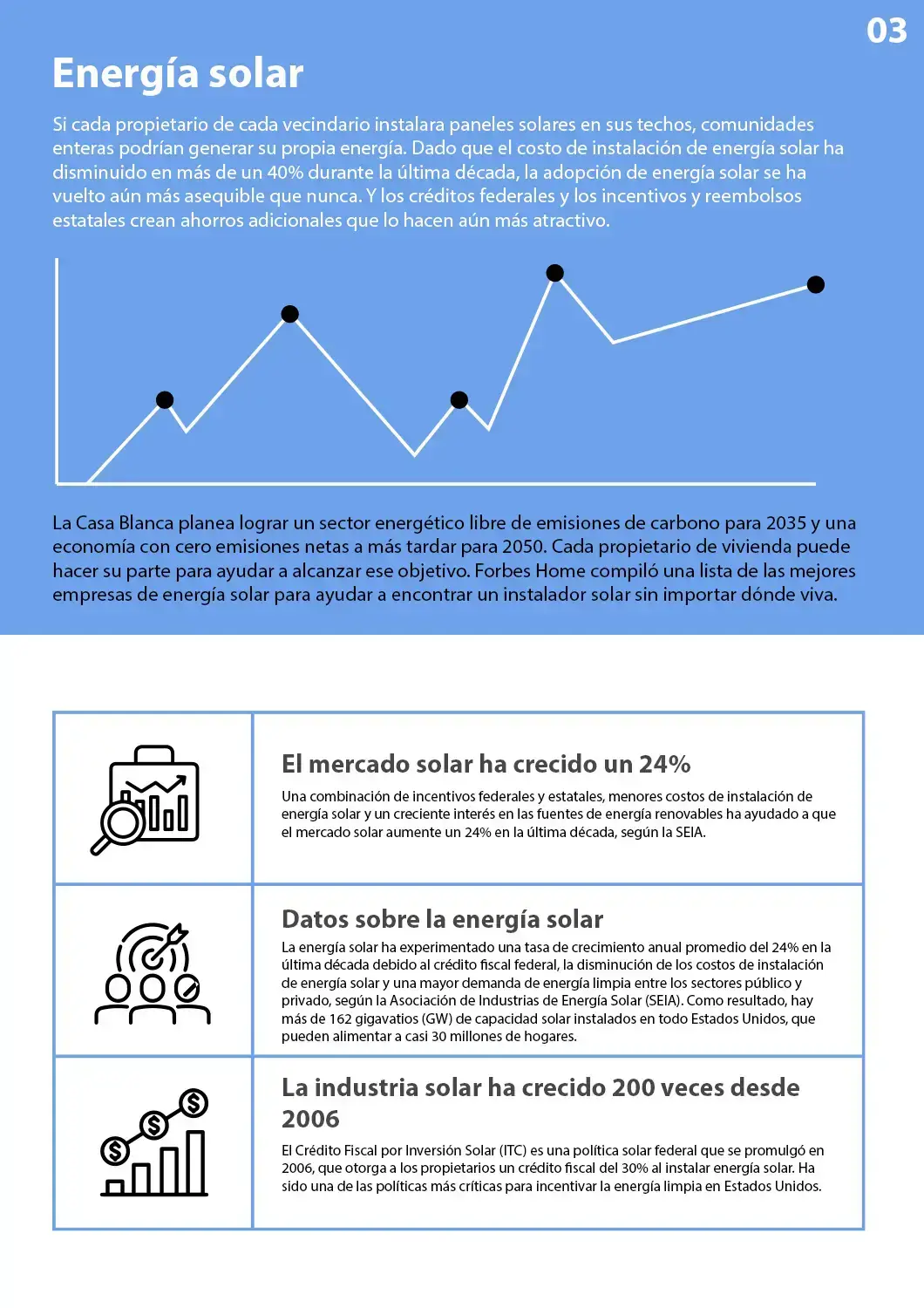
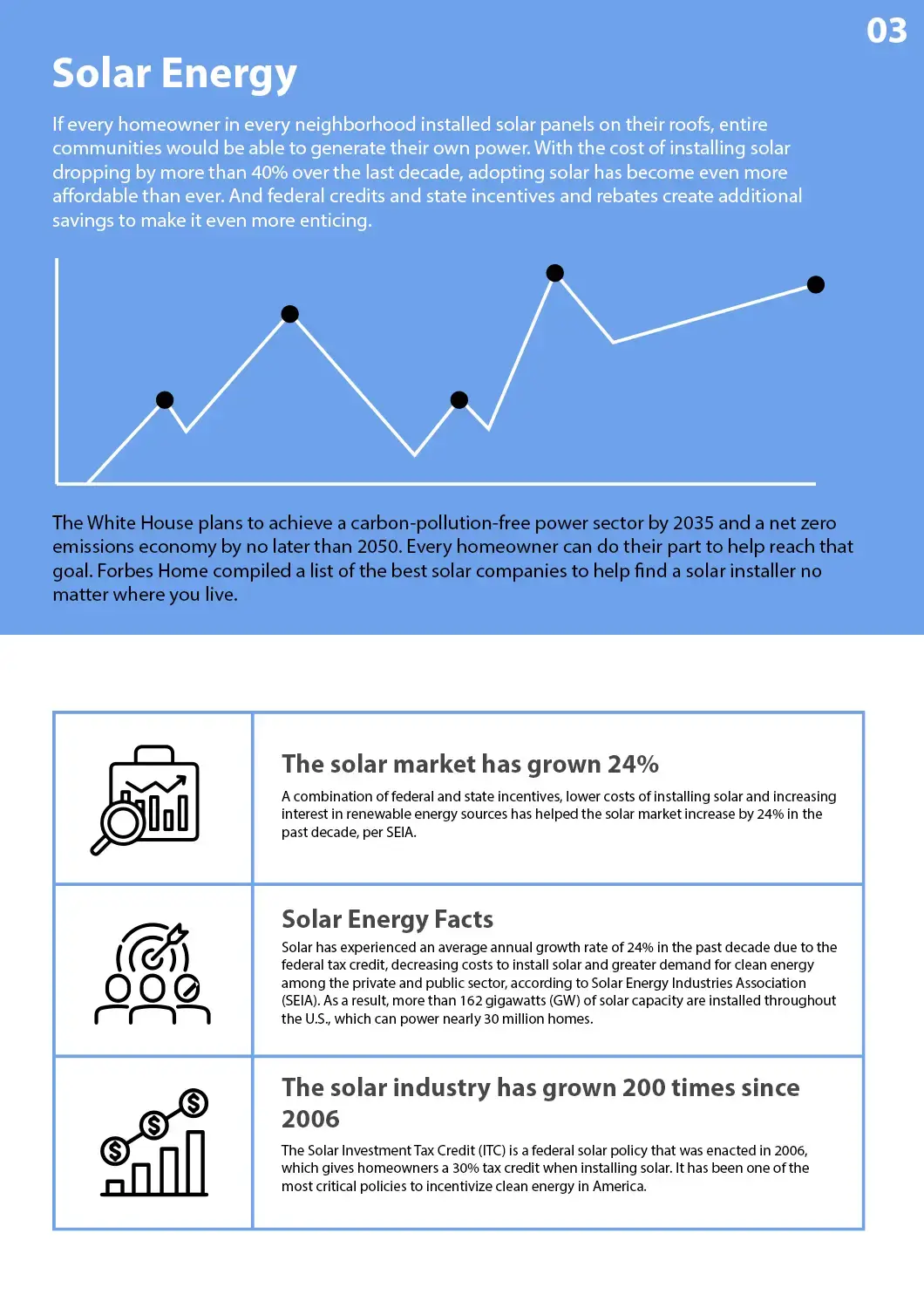
This is a page from a report, translated from English into Spanish with DocTranslator. It has what many academic pages have: a chart, a table and statements attributed to a source. The chart and the three table rows stay in place, the figures (24%, 162 GW, 2006) are unchanged, and the source, the Solar Energy Industries Association (SEIA), keeps its name.

Original English report page with a line chart and a three-row table about solar energy
Fig. 2aOriginal, English
The same report page translated into Spanish, with the chart and table in the same positions
Fig. 2bTranslated, Spanish
  • ChartSame position and size on the page.
  • TableThree rows, each with its icon, in the original order.
  • Figures24%, 162 GW and 2006 are untouched.
  • SourceThe Solar Energy Industries Association (SEIA) keeps its name.
  • More pairs are on the translation examples page.

§ 3Checklist

What to Check in a Translated Paper

A machine translation of a paper is a working draft. It is good enough to read, search and discuss, and it saves the hours of a first pass. Before you quote it or build on it, go through these points against the source.

Referee report Translated draft, five comments
C1

Terminology

Many technical terms also have an everyday meaning, and the everyday one is sometimes what comes out. Read the key terms of your field first. If you translate a lot of papers in one discipline, the glossary on Pro and Business lets you fix how chosen terms are translated, so the same term reads the same way in every document.

C2

Equations and symbols

Mathematical notation is not language and should come back as it went in. Compare every equation with the original anyway, and take extra care with scans, where OCR can misread subscripts, primes and Greek letters.

C3

Figures

Axis labels and legends are sometimes part of a picture rather than text in the PDF. Check whether each figure's labels came across, and keep the original figure next to the translation when the labels matter.

C4

The reference list

Citation styles generally keep the title of a cited work in its original language. APA, for example, gives the original title followed by an English translation in square brackets. Compare the translated bibliography with the source and restore original titles where your style asks for them.

C5

Before you submit anything

Journals expect a manuscript that an author fluent in the language has checked. Many publishers also ask authors to disclose AI tools used in preparing a manuscript, so read the journal's policy before you send a translated draft.

§ 4Scans

Scanned Archives and Older Publications

Reads well

Printed, flat, about 300 dpi

Clean print with good contrast is the easy case for OCR.

Check closely

Faded ink, stamps, Fraktur

Older print and marks over the text are harder to read reliably.

Check line by line

Handwriting, mixed scripts

Handwritten notes and pages that mix scripts need a careful read.

A scan is a picture of a page, so before anything can be translated, OCR has to read the text out of the image. How well that goes depends mostly on the scan. Printed text scanned flat at around 300 dpi with good contrast reads well. Handwriting, faded ink, stamps over text, old typefaces such as Fraktur and pages that mix scripts are harder, and they are worth checking line by line.

The scanned document translator page covers scans in more detail, and the page on our AI translation engine explains how it rebuilds a scanned page. On the Free plan a PDF page is never charged less than $1, so a long scanned archive costs less on a subscription.

§ 5Cost

File Size and Cost for Long Documents

Signing up is free and needs no card. After you upload a paper you see its price before you pay and, where a preview is available for your language pair, its first page already translated.

Table 1.Plans for long documents

PlanLargest fileIncluded every 30 daysAfter that
Free20 MB or 20 pagesNothing, you pay per document$0.005 per word
Basic, $4.99 a month100 MB or 300 pages1,000 pages$0.005 per word
Pro, $19.99 a month1 GB or 5,000 pages5,000 pages$0.004 per word
Business, $49.99 a month1 GB or 5,000 pages5,000 pages$0.003 per word

On Free, a PDF costs whichever is higher: its words at $0.005 each or its pages at $1 each, and never less than $0.99. A 20-page article of about 8,000 words therefore comes to $40. If you read several articles a month, Basic at $4.99 a month includes up to 1,000 pages, and its monthly plan starts with a 7-day free trial for up to 30,000 words. Plans and yearly prices are on the pricing page.

§ 6Method

How to Translate a Research Paper

  1. Create a free account

    Sign up with your name, email address and a password. No card is needed for the Free plan.

  2. Upload the paper

    PDF, DOCX, DOC, PPTX, EPUB, HTML or TXT, or a scan as PDF, JPG or PNG. Export LaTeX sources to PDF or DOCX first, since .tex files are not accepted.

  3. Choose the languages

    Pick the language of the paper and the one you want, then check the price and, where available, the translated first page.

  4. Translate and download

    Pay for the document or use the pages in your plan, then download the translated file and check it against the source.

§ 7Institutions

For Departments, Libraries and International Offices

Research groups

Pro and Business add team accounts and the glossary, so a research group can share one subscription and one list of fixed terms. For larger volumes or a custom agreement, talk to our sales team.

Unpublished work

Unpublished work deserves care. On the Free plan, uploaded files and their translations are removed within 24 hours. On a subscription they are kept while the plan is active. The privacy policy describes how files are handled.

Certified copies

Admissions offices and credential evaluators usually ask for a certified translation of transcripts and diplomas, and AI output is not certified. For those, see transcript translation, diploma translation and certified translation.

Research paper translation

Frequently Asked Questions

Can I translate a research paper for free?

Signing up, uploading the paper and seeing its price are free, and where a preview is available for your language pair you also see the first page translated before you pay. The full translation is paid: per document on the Free plan, or included in a subscription. The monthly Basic plan starts with a 7-day free trial that covers up to 30,000 words.

Which formats work for academic documents?

PDF, Word (DOCX and DOC), PowerPoint, Excel, EPUB, HTML, TXT and CSV, plus scans as PDF, JPG or PNG. LaTeX source files are not accepted, so compile the paper to PDF or export it to Word before you upload it.

How long can a thesis be?

On Basic one file can be up to 100 MB or 300 pages, and on Pro and Business up to 1 GB or 5,000 pages, which covers a full dissertation with its appendices in one upload. The Free plan is meant for short documents of up to 20 MB or 20 pages.

Are equations, citations and references translated correctly?

Equations should come back unchanged, but compare them with the source, above all on scans, where OCR can misread symbols. Check the names of authors and organisations as well; in the report example on this page, SEIA keeps its name. In the reference list, titles of cited works are normally kept in their original language by citation styles, so check the translated list against your style guide.

Can I submit a translated paper to a journal?

Use the translation as a draft. Have an author who is fluent in the target language revise it, and check the journal policy on disclosing AI tools, which many publishers now require.

Is the translation certified for admissions or visas?

No. AI translation is not a certified translation. Transcripts, diplomas and documents for immigration offices usually need a translator to sign a certificate of accuracy, which our certified translation service provides.

Your next paper, translated

Create a free account, upload the PDF and see the price and the first page before you pay.

Our Partners

Accenture
Bloomberg
Citrix
P&G
SAP